
How to Relieve a Blocked Nose Fast
A blocked nose feels simple, but the cause matters. Swollen blood vessels, thick mucus, dry air, allergies, or infection all block airflow in different ways. The smartest relief combines fast-acting methods with safe longer-term solutions, without creating dependency.
Below is a clear, medically grounded, step-by-step guide you can use immediately.
Quickest Relief (Works Within Minutes)
1. Topical Decongestant Sprays (Fastest Option)
Sprays containing oxymetazoline or xylometazoline work by shrinking swollen blood vessels inside the nose. Relief often comes in 5–10 minutes.
Best use cases
- Severe blockage
- Before sleep
- During flights or important meetings
⚠️ Critical warning
- Use no more than 2–3 days
- Overuse causes rebound congestion (rhinitis medicamentosa), where the nose becomes more blocked than before
Use these as an emergency tool, not a daily habit.
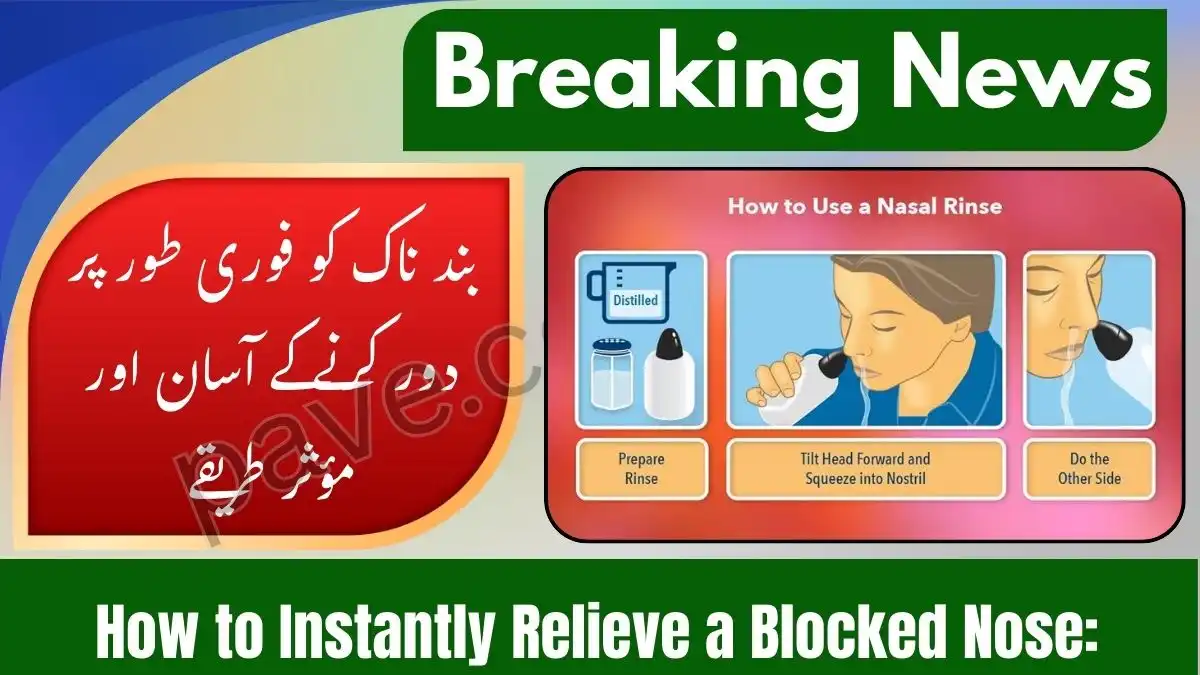
2. Nasal Irrigation (Neti Pot or Saline Rinse)
Flushing the nose with saline physically removes:
- Thick mucus
- Dust and allergens
- Irritants and germs
Why it works
It doesn’t rely on medication. It clears the blockage mechanically.
Safety rule
- Always use distilled, sterile, or previously boiled water
- Never use tap water directly
Relief is often immediate, especially for sinus pressure.
3. The “30-Second” Acupressure Technique
This technique may help stimulate sinus drainage.
How to do it
- Press your tongue firmly against the roof of your mouth
- Place your thumb between your eyebrows
- Apply steady pressure for 20 seconds
While evidence is limited, many people feel temporary relief due to nerve and pressure changes.

Natural & Home Remedies (Safe and Repeatable)
Steam Inhalation
Warm, moist air thins mucus and improves airflow.
How
- Hot shower or bowl of hot water
- Towel over head
- Breathe deeply for 5–10 minutes
Adding eucalyptus oil can enhance the sensation of openness.
Warm Compress
Heat improves circulation and reduces sinus inflammation.
- Place a warm, damp cloth over:
- Nose
- Cheeks
- Forehead
- Use for 10–15 minutes
Especially helpful for sinus pressure headaches.
Hydration (Often Overlooked)
Dehydration thickens mucus.
Best options:
- Water
- Herbal teas
- Clear soups
Avoid excessive caffeine and alcohol, which dry nasal tissues.
Spicy Foods
Horseradish, wasabi, and chili peppers trigger temporary nasal drainage.
This doesn’t cure congestion, but it can flush passages briefly, giving short-term relief.

Nighttime Relief (For Better Sleep)
Elevate Your Head
Lying flat increases blood flow to nasal tissues.
- Use an extra pillow
- Keep head above chest level
This reduces overnight congestion.
Humidifier
Dry air irritates nasal lining and hardens mucus.
- Use a cool-mist humidifier
- Clean it daily to prevent mold
Especially effective in winter or air-conditioned rooms.
Nasal Strips
These adhesive strips pull nostrils open from the outside.
- Improve airflow
- Drug-free
- Safe for nightly use
Great for sleep-related congestion or snoring.

Medical Options (For Ongoing or Allergy-Related Blockage)
Steroid Nasal Sprays
Examples include fluticasone.
Why doctors recommend them
- Reduce inflammation at the root cause
- Safe for long-term use
- Best for allergies and chronic congestion
⏳ Timing
- Start working in 12–24 hours
- Full effect in 3–5 days
These are prevention tools, not instant fixes.
Oral Decongestants
Medications containing pseudoephedrine reduce congestion systemically.
Pros
- Effective
- Long-lasting
Cons
- Can cause:
- Jitteriness
- Increased heart rate
- Insomnia
- Not suitable for people with high blood pressure unless approved by a doctor
⚠️ Important update
Medical guidelines now agree that phenylephrine is largely ineffective. Pseudoephedrine (usually behind the pharmacy counter) is the option that actually works.

When to See a Doctor
Seek medical advice if:
- Congestion lasts more than 10 days
- You have facial pain or fever
- Mucus is thick, yellow-green, and worsening
- You rely on nasal sprays daily
Best Strategy (Smart Summary)
- Immediate relief: Short-term nasal spray or saline rinse
- Safe daily care: Saline irrigation, hydration, humidifier
- Long-term control: Steroid nasal spray
- Avoid: Overusing decongestant sprays
Bottom Line
The fastest way to unblock your nose is shrinking swollen blood vessels or washing out mucus. The safest way is reducing inflammation and keeping nasal passages moist. Use quick fixes sparingly, and lean on sustainable methods if congestion keeps coming back.