MPs Decry Unfair Billing and Load-Shedding Across Pakistan
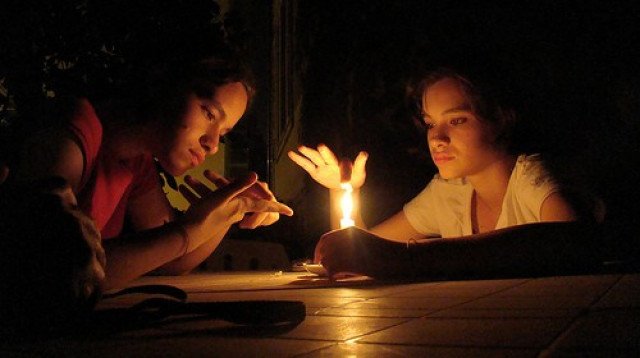
Electricity & Gas Crisis Deepens as Lawmakers Criticise Government Policies
Introduction – Rising Concerns Over Electricity and Gas Shortages in Pakistan
Pakistan is once again facing a severe crisis of unfair billing, electricity load-shedding, and gas shortages, leaving millions of citizens and industries frustrated. On December 6, 2025, lawmakers raised strong objections during a Senate session, highlighting how unannounced power outages, inflated bills, and winter gas load-shedding are deeply affecting households, businesses, and overall economic activity.
The issue has become a national debate as people continue to suffer due to high energy costs, shortage of gas in winter, disruption in industries, and lack of government accountability. Senators expressed that although Pakistan produces sufficient electricity and gas, poor management, electricity theft, circular debt, and governance failures are pushing the country into repeated crises.

Lawmakers Raise Alarms Over Persistent Power & Gas Outages
During the Senate session chaired by Shahadat Awan, several members criticised the government’s handling of the energy sector. They pointed out that the government claims to have enough power and gas supply, yet consumers face long hours of load-shedding, low gas pressure, and unfair billing practices.
Senator Manzoor Kakar strongly condemned the situation, saying that the cost of electricity theft is being transferred to honest bill-paying citizens. He also highlighted how gas-producing provinces like Balochistan and Sindh do not get their fair share of gas, despite being primary contributors to the national supply.
Check Also: Poorest Districts in Pakistan 2025 – New Report Shows 17 Out of 20 Are in Balochistan

Unfair Billing – A Burden on the Public
One of the major issues raised was unfair electricity billing. Many households receive inflated electricity bills despite experiencing load-shedding for several hours each day. Lawmakers said that:
- Bills increase even when consumption is low
- Fuel price adjustments make electricity unaffordable
- Line losses and theft are added to public bills
- Government institutions owe trillions of rupees, yet common people face immediate disconnection
Senator Masroor Ahsan highlighted that federal government departments alone owe over Rs1.75 trillion in unpaid electricity bills. Meanwhile, if a poor family misses just one month’s bill, their electricity is cut off immediately. This imbalance reflects a major governance issue in Pakistan’s energy management.

Impact of Load-Shedding on People and Industry
Lawmakers expressed concern about nationwide unannounced load-shedding, especially during winter and the upcoming month of Ramadan. Many areas face 1 to 6 hours of power outages, depending on theft levels.
Effects on Households
- Daily life disrupted
- Water supply affected due to electric pumps
- High bills despite long outages
- Lack of gas during cooking hours
Effects on Industry
- Factories face gas shut-offs, slowing production
- Export sectors suffer losses
- Unemployment increases due to reduced industrial activity
- Investors feel uncertain due to inconsistent power supply
Senator Zamir Hussain Ghumro added that both Sindh and Balochistan, being gas-producing provinces, still face severe shortages, which hurts industries and public services.

Political Tension Inside Parliament Over Energy Crisis
The Senate proceedings were filled with disruptions as opposition members questioned the quorum, calling the session “illegal”. During the commotion, newly elected Senator Bilal Badar Chaudhry took oath, leading to slogans from the gallery. This increased political tension further derailed discussions.
Information Minister Attaullah Tarar and opposition members exchanged sharp words, forcing the chair to suspend the session for 15 minutes. The energy crisis thus became not only an economic issue but also a highly political and emotional debate in Parliament.
Check Also: Breaking: NADRA Announces Intelligence Officer Jobs 2025 Across Pakistan – City-Wise Vacancies
Gas Crisis in Winter – People’s Struggles Increase
With winter setting in, the gas load-shedding crisis in Pakistan has worsened. Many households face:
- No gas during morning and evening peak hours
- Low pressure in cooking time
- High gas bills despite no supply
Sindh and Balochistan senators criticised the relocation of PPL Head Office from Karachi to Islamabad, arguing that companies earning from provincial resources must be present where the resources originate.
Government’s Response – No Discrimination, Says Minister
Responding to the harsh criticism, Minister for Parliamentary Affairs Dr. Tariq Fazal Chaudhry defended the government. He claimed:
- No province is being discriminated against
- Load-shedding is performed only in areas with high electricity theft
- Supply is normal in districts with low line losses
He stated that outages last between one and six hours depending on the theft ratio. However, many senators did not accept this explanation, saying the poor should not suffer because of others’ wrongdoing.
Root Causes of Pakistan’s Electricity and Gas Crisis
Pakistan’s energy problems are not new. Lawmakers and experts repeatedly highlight the same reasons:
Major Causes
- Electricity theft
- Outdated transmission system
- Circular debt crossing Rs2.7 trillion
- Expensive fuel imports
- Poor governance and mismanagement
- No long-term planning
- Relocation of energy offices away from production regions
Public Complaints Increasing
People across Pakistan search online for solutions using keywords like:
- Why is load-shedding happening in winter?
- Inflated electricity bills Pakistan
- Gas shortage in Sindh and Balochistan
- Unfair electricity billing Pakistan
- Government load-shedding schedule
These keywords reflect the level of frustration among citizens.
What People Want – Relief, Transparency & Accountability
The public demands the following reforms:
- Reduce electricity bills
- Stop passing theft costs to honest consumers
- Ensure equal gas distribution to all provinces
- Hold government institutions accountable for unpaid bills
- Improve transmission and supply lines
- End unannounced load-shedding
- Protect industries from shutdowns
Lawmakers insisted that both government and opposition need to work together for real solutions.
Conclusion – Energy Crisis Requires Immediate Action
Pakistan’s ongoing electricity load-shedding, gas shortages, and unfair billing practices continue to create hardship for citizens and disrupt industrial growth. Lawmakers have rightly raised concerns, and the government must take urgent steps to fix governance issues, reduce theft, and provide equal energy access to all provinces.
Without major reforms, the crisis will worsen, affecting millions of people and damaging the economy further. The public demands practicality, fairness, and transparency in the energy sector—not just statements but real action.
FAQs – MPs Decry Unfair Billing & Load-Shedding
1. Why is Pakistan facing so much load-shedding?
Pakistan faces load-shedding due to electricity theft, line losses, circular debt, and poor management of the power system.
2. Why do people get high electricity bills even during outages?
Inflated bills occur because theft losses, fuel adjustments, and transmission losses are added to consumers’ bills.
3. Why is there gas load-shedding in winter?
Gas demand increases in winter, and poor distribution planning causes shortages and low pressure in many areas.
4. Do gas-producing provinces get their fair share?
Lawmakers say provinces like Sindh and Balochistan do not receive fair supply despite producing most of the gas.
5. What did the government say about load-shedding?
The government claims outages only occur in areas with high electricity theft and no discrimination is made between provinces.