India–US Trade Deal Latest Updates Today | Key Decisions and Economic Impact
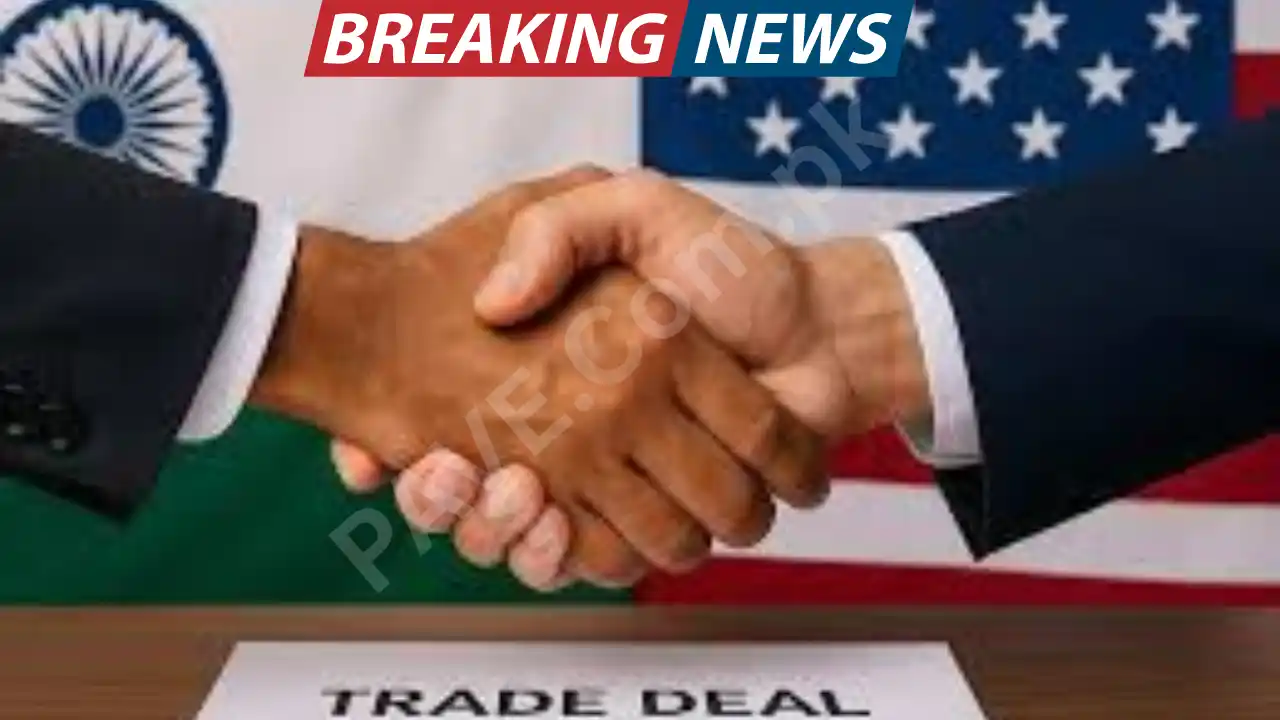
In a major development in global trade and diplomacy, United States and India have reached a significant bilateral trade deal in 2026. The announcement has captured headlines around the world, with major economic and political implications for both nations. This landmark agreement comes after months of tense negotiations and tariff disputes, and represents a strategic reset in the economic relationship between the two largest democracies.
This comprehensive article explains the latest updates on the India–US trade deal today, the key decisions made, what it means for businesses and industries, as well as the broader economic impact on trade, markets, and global supply chains.
📌 Background: Why the India–US Trade Deal Matters
India and the US are among the world’s largest economies, with bilateral trade worth tens of billions of dollars each year. Trade relations had become strained due to rising tariffs and disagreements, particularly over India’s energy purchases and US trade policy.
In 2025, the US imposed punitive levies on Indian imports, with total tariffs reaching as high as 50%, creating economic pressure on export sectors and diplomatic tensions.
The new 2026 trade deal represents a broader strategic partnership, focused on lowering barriers, increasing market access, and facilitating cooperation in key sectors.

📝 Key Decisions Announced in the India–US Trade Deal
🇺🇸 1. Tariff Reductions on Indian Exports
One of the central elements of the agreement is the reduction of tariffs on Indian goods exported to the US:
- The US will lower tariffs from as high as 50% down to around 18% for Indian exports, significantly boosting India’s access to the American market.
This reduction removes much of the trade uncertainty that has affected exporters for months and restores competitive parity with other nations in Asia.
🇮🇳 2. Market Access and Import Commitments
In return, India has agreed to several mutually beneficial concessions:
- India will increase imports of certain US goods, including petroleum products, defense equipment, aircraft, pharmaceuticals, and telecommunications hardware.
- There are reports that India may also cut tariffs on US imports to zero in some categories, improving access for American exporters.
These commitments are designed to balance trade flows and create opportunities for strategic industries in both countries.
⛽ 3. Energy and Strategic Alignment
A major diplomatic component of the deal is related to energy policy.
The US has highlighted India’s agreement to reduce purchases of Russian oil, a key issue in US trade policy.
Although analysts caution that India may not cease all Russian crude purchases immediately, the commitment signals greater alignment with Western energy partners.
📈 4. Broader Economic Co-operation
Leaders from both nations have spoken of a wider vision, including:
- Enhanced cooperation in technology and digital trade
- Defense and aerospace collaboration
- Expansion of investment flows
- Deeper integration in global supply chains
These strategic goals extend beyond tariffs and reflect shared economic interests.

📊 Immediate Economic Impact
📉 Markets Rally on Trade Deal News
The announcement has had an instant positive effect on financial markets:
- Indian benchmark indices such as the BSE Sensex and Nifty 50 rose sharply on the first trading session after the deal.
- Key sectors, especially export-linked industries like textiles, engineering goods, and auto components, saw strong gains.
Investor confidence surged on expectations of higher export volumes and sustained foreign investment.
💵 Boost to Export Outlook
Reducing US tariffs improves the profit margins and competitiveness of Indian exporters:
- Particularly in sectors such as engineering, automotive parts, pharmaceuticals, and agriculture.
Trade groups and business leaders see tariff cuts as a way to revive sluggish exports and capture market share lost due to high duties.

🔄 Long-Term Economic Benefits
🌍 Enhanced Supply Chain Integration
The deal is expected to lead to:
- Stronger integration of Indian manufacturers into US supply chains
- Increased foreign direct investment (FDI)
- New partnerships in advanced manufacturing and services
This strengthens India’s position as a key node in global trade networks.
📈 More Jobs and Growth
Economists suggest that expanded trade flows will help:
- Create jobs in manufacturing and services
- Increase industrial output
- Accelerate economic growth in both nations
Exports to the US were already significant prior to the deal, valued at around $85 billion in 2024.
🪙 Currency Strength and Investment
The trade optimism also helped stabilize currencies and attract investment:
- The Indian rupee strengthened, reflecting renewed confidence.
- Global investors may now view India as a safer emerging market amid global volatility.

⚖ Political and Diplomatic Significance
The trade deal goes beyond economics — it has major geopolitical implications:
- It signals a closer strategic partnership between two democracies.
- Helps ease long-standing trade tensions and opens dialogue on other global issues.
- It also reflects the US’s interest in diversifying geopolitical alliances.
While many support the deal, some political critics argue that components like trade terms or energy commitments could impact sovereign decision-making.
📉 Challenges and Criticisms
No trade agreement is without debate:
⚠️ Domestic Opposition
Certain factions in India and the US remain cautious, questioning whether:
- The concessions on energy policy are too generous
- Some industries may face competition from imports
- Political leadership may have ceded too much leverage
These debates are expected to continue as the deal is implemented.
📌 What Happens Next?
The current deal sets the foundation, but further negotiations are expected:
- Details on specific tariff lines and timelines will be formalized
- Additional sessions may expand cooperation on digital trade, services, and regulatory alignment
- A comprehensive trade framework is anticipated in the coming months to solidify the commitments made.
📈 How This Trade Deal Affects India and the US
🇮🇳 For India
- Better access to the world’s largest consumer market
- More competitiveness for “Made in India” products
- Attracts new investment and partnerships
🇺🇸 For the United States
- Increased exports to a growing market
- Deeper ties with a major geopolitical partner
- Potential job creation in export industries
📌 Conclusion
The India–US trade deal in 2026 marks a historic turning point in bilateral economic relations. With tariff reductions, market access, and increased strategic cooperation, the agreement is poised to create mutual benefits for both economies. While challenges and political debates remain, the overall outlook is one of stronger trade ties, enhanced competitiveness, and expanded cooperation across multiple sectors.
❓ Frequently Asked Questions (FAQs)
1. What key decision was made in the India–US trade deal?
The US agreed to lower tariffs on Indian goods to 18% from previous high rates, improving market access.
2. Does India have to change its oil policy under the deal?
India agreed to reduce Russian oil purchases, though analysts say immediate full cessation may not occur.
3. How did the markets react to the trade deal news?
Major Indian stock indices surged on the announcement, showing investor optimism.
4. Will this deal benefit Indian exporters?
Yes — reduced tariffs improve pricing competitiveness and expected export volumes.
5. Are there any criticisms of the agreement?
Some critics argue that certain concessions, especially on energy policy, could affect economic autonomy.