Internal Differences Emerge in PTI Over Lahore By-Election Decision
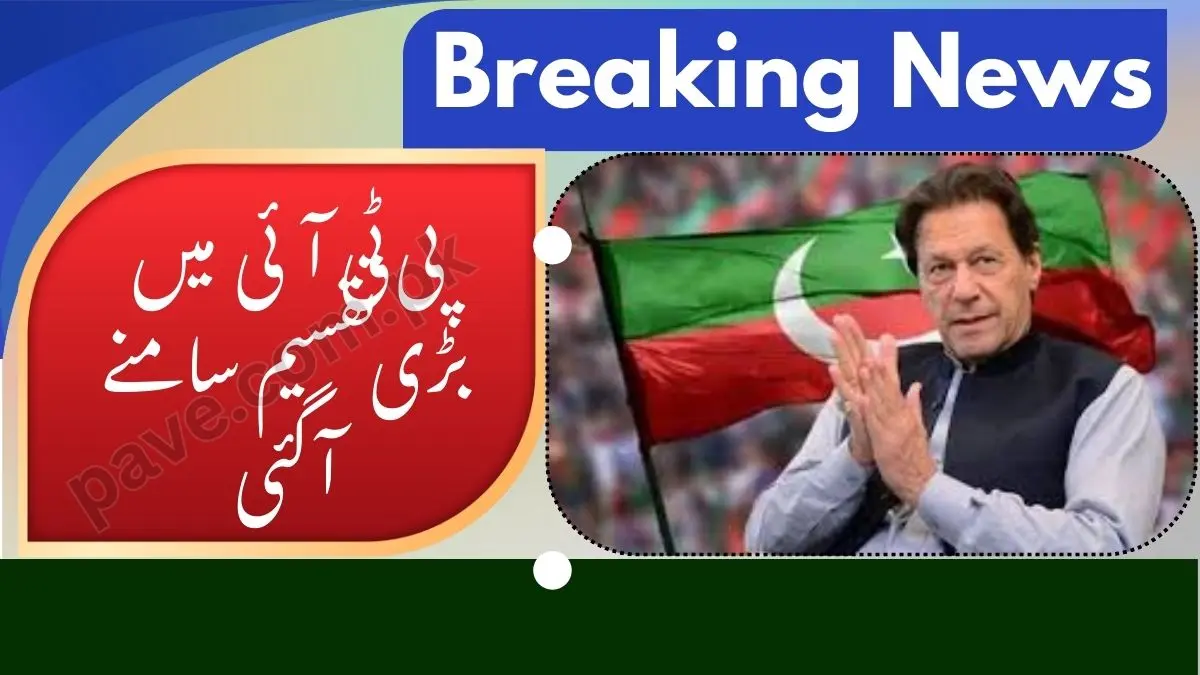
The Pakistan Tehreek-e-Insaf (PTI) is facing visible internal divisions after the party decided to boycott the by-election in PP-167 Lahore, a move that has split senior leadership into two opposing camps and sparked renewed debate over strategy, authority, and decision-making within the party.
What Triggered the Rift?
According to party insiders, the disagreement erupted soon after PTI’s political committee announced its decision not to contest the PP-167 by-poll. Several senior leaders argue that the move deviates from the party’s stated policy and does not align with the guidance attributed to the party’s founder.
These leaders maintain that the boycott directive was limited to constituencies where elected representatives were disqualified following convictions—a condition they say does not apply to PP-167 Lahore. As a result, they view the boycott as procedurally flawed and strategically counterproductive.

Official Announcement Fuels Controversy
Tensions intensified after the party’s central information secretary publicly confirmed PTI’s non-participation, effectively closing the door on candidate nominations and prompting dissenters to speak out. Critics within PTI argue that the announcement was premature and should have followed broader consultation within the party’s decision-making forums.
Background: Why PP-167 Went to By-Election
The Punjab Assembly seat PP-167 fell vacant following the death of a leader from the Pakistan Muslim League (N) (PML-N), triggering a by-election under constitutional requirements. Unlike cases involving disqualification due to convictions, this vacancy arose from natural causes, strengthening the dissenting camp’s argument against a boycott.
Calls for Review Inside PTI
Insiders reveal that dissenting leaders plan to formally request a review of the boycott decision before PTI’s political committee. They have cited NA-129 Lahore as a precedent, noting that similar constituencies were not included in previous boycott calls and arguing that PP-167 should be treated consistently.
Their position is that contesting the by-poll would:
- Keep PTI electorally relevant in Lahore
- Prevent organizational disengagement at the grassroots level
- Avoid conceding political space to rivals without a contest
Election Schedule Confirmed
Meanwhile, the Election Commission of Pakistan (ECP) has issued the official schedule, confirming that polling in PP-167 Lahore will take place on February 4. With the clock ticking, PTI’s internal debate has become increasingly urgent.
Why This Matters for PTI
Political observers say the episode highlights broader challenges for PTI at a critical juncture:
- Strategic coherence: Conflicting interpretations of boycott policy
- Decision-making clarity: Questions over who has final authority
- Party unity: Risk of public اختلافات (differences) undermining confidence
At a time when electoral strategy and organizational discipline are crucial, the PP-167 controversy has reopened discussions about internal consultation, consistency, and leadership alignment within PTI.