
Islamabad Rs. 1.3 Billion Underpass Project Opening Soon
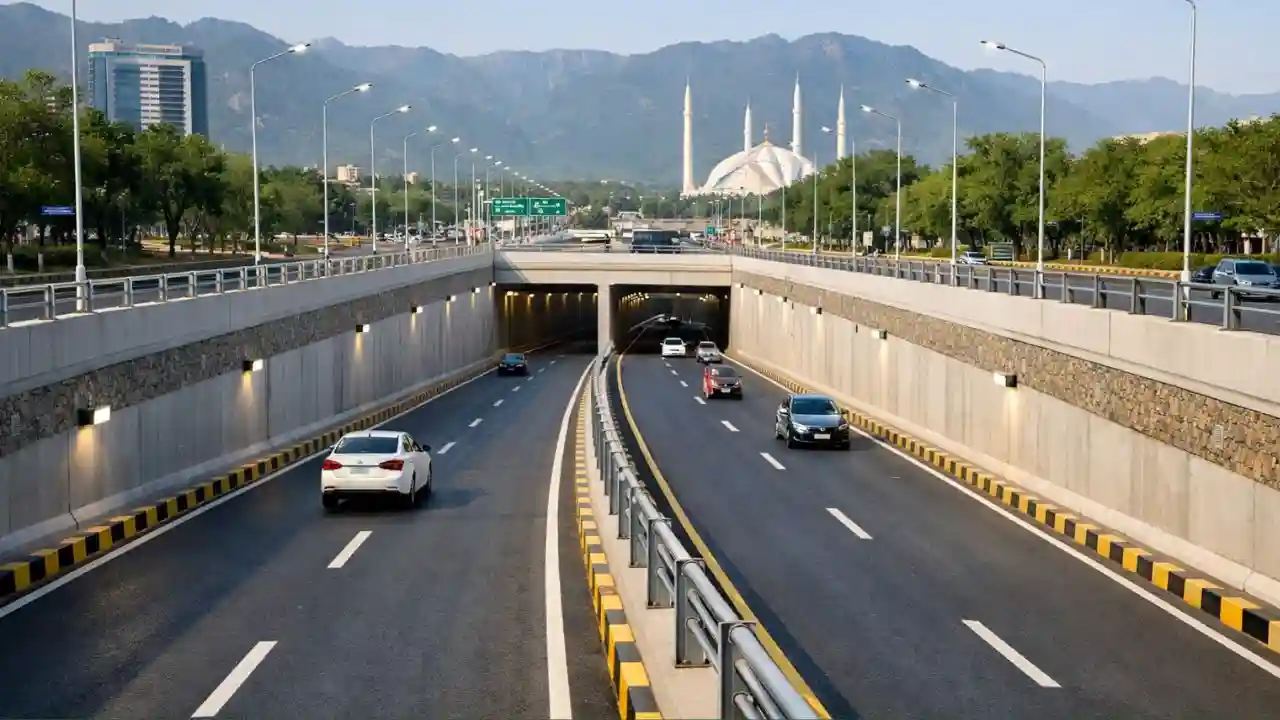
Islamabad Rs. 1.3 Billion Underpass Project Opening Soon is set to witness another major infrastructure milestone as the Rs. 1.3 billion underpass project nears completion and is expected to open for traffic soon. The project aims to significantly reduce traffic congestion, improve commute times, and modernize the capital’s road network.
With the city’s population growing rapidly and vehicle numbers increasing every year, Islamabad’s main intersections have been under immense pressure. To address these challenges, the Capital Development Authority (CDA) launched multiple road infrastructure projects, including flyovers and underpasses, with this underpass being one of the most critical.
Overview of the Islamabad Rs. 1.3 Billion Underpass Project
The Rs. 1.3 billion underpass project in Islamabad is part of the government’s broader plan to improve traffic flow at congested junctions. The underpass is designed to facilitate uninterrupted movement of vehicles and reduce bottlenecks at one of the capital’s busiest intersections.
Key objectives of the project include:
- Reducing traffic congestion
- Improving average travel time
- Enhancing road safety
- Supporting future urban expansion
The project has been executed with modern engineering standards to ensure durability and long-term benefits.

Strategic Location of the Underpass in Islamabad
The underpass is located at a high-traffic junction, connecting major arteries of Islamabad. This area experiences heavy daily traffic due to its proximity to:
- Commercial zones
- Residential sectors
- Educational institutions
- Government offices
Due to traffic signals and frequent stoppages, commuters previously faced long delays during peak hours. The new underpass will allow vehicles to pass through without stopping, easing congestion at surface-level roads.

Construction Cost and Funding Breakdown
The total cost of the Islamabad underpass project is Rs. 1.3 billion, funded by the government through development allocations. The cost includes:
- Excavation and earthworks
- Structural construction
- Drainage and sewerage systems
- Road carpeting and markings
- Lighting and safety installations
Authorities have stated that the project was completed within the approved budget, reflecting improved project management and oversight.

Current Construction Progress and Opening Timeline
According to officials, construction work is almost complete, with final touches underway. These include:
- Road surfacing
- Installation of safety barriers
- Traffic signage
- Testing of drainage systems
Once these steps are finalized, the underpass will be opened for traffic in the coming days, pending final inspections and clearance by relevant departments.

How the Underpass Will Improve Traffic Flow
The opening of the Islamabad Rs. 1.3 billion underpass is expected to bring immediate relief to commuters. Key improvements include:
Reduced Travel Time
Vehicles will be able to bypass traffic signals, significantly cutting down travel time during rush hours.
Smoother Traffic Movement
Traffic will be distributed more evenly between surface roads and the underpass, reducing congestion.
Lower Fuel Consumption
With fewer stoppages and smoother driving conditions, fuel consumption and emissions will decrease.
Improved Road Safety
Dedicated lanes and proper signage will reduce the chances of accidents caused by sudden braking and congestion.
Impact on Daily Commuters and Businesses
For daily commuters, the underpass will mean:
- Faster office commutes
- Less stress during peak hours
- Predictable travel times
Local businesses in the surrounding areas are also expected to benefit as improved accessibility often leads to increased footfall and economic activity.
Islamabad’s Expanding Road Infrastructure Plan
This underpass is not an isolated project. It is part of Islamabad’s larger urban development strategy, which includes:
- New flyovers and underpasses
- Expansion of major roads
- Signal-free corridors
- Improved public transport integration
Authorities believe these projects are essential to maintaining Islamabad’s status as a planned and livable capital city.
Environmental and Urban Planning Considerations
Urban planners have emphasized that the project aligns with Islamabad’s master plan. Measures have been taken to:
- Maintain proper drainage to avoid flooding
- Minimize environmental disruption
- Ensure pedestrian safety on surface roads
While infrastructure development often raises environmental concerns, officials claim the project balances growth with sustainability.
Public Reaction and Expectations
Residents have largely welcomed the project, especially those who commute daily through the affected junction. Many hope that:
- Traffic jams will become a thing of the past
- Similar projects will be initiated in other congested areas
- Long-term traffic planning will continue
Social media discussions suggest cautious optimism, with people eager to see real-world results once the underpass opens.
Challenges Faced During Construction
Like most urban infrastructure projects, the underpass faced several challenges, including:
- Traffic diversions during construction
- Weather-related delays
- Utility relocation issues
Despite these obstacles, the project progressed steadily and is now nearing completion.
What to Expect After the Underpass Opens
After the opening:
- Traffic police will monitor traffic patterns
- Adjustments may be made to signals and routes
- Public feedback will help fine-tune traffic management
Authorities have urged motorists to follow lane discipline and traffic signs for maximum benefit.
FAQs – Islamabad Rs. 1.3 Billion Underpass Project
When will the Islamabad Rs. 1.3 billion underpass open?
The underpass is expected to open within days, after final inspections and approvals.
Where is the underpass located?
It is located at a major traffic junction in Islamabad, connecting key roads and sectors.
How much did the underpass cost?
The total cost of the project is Rs. 1.3 billion.
Who is overseeing the project?
The project is being managed by the Capital Development Authority (CDA).
Will the underpass reduce traffic congestion?
Yes, it is designed to significantly reduce congestion and improve traffic flow.
Conclusion
The Islamabad Rs. 1.3 billion underpass project opening soon marks another important step toward modernizing the capital’s infrastructure. With its strategic location, modern design, and focus on easing congestion, the underpass is expected to bring lasting benefits to commuters, businesses, and the city as a whole.
As Islamabad continues to grow, such projects highlight the importance of forward-looking urban planning. The real test will come once the underpass opens to traffic—but expectations are high that it will deliver much-needed relief on one of the city’s busiest routes.