Jeffrey Epstein Case Update: DOJ Files Part 2 Spark Online Debate
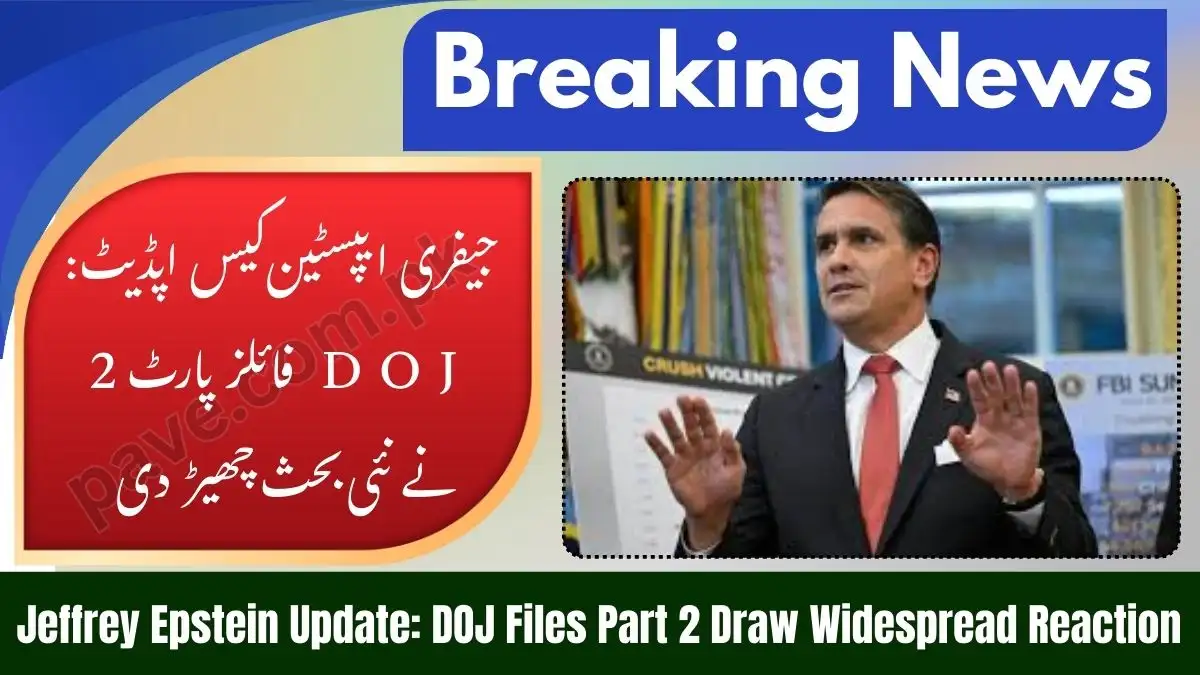
On January 30, 2026, the U.S. Department of Justice (DOJ) released a second massive tranche of material under the Epstein Files Transparency Act. Labeled informally as “Part 2,” the drop totals 3.5 million pages, reigniting public anger not just over what’s inside—but over what’s still withheld.
Here’s the clear, grounded breakdown of what was released, what’s alleged, and why the controversy hasn’t cooled as of February 9, 2026.
📂 What’s in the February 2026 Release?
The DOJ says the tranche includes:
- ~2,000 videos
- ~180,000 images
- Emails, internal memos, and investigative notes spanning years
Importantly, the DOJ also cautioned that some materials include unverified tips and sensational claims submitted by the public to investigators.

🔎 Key Findings Driving the Debate
UK Political Angle
Emails in the files suggest that Peter Mandelson, a senior British political figure, may have shared sensitive government information with Epstein during the 2008 financial crisis.
- Status: The UK Cabinet Office opened a formal review on February 6, 2026.
- Context: These are email references under review; conclusions have not been publicly announced.
Pre-Death Cooperation Talks
Documents indicate that 12 days before Epstein’s death in 2019, his lawyers met federal prosecutors to discuss potential cooperation.
- What’s missing: The files do not detail what Epstein offered or whether talks advanced.
Prince Andrew Photo Verification
An internal email appears to affirm the authenticity of the widely circulated photograph showing Prince Andrew with Virginia Giuffre.
- Why it matters: Prince Andrew previously suggested the image might be doctored.
- Caveat: The email reflects an internal assessment, not a court ruling.
Tech Billionaires Named in Emails
Cordial correspondence shows Elon Musk and Bill Gates discussing philanthropic ideas with Epstein after his 2008 conviction.
- Musk: Emails reference tentative island visit plans in 2012–2013; Musk has said such trips did not occur.
- Gates: Prior contacts were previously acknowledged; no new wrongdoing is alleged in the release.

⚖️ The Core Controversy: “Where Are the Other 3 Million Pages?”
This is the flashpoint.
- Identified: ~6 million potentially responsive pages
- Released: 3.5 million
- Unreleased: ~2.5 million
DOJ’s Explanation
Deputy Attorney General Todd Blanche said the withheld material consists of:
- Duplicates
- Non-responsive records
- Files containing fake or unfounded claims
Critics’ Response
Members of Congress, including Jamie Raskin, accuse the DOJ of selective disclosure that shields powerful figures while exposing survivors.
🛡️ Where Things Stand (As of Feb 9, 2026)
| Stakeholder | Current Action |
|---|---|
| U.S. Congress | Lawmakers can view full, unredacted files in a secure DOJ reading room |
| Norway Police | Opened a probe into Thorbjørn Jagland on Feb 6 after mentions in the files |
| Victim Advocates | Outrage over documents that identify survivors while alleged “enablers” remain heavily redacted |
Misinformation alert: The DOJ explicitly warned that some files include unverified public tips, including unfounded allegations against public figures such as Donald Trump. Presence in tips ≠ evidence.

🧠 Why This Release Hit So Hard
- The scale (millions of pages) invites scrutiny
- The gap between identified vs. released records fuels distrust
- Redaction choices appear inconsistent to critics
- Survivor-identifying mistakes undermine confidence
Bottom Line
“Part 2” adds context but not closure. It confirms contacts, assessments, and internal debates—not final judgments. The real fight now is over access and transparency: who gets to see the rest, and why.