Jersey Island Launches Its First Remote Health Monitoring System for Elderly Residents
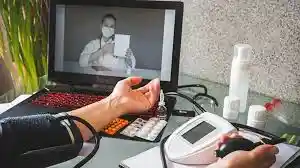
Jersey Island has taken a major step toward modernizing community healthcare by launching its first remote health monitoring system. The initiative is designed to help elderly and vulnerable residents receive continuous care from the comfort of their homes. With the rise of digital healthcare, tools like Luci, a digital health application, are helping nurses monitor vital signs remotely, detect early health issues, and improve overall wellbeing.
This article explains how Jersey’s remote health monitoring system works, its funding and support, benefits for patients and nurses, government involvement, future prospects, and precautionary measures for elderly residents.
What is Jersey’s Remote Health Monitoring System?
Jersey Island’s new program allows healthcare providers to monitor patients’ health remotely. It is specifically designed for elderly residents, individuals with chronic illnesses, and those dealing with frailty or long-term conditions.
The system uses Luci, a digital health application developed by GraphNet. Luci enables nurses to check patients’ vital signs such as:
- Heart rate
- Blood pressure
- Blood sugar levels
- Oxygen saturation
All these measurements are monitored while the patient remains safely at home, eliminating the need for frequent hospital visits and improving patient comfort.

How Does the System Work?
The process is simple and effective:
- Patient Setup: Residents receive devices that can measure their vital signs at home.
- Data Transmission: Health data is transmitted securely to the Luci platform.
- Nurse Monitoring: Nurses monitor readings on a dashboard, allowing them to detect abnormalities.
- Early Alerts: If vital signs reach dangerous levels, alerts are generated to take immediate action.
By allowing continuous monitoring, the system helps nurses act quickly, preventing complications and reducing hospital admissions.

Funding and Support
The initiative is funded through an £800,000 CareTech grant, dedicated to upgrading digital care for older residents. FNHC Chief Executive, Rosemarie Finley, described the system as a powerful tool to watch over residents in their own homes.
She emphasized that community nurses work closely with patients suffering from chronic wounds, diabetes, and other long-term conditions. Luci helps them detect warning signs early and intervene promptly, enhancing the quality of care.
The program is also supported by Digital Jersey, reflecting the island’s commitment to improving healthcare with innovative digital solutions.

Benefits of Remote Health Monitoring
The remote health monitoring system offers numerous advantages for both patients and healthcare providers.
1. Early Detection of Health Problems
Continuous monitoring allows nurses to identify health issues before they become serious, reducing the risk of emergencies.
2. Improved Patient Comfort
Elderly residents can stay at home while receiving professional medical supervision, promoting independence and reducing stress.
3. Reduced Pressure on Nursing Staff
By prioritizing patients who need urgent attention, nurses can manage their workload more efficiently, reducing stress and improving service delivery.
4. Better Health Outcomes
Early detection, timely intervention, and continuous monitoring help prevent complications, ensuring healthier lives for residents.
5. Safety and Independence
Residents gain peace of mind knowing their health is being monitored, allowing them to maintain daily routines safely.

Role of Luci in Digital Healthcare
Luci is a secure, user-friendly platform developed by GraphNet for remote patient monitoring. Key features include:
- Real-time monitoring: Nurses get instant updates on patient health.
- Secure data storage: Patient data is safely stored and transmitted.
- Alerts and notifications: Nurses receive warnings for abnormal readings.
- Easy interface: Both nurses and patients can use the platform easily without technical difficulties.
This technology ensures healthcare providers can act quickly and efficiently when residents’ health is at risk.
Government Involvement and Health Minister Statement
Jersey’s Health Minister, Tom Binet, highlighted the importance of adopting digital tools like Luci across the island’s healthcare system. He stated that technology can support:
- Safer living for elderly residents
- Greater independence
- Healthier communities
By integrating remote monitoring tools into public healthcare, Jersey aims to modernize healthcare delivery, making it more proactive and patient-focused.
Impact on Residents and Healthcare System
For Residents:
- Fewer hospital visits
- Timely care for chronic conditions
- Improved quality of life
- Peace of mind for themselves and families
For Healthcare Staff:
- Efficient monitoring of multiple patients
- Ability to focus on urgent cases
- Reduced workload stress
- Better tracking of patient health trends
The program is expected to enhance healthcare efficiency while ensuring that residents receive high-quality, continuous care.
Future Prospects of Remote Health Monitoring in Jersey
The success of this initiative could pave the way for:
- Expansion of remote monitoring to other vulnerable groups
- Integration with primary care and hospitals
- Adoption of additional digital health tools
- Better data collection to inform public health strategies
Experts believe that digital health solutions like Luci will gradually transform community healthcare, making it more efficient, patient-friendly, and proactive.
Challenges and Considerations
While the system shows promise, there are some challenges:
- Data security and privacy: Ensuring patient data remains protected
- Training: Educating nurses and residents to use the platform effectively
- Connectivity issues: Maintaining reliable internet connections in remote areas
- Technical support: Providing ongoing assistance for device issues
Addressing these challenges will ensure the system’s long-term success and effectiveness.
Conclusion About Jersey Remote Health Monitoring:
Jersey Island’s launch of its first remote health monitoring system is a significant milestone in digital healthcare. By enabling nurses to monitor patients’ vital signs remotely, the system ensures early detection of health issues, safer independent living, and improved patient outcomes.
With continued support, investment, and training, tools like Luci have the potential to revolutionize healthcare in Jersey, reduce pressure on medical staff, and create healthier communities for elderly and vulnerable residents.
FAQs
1. What is Jersey Island’s remote health monitoring system?
It is a digital program using Luci to monitor elderly and vulnerable residents’ health remotely.
2. Who benefits from this system?
Elderly residents, people with chronic illnesses, and those needing long-term care.
3. How does Luci work?
Patient vital signs are measured at home, transmitted securely, and monitored by nurses for early intervention.
4. What are the benefits of remote monitoring?
Early detection, improved patient comfort, reduced hospital visits, and better health outcomes.
5. Who funds this initiative?
The program is funded by an £800,000 CareTech grant, supported by Digital