
Maryam Nawaz Announces Strict Discipline Policy in Public Hospitals
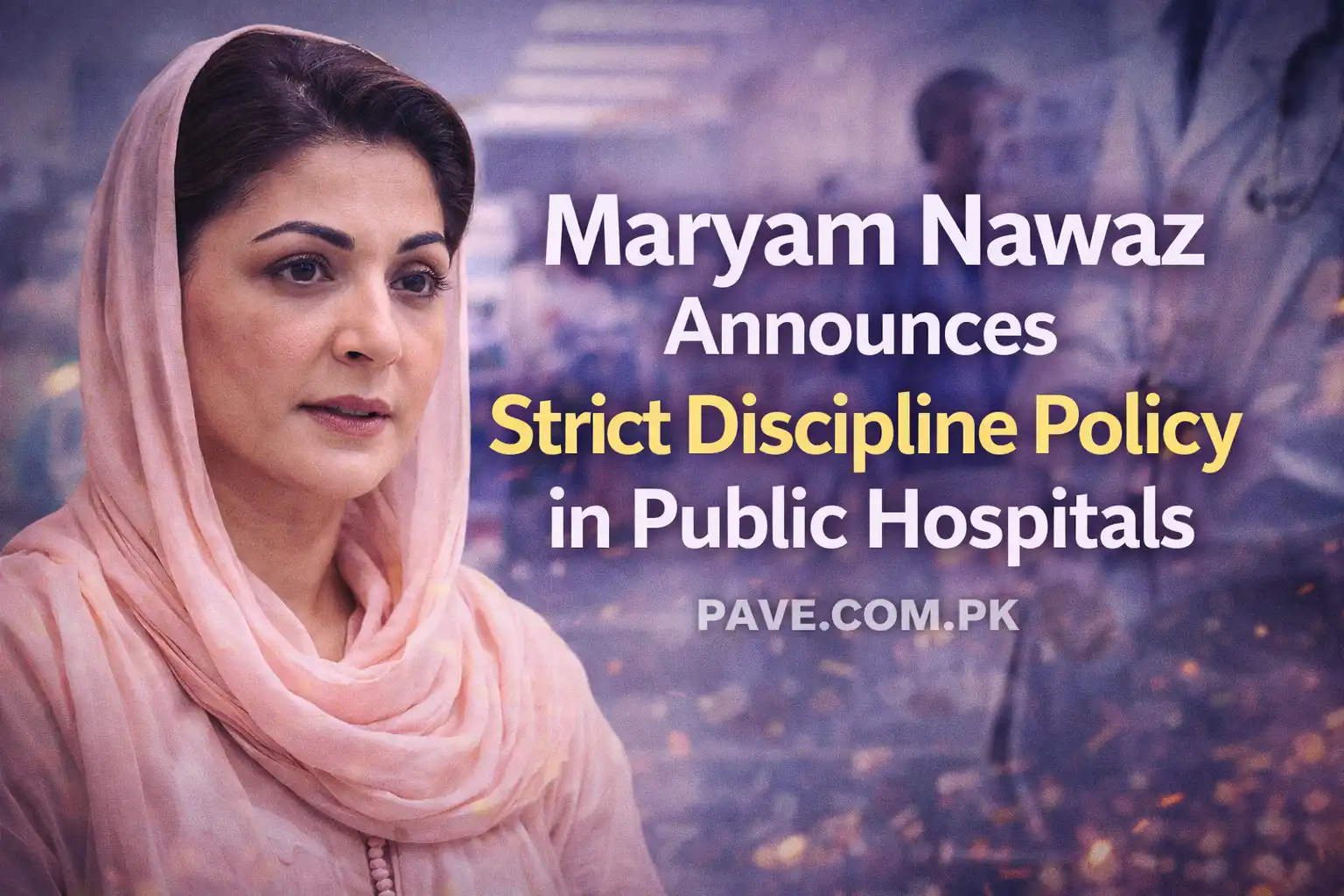
Punjab Chief Minister Maryam Nawaz has issued strict instructions banning the use of mobile phones by doctors during duty hours in government hospitals across the province. The directive aims to improve patient care, enhance discipline, and strengthen accountability in the public health sector.
The announcement was made while addressing medical superintendents (MSs) and chief executive officers (CEOs) of public hospitals in Lahore. The Chief Minister warned that negligence in the health sector can cost lives and will not be tolerated.
In this detailed article, we explain:
- Why mobile phones are banned during duty hours
- What Maryam Nawaz said about patient care
- How hospitals will enforce the new rules
- What reforms are being introduced in Punjab’s health sector
- Allocation for pediatric heart surgeries
- Recruitment of doctors and nurses
This article is written in easy English and includes important Google search keywords.
Why Punjab Government Banned Mobile Phone Use in Hospitals
The Chief Minister emphasized that doctors focusing on mobile phones instead of patients is unacceptable.
She stated:
“Doctors refraining from using mobile phones during duty hours will not bring about any disaster.”
Her message was clear: even small distractions in hospitals can lead to serious medical errors.
Main Reasons Behind the Ban
- Improve patient care quality
- Reduce negligence complaints
- Increase discipline in government hospitals
- Strengthen accountability
- Ensure timely medical response
Patients visiting public hospitals often belong to lower-income groups and depend entirely on government healthcare services.
Maryam Nawaz’s Strong Warning to Hospital Administration
While addressing hospital officials, Maryam Nawaz made it clear that:
- Complaints about negligence will face strict action
- Corruption in medicine funds will not be tolerated
- Monitoring must be strengthened
She stressed that senior officials should not remain confined to offices. Instead, they must:
- Visit hospital wards regularly
- Personally check service delivery
- Ensure proper patient care
This move signals a shift toward stricter supervision in public hospitals.
Accountability and Monitoring – The Core Focus
According to the Chief Minister, the main issue in Punjab’s public hospitals is not lack of funding but lack of monitoring and discipline.
Despite heavy spending in the health sector, cases of:
- Criminal negligence
- Mismanagement
- Poor supervision
continue to appear.
She emphasized that better management and monitoring are essential to improve healthcare services.
Key Health Reforms Announced
Along with banning mobile phone usage, several broader reforms were highlighted.
1. One Patient Per Bed Policy
The Chief Minister instructed hospitals to ensure:
- Only one patient per bed
- No overcrowding in wards
This step aims to improve hygiene and patient comfort.

2. Fire Safety and Hospital Security
Hospitals were directed to:
- Maintain functional fire safety systems
- Improve safety measures
- Ensure emergency preparedness
This comes after concerns about hospital safety standards.

3. Strict Action on Corruption
Maryam Nawaz warned that:
- Funds allocated for medicines for poor patients must not be misused
- Corruption complaints will result in disciplinary action
She reinforced zero tolerance for misuse of public funds.
Rs. 3 Billion Allocated for Pediatric Heart Surgeries
In a separate event focused on children’s cardiac treatment, the Chief Minister announced a major funding initiative.
Key Announcement:
- Rs. 3 billion allocated for pediatric heart surgeries
This allocation will help children suffering from congenital heart diseases receive timely treatment.
The move is seen as a major boost to child healthcare in Punjab.
Recruitment of Doctors and Nurses
To strengthen the health system, the Punjab government has:
- Recruited 1,500 doctors
- Hired 5,000 to 6,000 nurses
This recruitment aims to:
- Reduce staff shortage
- Improve hospital efficiency
- Enhance patient care
The Chief Minister urged medical professionals to focus on saving lives rather than allowing distractions to interfere with their duties.
Public Reaction to Mobile Phone Ban
The decision has triggered mixed reactions.

Supporters Say:
- It will improve discipline
- Reduce negligence
- Enhance professionalism
- Strengthen public trust
Critics Say:
- Doctors may need phones for medical communication
- Emergency consultation sometimes requires mobile access
However, the government insists that patient care must come first.
Impact on Punjab Health Sector
If implemented properly, the ban could:
- Reduce patient complaints
- Improve service quality
- Increase accountability
- Strengthen supervision
The focus appears to be on reforming hospital culture rather than simply increasing funding.
Broader Context: Health Sector Reform in Punjab
Punjab’s healthcare system has faced criticism in recent years over:
- Overcrowded hospitals
- Medicine shortages
- Staff negligence
- Poor monitoring
The current government is trying to:
- Improve hospital management
- Introduce stricter discipline
- Allocate targeted funding
- Strengthen oversight mechanisms
The mobile phone ban is part of this larger reform agenda.
Why This Decision Matters
Healthcare professionals hold critical responsibility. A few seconds of distraction in medical settings can lead to:
- Delayed diagnosis
- Incorrect treatment
- Medication errors
- Life-threatening consequences
The Chief Minister’s message emphasizes that patient care must always remain the top priority.
Google Search Keywords Covered in This Article
This article includes important SEO keywords such as:
- Punjab CM Maryam Nawaz hospital reforms
- Doctors mobile phone ban Punjab
- Maryam Nawaz health sector reforms 2026
- Punjab government hospital policy update
- Pediatric heart surgery fund Punjab
- Recruitment of doctors and nurses Punjab
- Public hospital accountability Punjab
Final Thoughts
The decision by Punjab Chief Minister Maryam Nawaz to ban mobile phone use by doctors during duty hours reflects a strong push toward discipline and accountability in the health sector.
Along with major funding announcements and recruitment drives, this move signals a broader healthcare reform plan in Punjab.
If implemented effectively, these reforms could improve public trust in government hospitals and enhance the overall quality of healthcare services in the province.