
Breaking News: New School Security SOPs Announced in Punjab
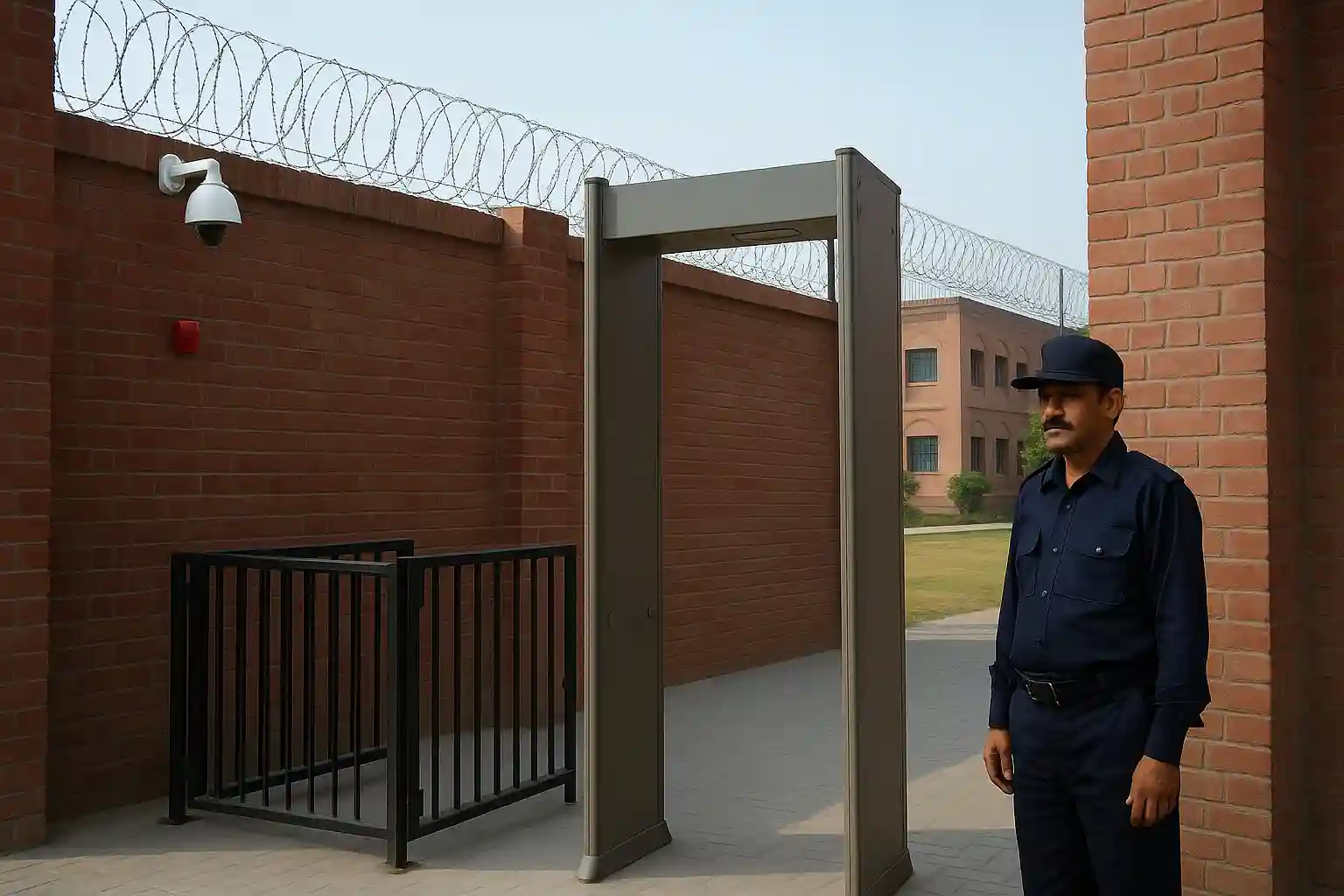
The Punjab government has introduced a fresh and comprehensive set of School Security Standard Operating Procedures (SOPs) for all public and private educational institutions across the province. These new rules have been issued to enhance student safety, modernize campus protection systems, and ensure that schools remain fully prepared for emergency situations. Officials have stated that the updated SOPs will be strictly enforced, with inspections carried out regularly to confirm compliance.
Punjab is home to thousands of schools, ranging from small private setups to large public institutions. The revised SOPs aim to bring uniformity to safety practices so that every school—regardless of its size or location—maintains a minimum level of security. Education authorities have emphasized that student protection is a top priority, and no institution will be allowed to compromise on safety standards.
Mandatory Strengthening of School Boundaries
A key component of the new SOPs is the requirement for 8-foot-high boundary walls around every school campus. These walls must be structurally strong and topped with barbed wire for added security. According to officials, insecure or low boundary walls are among the biggest weaknesses in school safety, and these issues must now be resolved without delay.
Schools with incomplete or damaged boundary walls have been directed to begin construction or repairs immediately. The government has made it clear that schools failing to meet this requirement may face warnings, penalties, or temporary suspension until they comply.
Proper lighting around the boundary walls has also been made compulsory. At night or during early morning hours, visibility must remain clear so that guards and surveillance systems can detect any unauthorized activity.

Surveillance Cameras and Web Monitoring
Another major part of the updated SOPs is the mandatory installation of CCTV cameras throughout the school premises. These cameras must be placed at all important points, including:
- Main entrances and exits
- Hallways and corridors
- Playgrounds and open spaces
- Staff areas
- Parking zones
CCTV footage must be recorded continuously and stored safely for an appropriate period. Schools have also been encouraged to use webcams for remote monitoring. This allows administrators to maintain oversight even when they are not physically present on campus.
Education officials believe that digital surveillance plays a crucial role in preventing suspicious activities, monitoring visitor movement, and supporting investigations when needed.

Deployment of Trained Security Guards
The new SOPs require every school to employ trained and licensed security guards. These guards must remain alert, fully uniformed, and present at their designated posts throughout school hours. The training includes handling emergency situations, crowd management, communication skills, and operating security equipment.
Untrained guards, informal watchmen, or individuals without proper identification will no longer be acceptable. Schools must either hire guards through authorized security companies or ensure their existing staff undergoes proper training sessions.
Guards will also be responsible for monitoring the entry gate, assisting students, checking visitors, and conducting routine inspections around the campus.

One-Gate Policy for Better Monitoring
To enhance access control, schools across Punjab have been directed to follow a one-gate policy on regular school days. This means only one gate will remain open for entry and exit, making it easier to monitor who is coming in and out.
Multiple open gates increase the risk of unauthorized entry, so the government aims to minimize those risks by centralizing movement. The designated gate must have:
- A trained guard
- A metal detector
- Camera monitoring
- A visitor record system
Staff members must be present to support security personnel and ensure smooth movement during peak hours such as morning drop-off and afternoon pick-up.

Mandatory Use of Metal Detectors and Panic Buttons
Under the new SOPs, schools must install handheld and walk-through metal detectors. These detectors help identify dangerous objects before they can enter the school premises. Schools are advised to maintain these devices regularly to ensure smooth functioning.
Another important feature introduced by the Punjab government is the panic button system. This button must be placed at a central point—usually at the main gate or principal’s office—and directly linked to law enforcement agencies. Pressing the panic button should instantly alert authorities during an emergency, speeding up the response time.
Emergency Preparedness and Mock Drills
To improve preparedness during disasters or security threats, schools are required to conduct regular mock drills. These drills will be carried out in collaboration with Rescue 1122 and Civil Defence teams. Students and staff will be trained on:
- Evacuation procedures
- Fire safety techniques
- Earthquake response
- Lockdown situations
- Emergency assembly points
Mock drills help identify weaknesses in a school’s safety plan and allow administrators to make improvements. The Punjab government believes that practical training is essential for building student confidence and ensuring that staff members know how to react in stressful situations.
Schools must also ensure their emergency exit routes are properly marked, always accessible, and never blocked by furniture or construction material.
Installation of Water Reservoirs and Emergency Supplies
In addition to physical security measures, schools must maintain water reservoirs to support fire safety and other emergencies. These reservoirs may include overhead tanks, underground water storage, or portable water units.
Emergency kits—including first aid supplies, fire extinguishers, flashlights, and communication tools—must also be available at key locations. Staff members should be trained in using all emergency equipment.
Security Clearance from the Special Branch
Schools must now obtain security clearance from the Special Branch of the police. This clearance will confirm whether an institution has implemented all the required SOPs. Special Branch teams will regularly inspect schools, review their security structure, and submit reports to the relevant authorities.
Institutions that fail to meet the standards may receive notices or be directed to stop operations until compliance is achieved.
Administrative Responsibilities for Schools
School administrations have been instructed to prepare detailed documentation of their security setup. This includes:
- Campus layout with CCTV coverage points
- Guard duty rotations
- Records of metal detector use
- Visitor entry logs
- Emergency drill reports
- Contact lists for law enforcement and rescue teams
These documents must be accessible to inspectors at all times. Administrations are also encouraged to create School Safety Committees involving teachers, parents, and community representatives. These committees will help monitor progress and address challenges.
Importance and Expected Outcomes of New SOPs
The Punjab government believes the introduction of these SOPs is crucial for ensuring a safe and stable learning environment. With rising security concerns across the region, it has become necessary to strengthen school protection systems.
The new SOPs aim to:
- Reduce security threats
- Standardize safety practices
- Protect children and staff
- Improve emergency response
- Build trust among parents
- Support uninterrupted learning
By enforcing strict rules, the government hopes schools will become safer and better equipped to handle unexpected situations.
Conclusion – New School Security SOPs Announced in Punjab
The announcement of new School Security SOPs in Punjab marks a significant step toward improving educational safety standards across the province. With stronger boundaries, advanced surveillance systems, trained guards, controlled access, and comprehensive emergency planning, the government is aiming for a more secure environment for students and teachers.
However, successful implementation will require commitment from school administrations, cooperation from parents, and regular monitoring by authorities. If executed effectively, these measures will not only protect lives but also create a stable learning atmosphere for future generations.