
Pakistan Expands Defence Exports: JF-17 Jets Headed to Libya
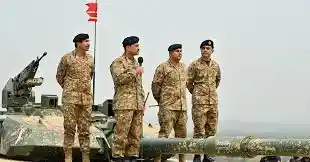
Pakistan has finalized a historic military export deal with the Libyan National Army worth over $4 billion. This agreement marks one of the largest-ever defence contracts for Pakistan, covering the sale of advanced military equipment, including 16 JF-17 fighter jets, to strengthen Libya’s eastern and southern armed forces.
Officials confirmed that the deal was signed following high-level discussions between Pakistan’s Army Chief, Field Marshal Asim Munir, and Libyan National Army deputy commander Saddam Khalifa Haftar in Benghazi last week. The agreement spans approximately two and a half years and involves equipment for air, land, and sea operations.
Key Details of the $4 Billion Military Agreement
JF-17 Fighter Jets Sale
Under the agreement, Pakistan will supply 16 JF-17 fighter jets to Libya. The JF-17 is a multi-role combat aircraft developed jointly by Pakistan and China, capable of air-to-air and air-to-ground missions. Its inclusion in the deal strengthens Libya’s air capabilities significantly.
Trainer Aircraft and Other Equipment
In addition to the JF-17 jets, Pakistan will export 12 Super Mushak trainer aircraft, which are used for pilot training and skill development. The package also includes equipment for land and naval forces, although the exact quantities of vehicles, munitions, and naval platforms have not been fully disclosed.
Strategic Timeline
The deal is scheduled to be executed over two and a half years, ensuring Libya receives the necessary military hardware and training to operate the equipment effectively. Pakistan will also provide technical support, maintenance, and training as part of the agreement.

Pakistan-Libya Defence Relations
The defence agreement reflects growing military cooperation between Pakistan and Libya. Deputy Commander Haftar described the deal as a new phase of strategic cooperation aimed at strengthening Libya’s armed forces and regional security.
Libya remains divided since the 2011 uprising that ousted Muammar Gaddafi. The UN-recognized Government of National Unity governs western Libya, while the Libyan National Army controls eastern and southern regions, including major oil-producing areas. This deal specifically strengthens the capabilities of the eastern forces.

Pakistan’s Defence Export Strategy
Pakistan has been actively promoting its domestic defence industry in recent years. Its defence exports now cover:
- Fighter jets (JF-17 Thunder)
- Trainer and surveillance aircraft
- Armoured vehicles and tanks
- Naval vessels and platforms
- Ammunition and military equipment
Officials highlight that Pakistan’s growing military relationships with Gulf countries and other regions have helped expand its defence exports, positioning the country as a competitive supplier of modern military technology.

Compliance with International Regulations
While Libya has been under a United Nations arms embargo since 2011, officials stated that this deal does not violate UN regulations. Exemptions for military transactions were reportedly obtained, and similar agreements have been signed by other countries with Libyan authorities.
A UN panel of experts reported in December 2024 that the arms embargo has been largely ineffective, with multiple countries continuing to provide military support to various factions. The Pakistan-Libya agreement reportedly follows all necessary legal and diplomatic procedures.

Economic and Strategic Implications for Pakistan
Boost to Defence Industry
The $4 billion deal is expected to significantly enhance Pakistan’s defence sector, creating employment, increasing production capacity, and attracting international attention to the country’s military manufacturing capabilities.
Strengthening Regional Influence
This agreement positions Pakistan as a strategic partner for Libya, potentially increasing its influence in North Africa and the Middle East. It also highlights Pakistan’s ability to manage large-scale defence exports successfully.
Military Technology Showcased
Exporting advanced JF-17 fighter jets and other equipment demonstrates Pakistan’s technological capabilities in aerospace, aviation, and modern defence systems, which could lead to future deals with other countries.
Challenges and Considerations
While the deal is promising, there are several challenges:
- Security Situation in Libya: Ongoing conflict and political instability could affect delivery timelines and operational efficiency.
- UN Oversight: Compliance with international regulations and monitoring by UN authorities may require careful navigation.
- Operational Training: Libyan forces will need extensive training to effectively operate advanced JF-17 jets and other equipment.
Officials, however, have assured that Pakistan’s technical and operational support will address these challenges.
Pakistan’s Defence Export Growth
In recent years, Pakistan has made significant progress in defence exports:
- JF-17 Thunder jets have been exported to countries including Myanmar and Nigeria.
- Pakistan has supplied trainer aircraft and armoured vehicles to multiple African and Middle Eastern nations.
- Domestic production capacity has expanded with joint collaborations, such as the Pakistan-China JF-17 program.
The Libya deal further solidifies Pakistan’s position as a major exporter of military equipment in Asia and the Middle East.
Training and Technical Support
As part of the $4 billion agreement, Pakistan will provide:
- Pilot and technical crew training for JF-17 and Super Mushak aircraft
- Maintenance and repair services for all supplied equipment
- Joint military exercises to ensure operational readiness
- Guidance on integrating new equipment with existing Libyan forces
This comprehensive support package ensures the deal is not just a sale but a strategic military partnership.
Global Reactions and Significance
The deal has attracted international attention due to its size and scope. Analysts note that Pakistan’s defence exports are gaining credibility, showcasing:
- Advanced manufacturing capabilities
- Strategic regional partnerships
- A growing role in international defence markets
This transaction also signals Pakistan’s intention to compete with other global defence suppliers, particularly in Asia and Africa.
Future Prospects
The $4 billion Libya deal could open doors for Pakistan to:
- Expand exports of JF-17 jets to other countries
- Strengthen long-term strategic partnerships in North Africa and the Middle East
- Increase technological collaboration with foreign militaries
Officials have expressed confidence that Pakistan’s defence sector is ready to meet growing international demand.
Conclusion
Pakistan’s $4 billion defence agreement with the Libyan National Army represents a milestone in the country’s military export history. Supplying 16 JF-17 fighter jets, trainer aircraft, and other equipment, Pakistan is establishing itself as a key player in the global defence market. The deal not only boosts Pakistan’s economy and defence industry but also strengthens its strategic influence in the region.
With careful implementation and compliance with international regulations, this agreement could pave the way for more large-scale defence exports, further enhancing Pakistan’s position as a modern military technology supplier.
Frequently Asked Questions (FAQ)
Q1: How many JF-17 fighter jets is Pakistan exporting to Libya?
A1: Pakistan is exporting 16 JF-17 fighter jets to Libya under a $4 billion defence agreement.
Q2: What other military equipment is included in the deal?
A2: The agreement also includes 12 Super Mushak trainer aircraft for pilot training, as well as equipment for land and naval forces. Exact quantities of some items may vary.
Q3: How long will it take to deliver the military equipment to Libya?
A3: The deal is scheduled to be executed over approximately two and a half years, including aircraft delivery, training, and operational support.
Q4: Is this deal compliant with UN regulations?
A4: Yes, according to officials, the transaction complies with UN regulations and exemptions despite Libya being under an arms embargo since 2011.
Q5: Who signed the agreement on behalf of Pakistan and Libya?
A5: Pakistan’s Army Chief, Field Marshal Asim Munir, and Libya’s National Army deputy commander Saddam Khalifa Haftar finalized the agreement in Benghazi.