Pakistan Government Wheat vs Open Market Wheat — Major Difference EXPOSED!
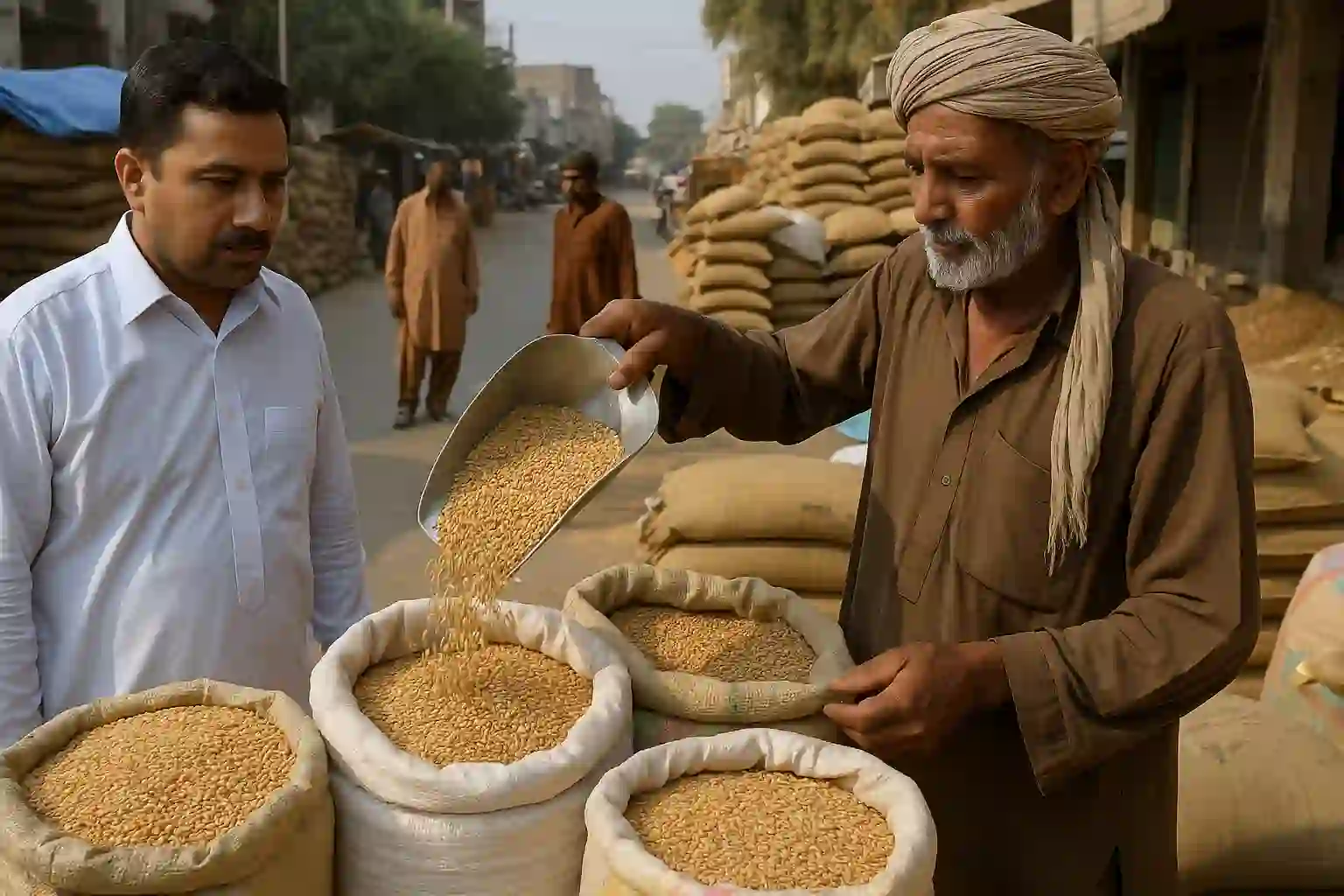
Pakistan Government Wheat system is once again facing major challenges as flour millers across Sindh continue to avoid government wheat and instead buy grain directly from the open market. The clear price gap, concerns about quality, and long government procedures have pushed millers toward private suppliers — creating serious pressure on Sindh’s food department.
The situation has reached the point where the Sindh Food Department has officially requested the provincial cabinet to reduce its wheat release price from Rs 9,500 to Rs 8,000–8,500 per 100kg, hoping to make government wheat competitive again.
Below is a full breakdown of the key differences and why millers are rejecting official stocks.
Why Millers Avoid Government Wheat
Flour mills and chakki owners say buying wheat from government godowns has become expensive and time-consuming. The official release price is Rs 9,500 per 100kg, but after adding:
- Loading charges
- Unloading labour
- Transportation
- Weighbridge deductions
…the total cost rises above Rs 10,000 per bag.
In comparison, the open market rate is Rs 9,400–9,500 per 100kg, inclusive of all expenses, making it instantly more attractive.
Millers report that:
- Government weighbridges are often faulty
- Grain quality is uncertain or mixed
- There are wastage and quantity deductions
- The buying process is slow and bureaucratic
- Advance payment via challan is required
- No guarantee on the quality of released stock
This has caused a complete shift toward the private market.

Why Millers Prefer Open Market Wheat
Private traders offer a seamless experience. Millers say they receive:
- A 102kg bag delivered to their doorstep
- After wastage deduction → exact 100kg net wheat
- Cleaner and healthier grain
- Credit-based buying, helping millers manage cash flow
- No labour cost, no extra transportation hassle
- Faster delivery and simpler process
This convenience has made government stocks nearly irrelevant unless rates are reduced.

Sindh Government Considers Lowering Wheat Release Price
Realizing the issue, the Sindh Food Department has requested the cabinet to cut the release price:
- Current price: Rs 9,500 per 100kg
- Proposed revised price: Rs 8,000–8,500 per 100kg
Food Secretary Bachal Rahpoto confirmed that lowering the price is necessary to:
- Clear old stock
- Create space for new wheat procurement
- Reduce the huge Rs 176 billion liability
- Minimize the Rs 2 billion annual markup on existing stocks
Sindh plans to procure 1.2 million tonnes of wheat for 2025–26, making it essential to empty godowns before April.

Stock Quality Concerns Continue
Millers strongly believe that government stocks require third-party validation because:
- Part of the stock is from 2022–23, damaged during heavy rainfall
- Fumigation claims have not been independently verified
- Adulteration or stale grain remains a major worry
- Only 1.27 million tonnes out of 1.34 million tonnes are considered “release-worthy”
Millers say open-market wheat is consistently cleaner and safer for consumption.

Impact on Karachi’s Flour Supply
According to APFMA (South Zone):
- Winter demand: 250,000 tonnes per month
- Summer demand: 200,000 tonnes per month
Most of this demand is currently being fulfilled through open-market suppliers.
Wheat Sowing & Farmer Subsidy Update (Sindh)
Sindh has achieved 43.6% sowing (1.4m acres) as of November 21, against a 3.2m acre target. To support farmers, the provincial government is distributing:
- DAP + Urea worth Rs 24,700 per acre
- Under the Rs 55 billion Wheat Cultivation Programme
This aims to boost wheat production for the upcoming harvest.
Conclusion – Pakistan Government Wheat vs Open Market Wheat
The price gap, quality concerns, slow procedures, and hidden costs have created a major disconnect between flour millers and the government’s wheat supply system. Open-market traders offer cleaner, cheaper, and more reliable grain — pushing millers away from official godowns.
Sindh’s move to reduce the government wheat price may help restore balance, but millers insist that quality checks, transparency, and efficiency reforms are equally important.