
Cabinet Approves Diversion of 45 LNG Cargoes – Pakistan Finalises New LNG Management Plan for 2026
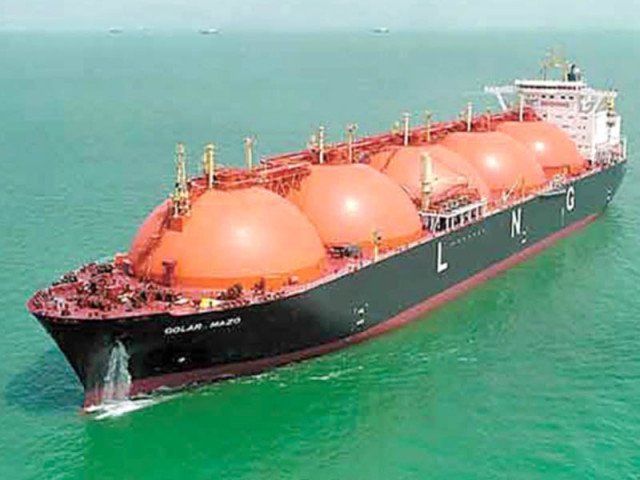
Pakistan’s federal cabinet has officially approved the diversion of 45 LNG cargoes after reviewing the country’s growing surplus LNG stocks and declining domestic gas consumption. The decision—originally taken by the Economic Coordination Committee (ECC)—was presented before the cabinet and has now been fully ratified.
The approval covers multiple agreements with State of Qatar and Eni, enabling Pakistan to resell surplus LNG cargoes during 2026 and 2027. This move is expected to reduce financial pressure on Pakistan State Oil (PSO), improve LNG portfolio management, and optimize supply-demand balancing.
This detailed article explains the full background, reasons, implications, and future outlook of the LNG diversion strategy, alongside expert insights and frequently searched keywords for readers.
What Does LNG Cargo Diversion Mean?
LNG cargo diversion simply means that Pakistan will sell or redirect LNG shipments originally meant for domestic consumers to other international buyers.
This happens when:
- Local gas demand is low
- There is surplus LNG in storage
- Import contracts require Pakistan to receive cargoes even when they are not needed
- Selling them becomes a financially better option
The Petroleum Division confirmed that PSO had more LNG than the country could consume, forcing authorities to find an optimal way to avoid storage overflow and financial losses.

Why Did Pakistan Approve Diversion of 45 LNG Cargoes?
According to the Petroleum Division, Pakistan’s natural gas demand has been persistently low across households, industries, and power plants. Key reasons include:

✓ Winter demand being weaker than expected
Normally, winter boosts gas consumption, but mild weather and conservation measures reduced overall use.
✓ Industries shifting to alternative fuels
Due to higher gas prices, industries switched to RLNG alternatives or reduced operations.
✓ Power plants using cheaper energy sources
In some cases, coal, hydel, and nuclear power replaced gas-fired electricity generation.
✓ Storage limitations
Pakistan does not have large LNG storage facilities, so surplus cargoes become a financial burden.
Approving LNG cargo diversion is a cost-saving measure to avoid unnecessary expenses and ensure better financial management for PSO and the government.

LNG Agreements with Qatar – What Has Been Finalised?
Pakistan negotiated with Qatar—its long-term LNG supplier—to resolve surplus supply challenges. Both sides agreed to a mutually beneficial solution.

Key Points of the Qatar Agreement:
- Pakistan can sell up to 24 LNG cargoes in 2026
- Diversion will be carried out on Net Proceeds Differential (NPD) basis
- NPD means Pakistan and Qatar will share profits or losses based on resale price
- Qatar agreed to flexible terms to help Pakistan manage surplus gas
This agreement shows Qatar’s strategic interest in maintaining long-term cooperation with Pakistan, especially since Qatar is Pakistan’s largest LNG supplier.
LNG Resale Deal with Eni – 21 Cargoes to Be Diverted
In addition to Qatar, Pakistan has struck another agreement with energy major Eni for LNG cargo diversion.
Details of the Eni Agreement:
- 11 LNG cargoes will be diverted during 2026
- 10 LNG cargoes will be diverted during 2027
- All trades will be executed on an NPD basis
This helps Pakistan avoid the burden of receiving unwanted shipments under long-term supply contracts.
What Is NPD (Net Proceeds Differential)? – Easy Explanation
Net Proceeds Differential means:
- If LNG is resold at a higher price → Pakistan gains money
- If sold at a lower price → Pakistan and supplier share the loss
- Both sides split the financial impact fairly
NPD-based diversion ensures Pakistan does not bear the full risk and gets a fair share of revenue from diverted cargoes.
Impact on Pakistan’s Energy Sector
1. Better Management of Surplus LNG
PSO avoids the cost of storing LNG or running plants inefficiently.
2. Reduced Circular Debt Pressure
LNG that sits unused increases government debt. Selling cargoes reduces financial strain.
3. Improved LNG Portfolio Planning
The decision gives Pakistan more flexibility in adjusting LNG imports according to seasonal demand.
4. Encourages Efficient Use of Gas
With surplus reduced, gas can be allocated properly to industries, power plants, and households.
5. Stabilises LNG Import Commitments
Pakistan must honor long-term supplier contracts; diversion helps avoid penalties or contract disputes.
Urea Sector Also Briefed During Cabinet Meeting
Apart from LNG cargo diversion, the cabinet also discussed supplying natural gas to two SNGPL-based urea plants:
- Fatima Fertiliser
- Agritech
Earlier, gas supply to these plants was allowed only till October 30, 2025, but ECC recommended extending it to December 31, 2025.
Why Is Gas Supply Important for Urea Plants?
- Pakistan’s agriculture relies heavily on fertilizer
- Gas is a key raw material in urea manufacturing
- Any shortage impacts crop yields and food prices
The cabinet agreed that long-term arrangements are being made for fertilizer sector gas supply, so no additional price deliberations are needed.
How LNG Diversion Will Help Pakistan’s Economy
✓ Reduces Import Bill
Unused LNG affects Pakistan’s balance of payments; selling it reduces losses.
✓ Supports Rupee Stability
Foreign exchange from resale can support the currency.
✓ Boosts Investor Confidence
Clear decision-making shows improved governance in the energy sector.
✓ Avoids Energy Waste
Unused LNG is better monetized than wasted in idle storage.
Global LNG Market Advantage for Pakistan
Pakistan can benefit from the global LNG market because:
- Demand in Europe and Asia may rise in 2026–2027
- Prices are expected to fluctuate, giving Pakistan resale opportunities
- Suppliers like Qatar and Eni are open to helping Pakistan manage supply shocks
This positions Pakistan to act smartly in the LNG trading market, something the country rarely benefits from.
Challenges Pakistan Still Faces
Even with LNG cargo diversion, Pakistan must address:
• Limited LNG storage
Without strategic storage capacity, surplus issues will continue.
• High LNG contract prices
Old long-term contracts may be expensive during low-demand phases.
• Declining domestic gas reserves
Pakistan’s natural gas fields are depleting faster than expected.
• Industrial slowdown
Weak industrial demand impacts energy efficiency.
Addressing these areas is essential for long-term energy security.
Future Outlook – Will LNG Demand Rise Again?
Experts believe Pakistan’s LNG requirements may increase due to:
- Expansion of industrial production
- Growing urban population
- Upgradation of power plants
- Phase-out of furnace oil–based electricity
But for now, LNG demand remains thin, making diversion a smart temporary decision.
Conclusion
The federal cabinet’s approval to divert 45 LNG cargoes marks a major strategic shift in Pakistan’s energy management. With domestic gas demand weakening, Pakistan is using international resale options to minimize financial losses, stabilize energy planning, and optimise LNG procurement contracts.
Agreements with Qatar and Eni provide Pakistan the flexibility to redirect surplus cargoes through Net Proceeds Differential (NPD) trading, offering financial protection and operational ease.
The decision also aligns with broader energy sector reforms aimed at improving governance, reducing circular debt, and ensuring sustainable fuel supply to key industries like fertilizers.
Pakistan’s LNG future now depends on smart planning, timely contract renegotiations, and long-term solutions to domestic gas supply challenges.
Frequently Asked Questions FAQs
1. Why did Pakistan divert 45 LNG cargoes?
Because domestic gas demand is low, and PSO has surplus LNG that cannot be consumed or stored economically.
2. What is NPD (Net Proceeds Differential)?
NPD means resale profits or losses will be shared between Pakistan and the LNG supplier.
3. How many LNG cargoes will Qatar allow Pakistan to divert?
Qatar has allowed diversion of 24 cargoes in 2026.
4. What is Pakistan’s agreement with Eni about?
Pakistan will divert 21 cargoes from Eni between 2026 and 2027 on NPD terms.
5. Will LNG prices decrease in Pakistan after cargo diversion?
Not necessarily. Diversion helps reduce financial pressure but may not directly lower consumer gas tariffs.