Pakistan to Begin Free Childhood Cancer Drug Supply at Four Hospitals by 2026
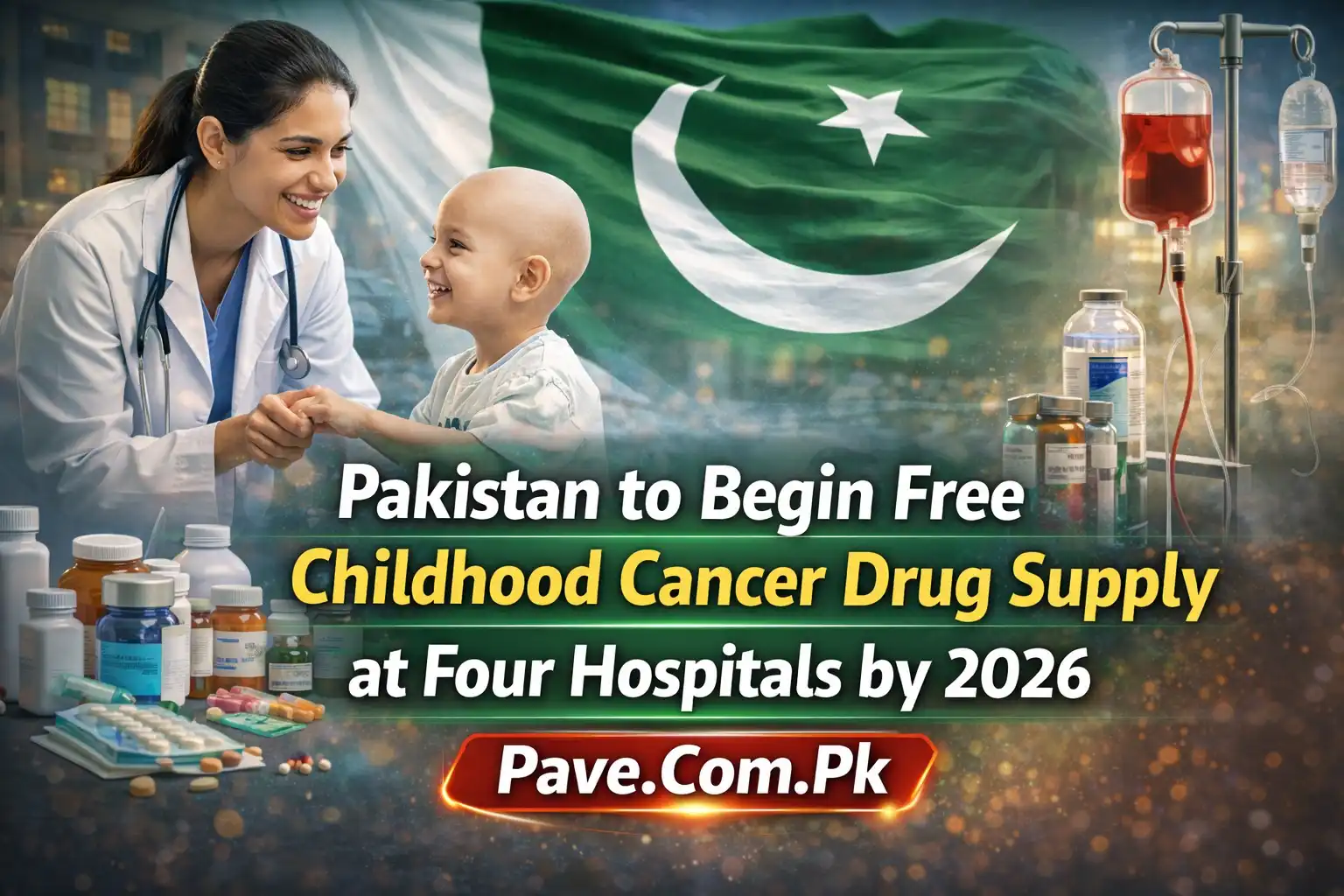
Islamabad, February 14, 2026: Four hospitals in Pakistan are finalizing preparations to receive free childhood cancer medicines by the end of 2026 under a partnership with the World Health Organization (WHO). The development was confirmed through an official press release issued on Thursday.
The initiative is being implemented through the Global Platform for Access to Childhood Cancer Medicines and aims to improve access to life-saving cancer treatment for children across Pakistan.
With more than 8,000 new childhood cancer cases diagnosed annually, this programme is expected to significantly strengthen pediatric oncology care in the country.
In this detailed article, we will explain free cancer medicines for children in Pakistan, WHO partnership details, childhood cancer statistics, hospital preparedness, future expansion plans, and impact on families, written in easy English.
Overview of the Initiative
The programme focuses on ensuring that children diagnosed with cancer receive timely and quality-assured medicines without financial burden.
Key objectives include:
- Improving access to essential cancer medicines
- Reducing treatment interruptions
- Supporting public hospitals
- Strengthening pediatric oncology infrastructure
Search trends include:
- Free cancer medicines Pakistan
- WHO childhood cancer program
- Childhood cancer treatment Pakistan
- Pediatric oncology hospitals Pakistan
- Cancer medicine support 2026

Why Childhood Cancer Treatment Is Critical
Childhood cancer is a serious health challenge in Pakistan.
According to health authorities:
- Over 8,000 new cases are diagnosed every year
- Many families struggle to afford treatment
- Medicine shortages often delay therapy
- Early diagnosis improves survival rate
Common childhood cancers include:
- Leukemia
- Lymphoma
- Brain tumors
- Bone cancer
- Wilms tumor
Timely access to medicines plays a vital role in saving lives.
Role of the World Health Organization
The World Health Organization has partnered with Pakistan to ensure:
- Supply of quality-assured cancer medicines
- Standardized treatment protocols
- Improved survival outcomes
- Sustainable access to essential drugs
This initiative is part of WHO’s broader global strategy to improve childhood cancer survival rates in low- and middle-income countries.

Global Platform for Access to Childhood Cancer Medicines
The Global Platform for Access to Childhood Cancer Medicines is designed to:
- Negotiate better prices for cancer medicines
- Ensure reliable supply chains
- Distribute essential medicines to public health facilities
By centralizing procurement and distribution, the programme reduces cost barriers for countries like Pakistan.

Four Hospitals Preparing to Receive Medicines
Four public hospitals in Pakistan are currently completing final arrangements to receive the first batch of medicines by the end of 2026.
Preparations include:
- Storage facility upgrades
- Cold chain management systems
- Staff training
- Treatment protocol alignment
The names of the hospitals have not yet been officially disclosed, but authorities confirmed they are public health institutions specializing in pediatric oncology.
Expansion Plan for 2027
Authorities also announced that:
- Seven additional treatment centers are expected to become ready by 2027
This expansion will:
- Increase national coverage
- Improve regional access
- Reduce travel burden for families
- Strengthen nationwide cancer care network
Search trends include:
- Childhood cancer centers Pakistan
- WHO cancer program expansion
- Free pediatric cancer treatment
Financial Relief for Families
Cancer treatment can cost millions of rupees, placing immense financial stress on families.
The free medicine initiative will help:
- Reduce out-of-pocket expenses
- Improve treatment continuity
- Increase survival chances
- Lower child mortality rates
Families from low-income backgrounds will benefit the most.
Importance of Quality-Assured Medicines
One of the key goals of the programme is ensuring quality assurance.
This means:
- Internationally approved medicines
- Safe and effective treatment
- Reduced risk of counterfeit drugs
- Standardized therapy protocols
Reliable medicine supply prevents interruptions in chemotherapy cycles.
Pakistan’s Healthcare Challenges
Pakistan faces several healthcare challenges:
- Limited oncology infrastructure
- Shortage of specialized doctors
- Inadequate funding
- Delayed diagnosis in rural areas
This WHO partnership represents a major step toward addressing these challenges.
Government’s Role in Implementation
The government will:
- Coordinate hospital selection
- Monitor medicine distribution
- Ensure transparency
- Strengthen public healthcare facilities
Collaboration between federal and provincial health departments is essential for success.
Impact on Survival Rates
Globally, childhood cancer survival rates in high-income countries exceed 80 percent. However, in many developing countries, survival rates remain lower due to limited access to treatment.
With improved medicine availability:
- Survival rates in Pakistan may improve
- Treatment completion rates may rise
- Early intervention outcomes may strengthen
Community Awareness & Early Detection
Experts emphasize the need for:
- Early diagnosis campaigns
- Awareness programs in schools
- Training for primary healthcare workers
- Parental education about symptoms
Early detection significantly increases survival chances.
International Collaboration
This initiative reflects growing international cooperation in healthcare.
The WHO partnership demonstrates:
- Global solidarity
- Shared health responsibility
- Focus on vulnerable populations
Childhood cancer care requires both medical and policy-level commitment.
Future Outlook
By 2027, with eleven hospitals included in the programme, Pakistan’s pediatric oncology landscape could see meaningful improvement.
Key expected outcomes:
- Better drug availability
- Improved hospital preparedness
- Reduced mortality
- Strengthened national cancer care system
Continued investment and monitoring will be crucial.
Conclusion
The announcement that four hospitals will receive free childhood cancer medicines under a WHO partnership marks a significant step forward in Pakistan’s healthcare system. With over 8,000 new childhood cancer cases annually, the need for accessible and affordable treatment is urgent.
Through the Global Platform for Access to Childhood Cancer Medicines, Pakistan is set to strengthen pediatric oncology services and expand treatment access nationwide by 2027.
This initiative offers hope to thousands of families and reflects a commitment to improving child health outcomes across the country.