Pakistan to Hold IMF Review Talks in March 2026 for Loan Tranches
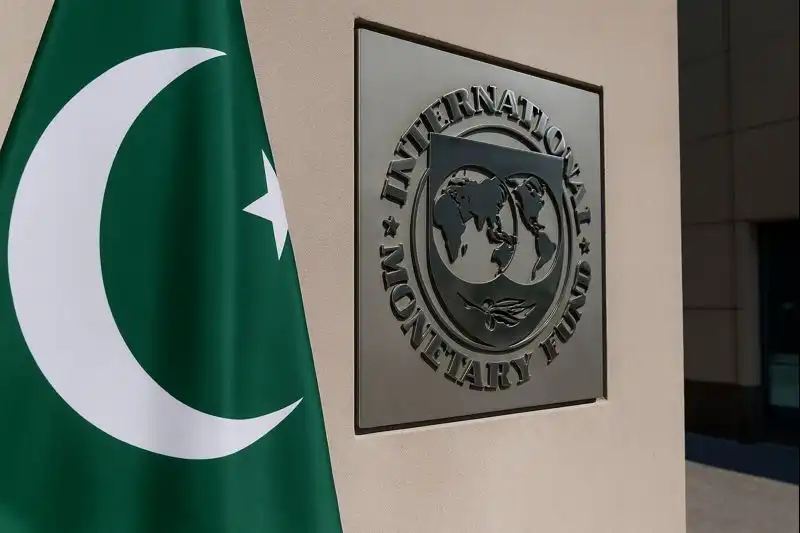
Pakistan is expected to hold its next round of review talks with the International Monetary Fund (IMF) in March 2026, according to informed sources. These talks will be crucial for Pakistan’s economy as they will determine the release of upcoming loan tranches under two major IMF-supported programs.
Officials say the discussions will be conducted simultaneously for the Extended Fund Facility (EFF) and the Climate Financing Facility (CFF). The IMF reviews will assess Pakistan’s economic performance during the first half of the current fiscal year, making the outcome highly important for the country’s financial stability.
Simultaneous Reviews Under Two IMF Programs
Sources told pave.com.pk that Pakistan is currently engaged in two IMF loan programs at the same time, an arrangement reflecting both economic pressures and climate-related financing needs.
The March 2026 talks will include:
- Third review under the Extended Fund Facility (EFF)
- Second review under the Climate Financing Facility (CFF)
A positive conclusion of these reviews will unlock fresh funds for Pakistan at a time when external financing remains critical.
Third Review Under Extended Fund Facility
Under the $7 billion Extended Fund Facility agreement, Pakistan will undergo its third formal review. If the IMF is satisfied with the country’s compliance and reform progress, Pakistan will become eligible to receive the fourth loan tranche under the program.
The EFF is Pakistan’s primary economic stabilization framework with the IMF. It focuses on:
- Maintaining fiscal discipline
- Reducing budget and current account deficits
- Improving tax collection and broadening the tax base
- Reforming state-owned enterprises
- Addressing energy sector inefficiencies
IMF officials are expected to closely monitor revenue targets, expenditure controls, and policy consistency during the review.
Second Review of Climate Financing Facility
Alongside the EFF review, Pakistan will also face the second review of the Climate Financing Facility, a $1.4 billion program aimed at supporting climate resilience and sustainable development.
This facility is particularly important for Pakistan due to its vulnerability to climate change. The IMF-backed program supports:
- Climate adaptation and mitigation measures
- Disaster risk reduction
- Sustainable infrastructure planning
- Integration of climate policy into economic reforms
Successful completion of this review will allow Pakistan to receive the second tranche under the climate financing arrangement.

Why the March 2026 IMF Talks Matter
The IMF review talks scheduled for March 2026 are seen as highly significant for Pakistan’s economic outlook. The release of loan tranches under both programs will provide much-needed foreign exchange inflows and help stabilize the country’s balance of payments.
Officials believe a successful review will:
- Strengthen Pakistan’s foreign exchange reserves
- Improve investor confidence
- Support currency stability
- Ease pressure on external debt repayments
Any delay or negative outcome, however, could create additional challenges for the economy and financial markets.

Pakistan’s Ongoing Economic Reforms
Pakistan entered the IMF programs to stabilize its economy after facing persistent fiscal deficits, rising inflation, and external financing pressures. The government has since implemented a range of reforms under IMF guidance.
Key reform areas include:
- Tax reforms and revenue enhancement
- Reduction in energy sector losses
- Market-based exchange rate policies
- Rationalization of subsidies
- Strengthening public financial management
IMF officials have repeatedly emphasized the importance of maintaining reform momentum, especially during politically sensitive periods.

IMF Funds Received So Far
So far, Pakistan has received a combined total of $3.3 billion from the IMF under both the Extended Fund Facility and the Climate Financing Facility.
These funds have helped Pakistan:
- Meet external financing requirements
- Support the balance of payments
- Stabilize the macroeconomic environment
- Avoid immediate default risks
However, authorities acknowledge that continued IMF support remains necessary to ensure economic recovery and long-term stability.

Government’s View on IMF Conditions
The federal government has maintained that IMF-backed reforms are not entirely new conditions, but rather part of long-standing structural adjustments needed for economic sustainability.
Officials argue that many reforms, including tax broadening and energy pricing adjustments, are essential for reducing reliance on external borrowing and strengthening domestic revenue.
Climate Financing and Pakistan’s Vulnerability
Pakistan is among the countries most affected by climate change despite contributing minimally to global emissions. Extreme weather events, including floods and heatwaves, have caused severe economic and social damage in recent years.
The Climate Financing Facility aims to help Pakistan:
- Build climate-resilient infrastructure
- Improve disaster preparedness
- Strengthen environmental governance
- Align economic planning with climate goals
The IMF considers climate resilience an important part of macroeconomic stability, particularly for vulnerable economies like Pakistan.
Challenges Ahead Before the IMF Review
Despite progress, Pakistan still faces several challenges ahead of the March 2026 review talks. These include:
- Maintaining fiscal discipline amid political pressure
- Meeting ambitious revenue targets
- Controlling inflation
- Managing energy sector reforms
- Ensuring continuity of economic policies
Analysts believe meeting IMF benchmarks consistently will be key to avoiding delays in tranche releases.
Market and Investor Expectations
Financial markets closely track IMF engagements, as successful reviews often signal economic stability and policy credibility. A positive outcome in March 2026 could improve Pakistan’s access to international markets and multilateral financing.
Conversely, uncertainty around IMF reviews tends to increase market volatility and pressure on the local currency.
Conclusion – Pakistan to Hold IMF Review Talks in March 2026 for Loan Tranches
Pakistan’s upcoming IMF review talks in March 2026 will be a decisive moment for the country’s economic path. With reviews of both the Extended Fund Facility and the Climate Financing Facility scheduled at the same time, the stakes are high.
A successful outcome will unlock fresh loan tranches, strengthen economic confidence, and support ongoing reforms. As Pakistan continues to navigate fiscal challenges and climate risks, the IMF reviews will play a central role in shaping the country’s financial stability in the months ahead.