Petrol Prices Likely to Rise as Government Considers Rs. 5 Per Litre Levy Hike
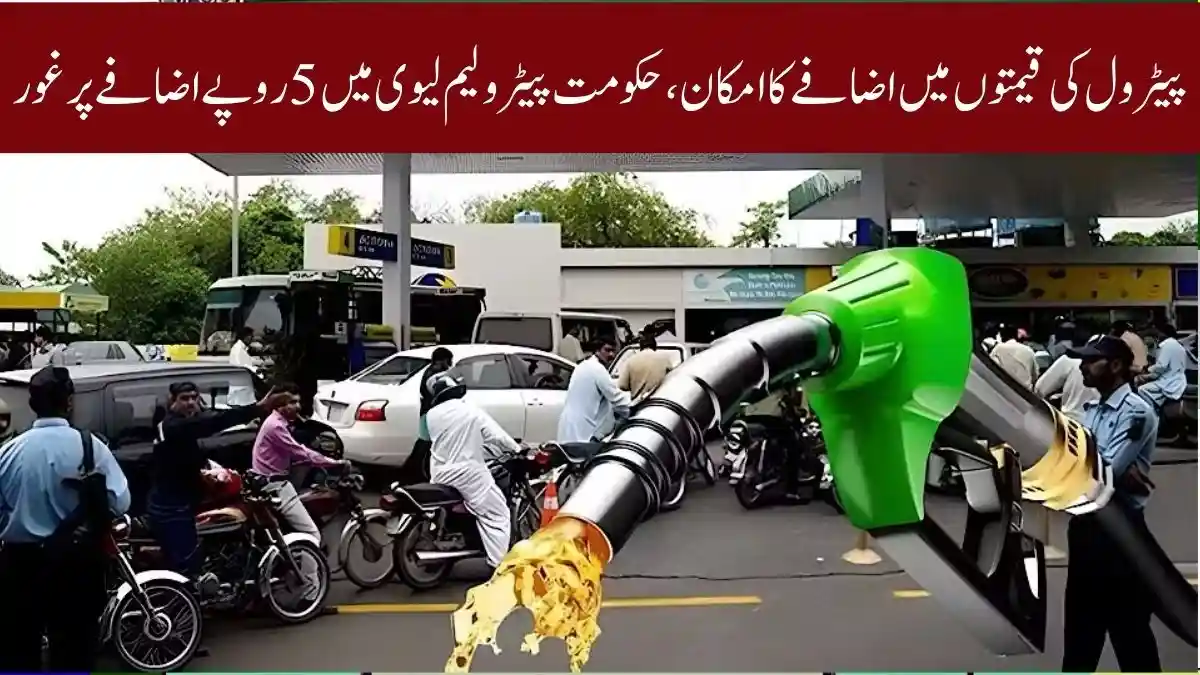
Petrol prices in Pakistan are likely to increase as the federal government is considering raising the petroleum levy by Rs. 5 per litre. The proposed increase is part of a broader plan to retire the country’s growing gas sector circular debt, which has reached alarming levels.
According to reports, the proposal was reviewed at the level of Finance Minister Muhammad Aurangzeb and aims to generate additional revenue to help clear Rs. 1.7 trillion in gas sector liabilities. However, the plan will require approval from the federal cabinet and the International Monetary Fund (IMF) before it can be implemented.
If approved, the move will add further financial pressure on consumers already struggling with high inflation, rising utility bills, and increasing fuel costs.
Proposed Increase in Petroleum Levy
Under the proposal, the existing petroleum levy on fuel products will be revised upward:
- Petrol levy may increase from Rs. 79.62 to around Rs. 85 per litre
- High-speed diesel levy could rise from Rs. 75 to approximately Rs. 80 per litre
The government expects the increase to generate nearly Rs. 540 billion over the coming years. This revenue will be used specifically to help retire the principal amount of gas sector circular debt.
Officials have clarified that the levy hike will not be a one-time measure but part of a long-term strategy to stabilize the gas sector’s finances.

Why Is the Levy Being Increased?
Pakistan’s gas sector has been facing serious financial challenges for years due to:
- Below-cost gas tariffs in the past
- High system losses
- Inefficient recovery
- Delayed payments by consumers and government entities
As of the end of June, the total gas sector circular debt is estimated at around Rs. 3.3 trillion, including nearly Rs. 1.5 trillion in late payment surcharges.
Unlike the power sector, the gas sector does not have a dedicated surcharge mechanism to service its debt. This lack of a structured repayment system has forced the government to explore alternative revenue options, including increasing petroleum levies.

Six-Year Plan to Retire Gas Sector Debt
Government sources revealed that the plan aims to retire Rs. 1.7 trillion in principal debt over six years. The remaining amount consists of late payment surcharges, which the government hopes to manage through negotiations and possible waivers.
Officials stressed that debt retirement will only be possible if gas tariffs remain cost-reflective, ensuring that no fresh circular debt accumulates in the future.
The success of the plan also depends on strict financial discipline and improved governance within gas distribution companies.
Use of Dividends from State-Owned Companies
In addition to the petroleum levy hike, the government plans to rely heavily on dividends from state-owned oil and gas companies. According to the proposal:
- Rs. 680 billion will be raised through dividends
- Oil and Gas Development Company Limited (OGDCL) is expected to contribute over Rs. 250 billion
- Pakistan Petroleum Limited (PPL) may provide around Rs. 230 billion
- Government Holding Private Limited (GHPL) is likely to contribute close to Rs. 200 billion
Petroleum Minister Ali Pervaiz Malik stated that using dividends has become necessary due to the absence of guaranteed revenue streams in the gas sector.
Savings from LNG Diversion
The plan also includes using savings generated by diverting imported liquefied natural gas (LNG) cargoes. Officials estimate:
- Rs. 415 billion can be saved through LNG diversion
- An additional Rs. 75 billion may be recovered through various adjustments
The Petroleum Division has recommended that these savings be utilized for debt retirement rather than passing relief on to consumers through lower gas prices.
This proposal, however, has sparked debate, as many believe consumers should benefit directly from any savings.
Finance Division’s Concerns
While the Finance Division has broadly supported the proposal, it has raised concerns regarding:
- The six-year timeframe for debt retirement
- Whether dividend income should be treated as part of the regular budget or considered an additional resource
Finance officials fear that relying too heavily on dividends may affect fiscal planning and reduce funds available for development spending.
IMF’s Role and Conditions
The IMF has consistently emphasized the need to reduce circular debt in both the power and gas sectors. In its staff-level report, the IMF noted that:
- Gas sector principal debt fell by Rs. 86 billion last year due to cost-reflective tariffs
- Overall debt still increased because of rising late payment surcharges
The Fund has urged Pakistan to focus on stock retirement, timely tariff adjustments, and structural reforms to prevent future debt accumulation.
The proposed petroleum levy hike is part of the broader reform agenda agreed with the IMF under Pakistan’s ongoing financial program.
Conditions for Debt Settlement
Officials said that retiring the gas sector circular debt would be conditional upon creditors agreeing to waive interest on late payment surcharges. This approach mirrors the strategy previously used in the power sector.
Without such waivers, the government fears that debt servicing costs may continue to rise despite repayments.
Impact on Consumers
If implemented, the petroleum levy increase will directly impact consumers nationwide. Higher petrol and diesel prices are expected to:
- Increase transportation costs
- Push up food and commodity prices
- Add to overall inflation
Transporters and industry representatives have already expressed concerns, warning that frequent fuel price hikes could further slow economic activity.
However, government officials argue that stabilizing the gas sector is necessary to avoid larger financial shocks in the future.
Final Approval Still Pending
The finance ministry spokesperson confirmed that consultations between the Finance Division and Petroleum Division are still ongoing. A finalized plan will be submitted to the federal cabinet for approval in the coming weeks.
Only after cabinet approval and IMF clearance will the proposed petroleum levy hike be implemented.
Conclusion – Petrol Prices Likely to Rise Petroleum Levy Hike December
Petrol prices in Pakistan are likely to rise as the government weighs a Rs. 5 per litre increase in the petroleum levy to tackle the country’s growing gas sector circular debt. While the move may help improve financial stability and satisfy IMF conditions, it will place additional burden on consumers already facing economic hardship.
The final decision now rests with the federal cabinet and international lenders, with millions of motorists closely watching the outcome.