Petrol Prices Likely to See A Massive Surge on 1st February
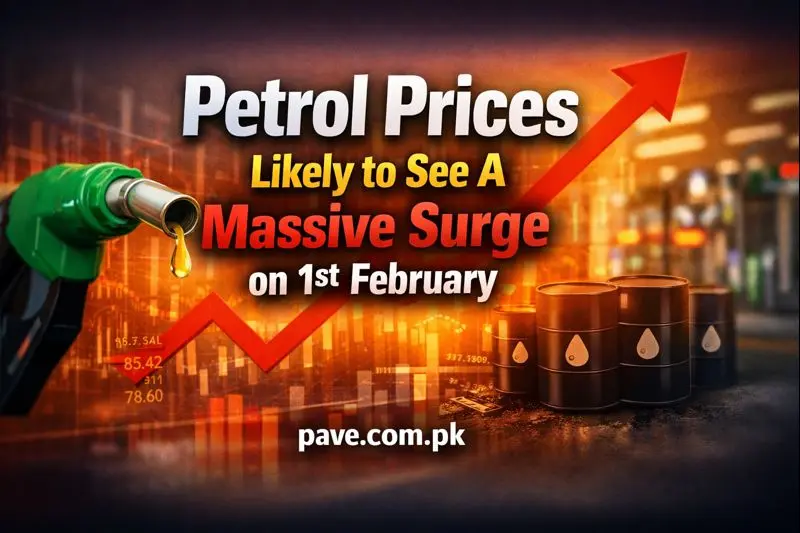
As Pakistan moves closer to 1st February, concerns are rising among the public regarding a possible sharp increase in petrol prices. Fuel prices in the country have always been a sensitive issue, as they directly affect daily life, transportation costs, and overall inflation. This time as well, early estimates and market indicators suggest that petrol prices may see a noticeable surge when the new pricing cycle comes into effect.
Petrol prices in Pakistan are revised on a fortnightly basis, and any change usually reflects international oil prices, exchange rate movements, and government-imposed levies. Over the past few weeks, global oil markets have shown upward pressure, while the local currency has faced stability challenges. These factors together are creating expectations of a fresh hike in petrol prices from the beginning of February.
Why Petrol Prices Are Expected to Increase
There is no single reason behind the expected increase in petrol prices. Instead, several economic and market factors are working together.
One major factor is the rise in international crude oil prices. Global oil markets have remained unstable due to supply concerns, geopolitical tensions, and production decisions by major oil-producing countries. Since Pakistan imports most of its petroleum products, any increase in global prices directly affects local fuel costs.
Another key factor is the exchange rate. Even small fluctuations in the value of the Pakistani rupee against the US dollar can have a strong impact on petrol prices. When the rupee weakens, the cost of importing fuel increases, which ultimately gets passed on to consumers.
In addition to this, government taxes and levies play an important role. Petrol prices include petroleum development levy, customs duties, and margins for oil companies and dealers. Any adjustment in these components can push prices upward, even if international rates remain stable.

Expected Petrol Price from 1st February
According to market assessments and industry estimates, petrol prices could increase by Rs. 3 to Rs. 5 per litre from 1st February. If this happens, the price of petrol may cross another psychological level, further tightening household budgets.
Although the final decision rests with the federal government, such increases are often approved to align local prices with international trends and meet revenue targets. The official notification is usually issued just a few hours before the new prices take effect.

Impact on the General Public
A petrol price hike does not only affect vehicle owners. Its impact spreads across almost every sector of the economy.
For daily commuters, especially motorbike riders and small car owners, higher petrol prices mean increased monthly expenses. Many households already allocate a significant portion of their income to fuel, and any increase further reduces their purchasing power.
Public transport operators may also feel the pressure. While petrol is mainly used in private vehicles, rising fuel costs often result in higher fares, as transporters try to manage increased operational expenses. This directly affects office workers, students, and low-income individuals who rely on public transport.
Effect on Inflation and Cost of Living
Fuel prices are closely linked with inflation in Pakistan. When petrol becomes expensive, transportation costs rise, and this leads to higher prices of essential goods such as vegetables, fruits, milk, and groceries. Traders often pass on increased transport costs to consumers, which contributes to overall price hikes.
Businesses that depend on logistics and delivery services also face higher expenses. These costs are eventually reflected in the prices of goods and services, adding further pressure on consumers already struggling with high living costs.

Economic Challenges and Government Decisions
The government faces a difficult balancing act when revising petrol prices. On one hand, maintaining lower fuel prices helps control inflation and public dissatisfaction. On the other hand, keeping prices artificially low increases the fiscal burden and reduces government revenue.
Pakistan’s commitments related to economic reforms and revenue generation often influence fuel pricing decisions. Petroleum products remain one of the major sources of government income, and price adjustments are sometimes unavoidable to meet budgetary requirements.
How Petrol Prices Are Decided
Petrol prices in Pakistan are calculated using a specific formula. This includes:
- International petrol prices
- Import costs and freight charges
- Exchange rate impact
- Petroleum development levy
- Dealer and oil company margins
The Oil and Gas Regulatory Authority prepares a price summary based on these factors and submits it to the government. After approval, the new prices are announced for the next 15 days.
This system means that even if global prices increase slightly, local prices can still rise sharply due to currency movements or tax adjustments.
Public Reaction and Concerns
Every petrol price hike triggers strong public reaction. Social media platforms are often filled with criticism, as people express frustration over rising expenses and stagnant incomes. Many citizens believe fuel price increases affect the poor and middle class the most, while wages remain unchanged.
Small business owners, delivery riders, and freelancers who depend on personal vehicles are particularly vulnerable. For them, fuel costs directly impact earnings and profitability.
Possible Relief Measures
While large price reductions are unlikely, the government sometimes provides limited relief by adjusting levies or delaying full price hikes. However, such measures are usually temporary and depend on fiscal space.
Experts suggest that long-term solutions lie in improving public transport, promoting fuel-efficient vehicles, and reducing dependency on imported fuel. Until then, petrol price fluctuations will continue to affect the economy and household budgets.
What Consumers Can Do
In times of rising fuel prices, consumers often look for ways to manage expenses. Carpooling, reducing unnecessary travel, and maintaining vehicles properly can help improve fuel efficiency. Many people also consider switching to motorcycles or smaller vehicles to reduce fuel consumption.
Businesses, on the other hand, may need to reassess delivery routes and operational strategies to manage rising transport costs.
Final Decision Still Awaited
It is important to note that the petrol price increase from 1st February is not yet officially confirmed. The final prices will only be known once the government issues an official notification. However, based on current trends, a price hike appears likely.
Citizens are advised to stay updated and plan their budgets accordingly. Any change in petrol prices has wide-reaching effects, and early preparation can help reduce financial stress.
Conclusion – Petrol Prices Likely to See A Massive Surge on 1st February
Petrol prices in Pakistan are expected to see a significant increase from 1st February, driven by international oil market trends, exchange rate pressure, and government levies. If approved, the hike will further raise transportation costs and contribute to inflation at a time when households are already facing financial challenges.
While the final decision is still pending, past trends suggest that fuel prices are unlikely to remain unchanged. As always, petrol price revisions remain a critical issue for the economy and the everyday lives of millions of Pakistanis.