President PML-N Muhammed Nawaz Sharif Approves Gujranwala Mass Transit Project
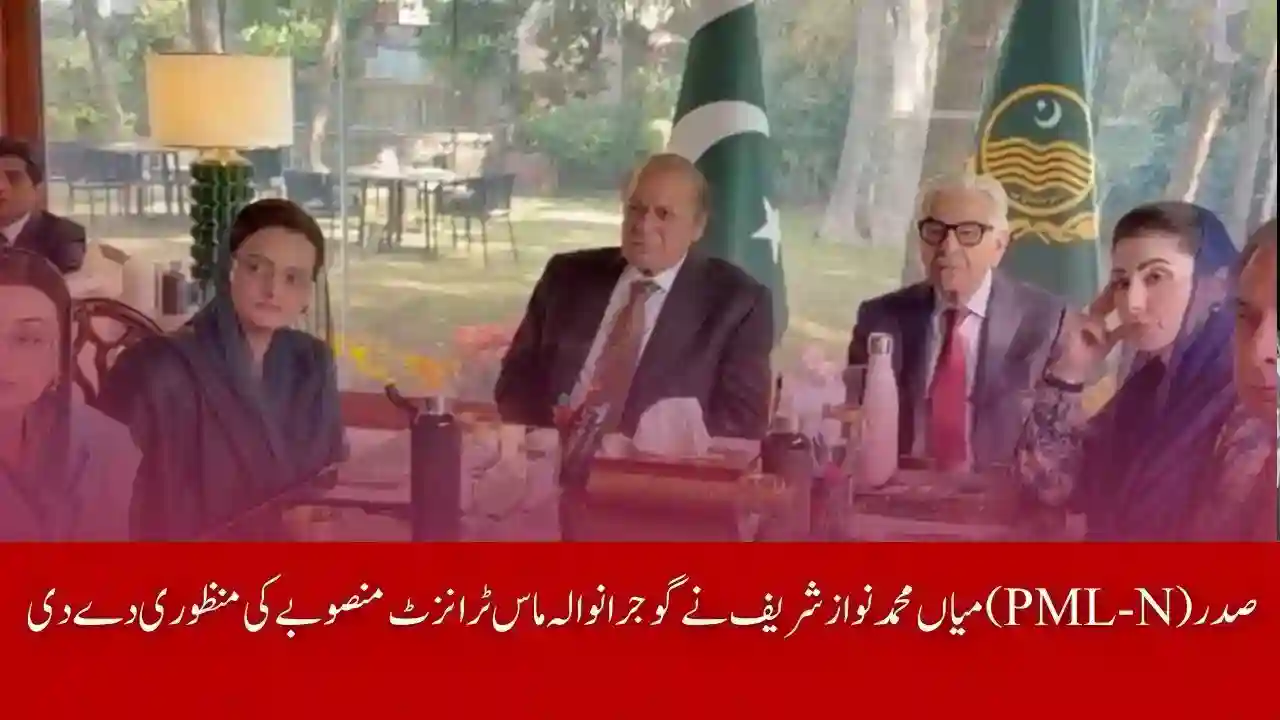
President PML-N Muhammed Nawaz Sharif has officially approved the Gujranwala Mass Transit Project, marking a historic milestone for one of Pakistan’s largest industrial cities. The project aims to modernize urban mobility, reduce traffic congestion, promote eco-friendly transport, and strengthen economic activity across Gujranwala and adjoining areas.
This article covers the project overview, route plan, development phases, expected benefits, economic impact, government vision, and frequently asked questions based on public interest.
Overview of the Gujranwala Mass Transit Project – Modern Urban Transport for a Growing City
Gujranwala, the “City of Wrestlers” and a major industrial hub, has long required a structured mass transit system due to its rapid urbanization. With Nawaz Sharif’s approval, the project is now included in the priority infrastructure list for Punjab.
Key Objectives of the Gujranwala Mass Transit System
- Provide fast, safe, and affordable transport
- Reduce daily traffic jams on major routes
- Support workers and industrial labor mobility
- Reduce pollution through modern, fuel-efficient fleets
- Boost economic and commercial development
- Improve quality of life for residents
Project Highlights – What Nawaz Sharif’s Approval Means for Gujranwala
President PML-N Nawaz Sharif’s approval ensures:
- Allocation of funds in upcoming development budgets
- Early initiation of feasibility and design finalization
- Prioritization under Punjab’s urban transport strategy
- Collaboration between Punjab Mass Transit Authority (PMTA), NESPAK & local administration
- Integration with future Bus Rapid Transit (BRT) extensions
This approval demonstrates PML-N’s ongoing commitment to public transport solutions similar to Metro Bus and Orange Line in Lahore and Rawalpindi-Islamabad Metro.
Gujranwala Mass Transit Route Plan – Proposed Corridors & Stops
Although the final route will be confirmed after detailed feasibility, the proposed main transit corridor is expected to cover:
- G.T Road to Satellite Town
- Katchery Chowk to Khiali Bypass
- Sialkot Bypass to Gondlanwala
- Punjab University Campus to Rahwali
Potential Key Stations
- Chand da Qila
- Sialkot Bypass
- Jinnah Road
- Railway Station
- Model Town
- Gondlanwala Road
- DC Office
- Rahwali Cantt
The project is expected to follow a BRT model, with dedicated lanes, high-capacity buses, and smart digital ticketing systems.
Development Phases – Step-by-Step Implementation Plan
Phase 1: Feasibility & Design
- NESPAK-led route study
- Environmental and economic impact assessments
- Land requirement analysis
Phase 2: Infrastructure Development
- Construction of dedicated bus lanes
- Development of elevated/ground-level tracks
- Creation of modern, air-conditioned bus stations
- Installation of e-ticketing and surveillance systems
Phase 3: Fleet Procurement
- Purchase of energy-efficient buses
- Introduction of hybrid or electric bus models
Phase 4: Trial Run & Launch
- Testing service operations
- Ensuring safety, punctuality, and route efficiency
- Public inauguration ceremony

Economic Impact of the Gujranwala Mass Transit Project
1. Boost to Industrial Productivity
Workers will travel faster between industrial zones, factories, and residential areas, increasing productivity and reducing late arrivals.
2. Job Creation
Thousands of direct and indirect jobs will be created in:
- Construction
- Operations
- Transport management
- Maintenance
3. Commercial Growth
Businesses along transit routes will see significant customer growth — similar to commercial expansion seen along Metro Bus corridors in Lahore.
4. Increased Property Value
Real estate prices around mass transit routes typically rise 20–30% after infrastructure development.
Environmental & Social Benefits
Cleaner & Greener Transport
Introducing energy-efficient buses will reduce:
- Carbon emissions
- Fuel consumption
- Air pollution
Improved Urban Mobility
With fewer private vehicles on the road, the city will experience:
- Lower traffic congestion
- Improved road safety
- Better travel reliability
Enhanced Quality of Life
Residents, students, women, and office workers will benefit from:
- Safe transport
- Affordable fares
- Reliable schedules
- Comfortable travel
Government Vision – Building a Modern, Connected Punjab
Nawaz Sharif has repeatedly emphasized the need to transform Punjab into a smart, connected, and economically competitive region. This project is part of the broader vision to improve:
- Urban transportation
- Infrastructure development
- Industrial connectivity
- Public welfare initiatives
The Gujranwala Mass Transit Project is expected to replicate the success of PML-N’s earlier transit systems across Punjab.
Conclusion
The approval of the Gujranwala Mass Transit Project by PML-N President Nawaz Sharif marks a major step toward modernizing the city’s transportation landscape. With advanced infrastructure, eco-friendly buses, and enhanced connectivity, this project will significantly benefit residents, industries, and the overall economy. Once completed, it will position Gujranwala among Pakistan’s top well-connected and modern cities.
FAQs – Gujranwala Mass Transit Project
1. What is the Gujranwala Mass Transit Project?
A modern transport system designed to provide fast, safe, and affordable mobility across Gujranwala through dedicated transit routes.
2. Who approved the project?
President PML-N Muhammed Nawaz Sharif approved the project as part of Punjab’s urban transport development plan.
3. When will the project start?
Development is expected to begin after the completion of feasibility and design phases.
4. What routes will the transit system cover?
Proposed routes include G.T Road, Sialkot Bypass, Railway Station, Chand da Qila, Rahwali, and Model Town, subject to feasibility confirmation.
5. What are the main benefits for the public?
Reduced traffic, affordable fares, cleaner transport, better connectivity, job creation, and improved commercial activity.