
Private Hajj Pakistan 2026: Mina and Arafat Arrangements Completed
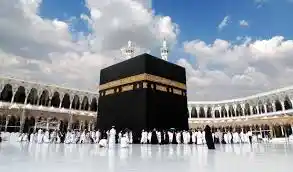
This year, Pakistani non-governmental Hajj pilgrims can rejoice as Private Hajj operators have successfully completed all required arrangements and payments to Saudi Arabia ahead of the official deadline. Authorities and operators have ensured that every private pilgrim from Pakistan will be able to perform Hajj without any last-minute hurdles, restoring confidence after last year’s disruptions.
The government had set December 31, 2025, as the deadline for private Hajj tour operators to transfer the necessary funds to Saudi Arabia. Early action by operators has ensured that all funds, accommodation, food, and other essential services for pilgrims are fully secured. This proactive approach marks a significant improvement compared to the previous year, when 63,000 Pakistani pilgrims were unable to perform Hajj due to delayed fund transfers.
Private Hajj Operators Complete All Payments
According to officials, private Hajj tour operators have transferred 100% of the funds required for pilgrims’ services in Saudi Arabia. These funds cover all aspects of the pilgrimage, including accommodation in Makkah, Mina, and Arafat, meals, transportation, and other essential facilities.
The Chairman of HOPE, Nasir Khan, confirmed that all payments have been deposited in the e-wallets of private operators in Saudi Arabia, ensuring full compliance with regulations. This ensures that every pilgrim has secured their spot and will not face any financial or administrative obstacles during the Hajj journey.
By completing these arrangements well before the deadline, private Hajj operators have provided peace of mind to thousands of pilgrims and their families across Pakistan.

Mina and Arafat Arrangements Completed
One of the most critical aspects of Hajj is the arrangement of accommodations in Mina and Arafat, which host millions of pilgrims every year. Private operators in Pakistan have completed the booking of residential plots in Mina and Arafat, ensuring that private pilgrims have proper lodging during the Hajj rituals.
These bookings also include access to food, water, medical facilities, and transportation services within the holy sites, ensuring a smooth experience for pilgrims. This advance preparation guarantees that no private pilgrim will be deprived of their opportunity to perform Hajj due to accommodation shortages or logistical challenges.

Importance of Early Fund Transfers
The early transfer of funds by private operators reflects their commitment to professional and responsible service. By securing the funds in Saudi Arabia well before the deadline, operators have avoided last-minute complications that could affect pilgrims’ travel plans, visas, or accommodation arrangements.
In contrast, last year, delayed transfers resulted in the conversion of private Hajj quota into government quotas, leaving thousands of pilgrims unable to perform Hajj. This year, the 100% payment completion ensures that the private quota remains intact, providing peace of mind to all applicants.

Government Oversight and Regulations
The government of Pakistan, through the Ministry of Religious Affairs, monitors all Hajj arrangements to ensure compliance with Saudi regulations and deadlines. Private Hajj operators are required to transfer all funds for pilgrims’ accommodation, food, and services to Saudi Arabia before the government’s stipulated date.
Any delay or non-compliance could result in automatic conversion of private quotas into government quotas, as per Hajj regulations. This year, private operators have adhered strictly to these regulations, preventing any disruption to the pilgrimage schedule.

Ensuring Pilgrims’ Safety and Comfort
Apart from accommodation, private operators have also taken measures to ensure pilgrims’ safety, health, and comfort during the Hajj. This includes:
- Transport arrangements for pilgrims between Makkah, Mina, and Arafat.
- Medical facilities and first-aid support at strategic locations.
- Meal provisions and hydration facilities during all major rituals.
- Guidance and support staff to assist pilgrims with religious rituals and logistics.
By completing these preparations in advance, private operators have reduced the risk of overcrowding, delays, and logistical issues, which are common during the Hajj season.
Private vs Government Hajj Pilgrims
Hajj in Pakistan is divided into government and private quotas. Government pilgrims are sponsored and managed by the Ministry of Religious Affairs, whereas private pilgrims arrange their journey through licensed private Hajj tour operators.
In recent years, private Hajj pilgrims faced challenges due to delayed fund transfers and incomplete arrangements, which affected thousands. This year, private operators have acted responsibly, ensuring equal access and opportunity for private pilgrims to perform Hajj without any hindrance.
Role of HOPE and Private Operators
The Hajj Organizers Private Entities (HOPE) play a vital role in coordinating with private operators to ensure smooth execution of Hajj arrangements. Chairman Nasir Khan highlighted that:
- All funds have been successfully transferred to Saudi Arabia.
- Accommodation plots in Mina and Arafat have been secured.
- Meals, transport, and other services are fully arranged.
He further emphasized that private pilgrims in Pakistan can now plan their Hajj journey with confidence, knowing that their arrangements are complete and verified.
Timeline for Hajj Preparations
- Funds Transfer: Completed before December 31, 2025.
- Accommodation in Mina and Arafat: Fully booked and confirmed.
- Meal and Service Arrangements: 100% finalized.
- Pilgrim Guidance and Support Staff: Ready for deployment.
This proactive approach ensures that private Hajj pilgrims will face no last-minute issues, unlike previous years when delays caused significant inconvenience.
Key Takeaways for Private Pilgrims
- No private pilgrim from Pakistan will miss Hajj due to logistical or financial issues.
- All payments for services are confirmed in Saudi Arabia, securing accommodation and essential facilities.
- Government deadlines and regulations are fully respected, preventing quota conversion issues.
- Comprehensive planning ensures safety, health, and comfort during the pilgrimage.
- Private Hajj operators have successfully learned from past challenges, improving service standards and coordination.
Conclusion
This year, Pakistani private Hajj pilgrims are set to perform their sacred journey without any disruptions. Thanks to the early and complete actions of private Hajj operators, including fund transfers, accommodation bookings, and service arrangements, all private pilgrims will be able to participate in Hajj 2026 with peace of mind.
The government’s oversight, combined with proactive operator planning, ensures that all regulatory requirements are met, and no pilgrim is left behind. This marks a positive step forward for private Hajj arrangements in Pakistan, restoring confidence among pilgrims and their families.
With the early preparations completed, Pakistani private pilgrims can now focus on spiritual readiness, while operators continue to ensure smooth operations throughout the pilgrimage season.
Frequently Asked Questions (FAQs)
1. Will any Pakistani private pilgrim miss Hajj this year?
No, all private Hajj operators in Pakistan have completed the required fund transfers, accommodation, and services to Saudi Arabia, ensuring no pilgrim misses Hajj this year.
2. Who confirmed the completion of private Hajj arrangements?
The Chairman of HOPE, Nasir Khan, confirmed that all necessary payments and bookings have been finalized well before the government deadline.
3. What services are covered by private Hajj operators?
Private operators handle accommodation in Mina and Arafat, meals, transport between holy sites, medical facilities, and support staff to assist pilgrims during rituals.
4. What was the government deadline for transferring funds to Saudi Arabia?
The government set December 31, 2025, as the deadline for private Hajj operators to complete all required payments for pilgrims.
5. What happened last year with private Hajj pilgrims?
Last year, 63,000 Pakistani private pilgrims could not perform Hajj due to delayed fund transfers, which resulted in quota conversion to the government scheme.