Punjab Announces Strict Penalties for Littering in Public Places
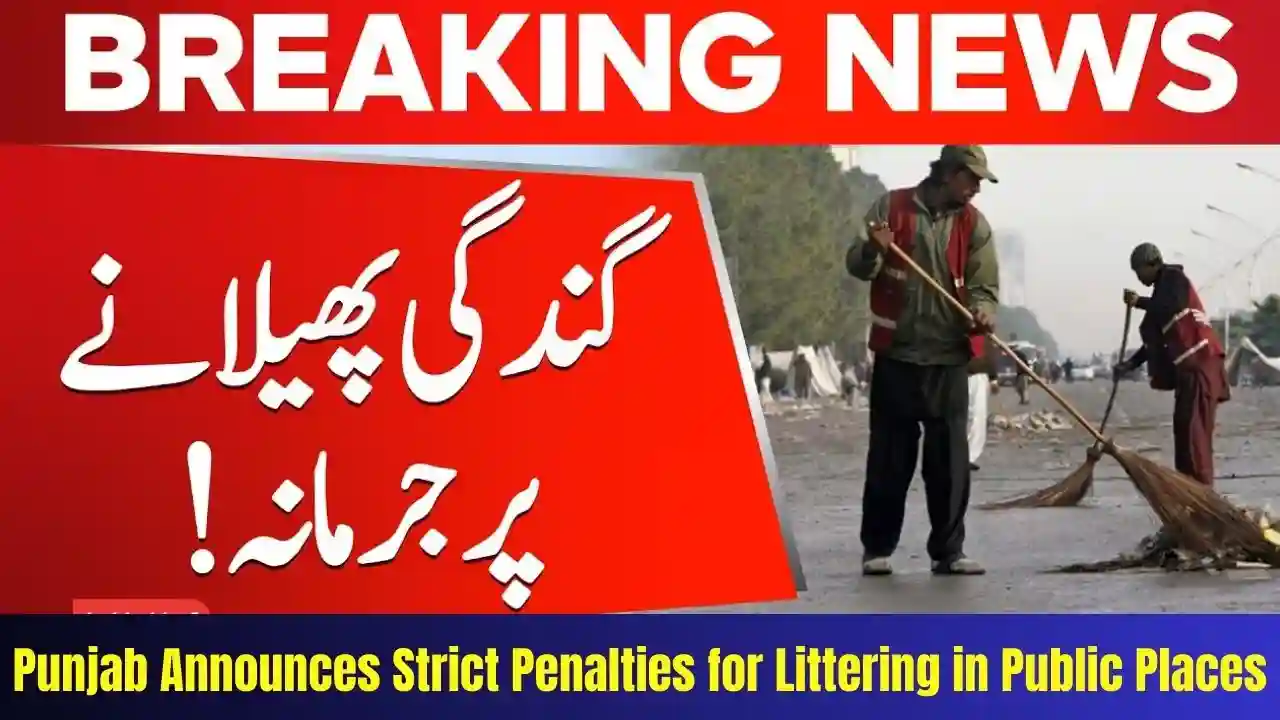
Punjab Announces Strict Penalties for Littering in Public Places has become a major priority for the Punjab government, and in a recent development, authorities have announced strict penalties for littering in public places across the province. The new anti-littering rules aim to reduce pollution, promote responsible civic behavior, and ensure cleaner streets, markets, parks, and transportation hubs. This policy is part of Punjab’s broader environmental reform agenda, targeting waste mismanagement and improving urban sanitation standards.
In this detailed article, we explore the new littering penalties in Punjab, fine structure, enforcement mechanism, awareness campaigns, public responsibilities, and how these regulations will impact daily life.
Punjab’s New Anti-Littering Law – What You Need to Know
The Punjab government has implemented a standardized set of penalties for anyone who throws garbage, plastic, wrappers, cigarette butts, or any waste material in public spaces. These rules apply to:
- Roads and footpaths
- Bazaars and commercial areas
- Parks and playgrounds
- Public transport stations
- Government buildings
- Tourist spots
The purpose of these strict fines is to discourage irresponsible waste disposal and promote a culture of cleanliness among citizens.

Why Punjab Introduced Strict Penalties for Littering
Punjab has been facing growing waste management challenges in recent years. According to environmental authorities, more than 7,000 tons of waste is generated daily in major cities like Lahore, Rawalpindi, Faisalabad, and Multan. With poor disposal habits and insufficient awareness, littering has become a widespread problem.
Key reasons behind the new policy include:
- Reducing environmental pollution
- Improving sanitation and hygiene
- Enhancing tourism and city image
- Supporting waste management systems
- Encouraging public responsibility
The government believes that without strong penalties, it is almost impossible to change public behavior toward cleanliness.

Strict Penalties for Littering – Updated Fine Structure
Under the new regulations, citizens and businesses may face heavy fines for littering in public spaces. The fines vary depending on the type of violation:
1. General Littering
Throwing wrappers, tissue, bottles, plastic bags, or any small waste item:
Fine: Rs. 500 – Rs. 2,000
2. Dumping Household Waste in Public Areas
Improper waste disposal outside homes or streets:
Fine: Rs. 5,000 – Rs. 20,000
3. Commercial Waste Dumping
Businesses found throwing garbage outside designated disposal points:
Fine: Rs. 20,000 – Rs. 100,000
4. Vehicle-Based Littering
Throwing trash out of a moving vehicle, bus, rickshaw, taxi, or private car:
Fine: Rs. 1,000 – Rs. 5,000
5. Littering in Parks, Canals & Tourist Sites
Visitors leaving garbage behind will face:
Fine: Rs. 5,000 – Rs. 30,000
6. Repeat Violations
Second or third-time offenders may face double fines or legal action.
The government has also announced that littering incidents may be recorded through CCTV and mobile complaint apps.

How the Anti-Littering Law Will Be Enforced
To ensure proper implementation, the Punjab government has deployed sanitation enforcement teams and traffic wardens. Local administrations and municipal bodies have been directed to take strict action without giving warnings.
Key Enforcement Measures
- Dedicated anti-litter squads in major cities
- Spot fines issued by wardens and officials
- Surveillance through Safe City cameras
- Citizen complaint systems through apps
- Mandatory cleanliness checks in markets
- Fines on vendors violating waste rules
Authorities have also warned that shops, restaurants, and street vendors must keep dustbins at their premises or face penalties.

Public Awareness Campaigns for Clean Punjab
Along with fines, the government is launching large-scale awareness drives to educate citizens about:
- Importance of proper waste disposal
- Use of dustbins
- Segregation of waste at home
- Reducing plastic consumption
- Keeping parks and tourist sites clean
Community groups, schools, universities, and NGOs will also participate in cleanliness campaigns.
Impact of the New Penalty System on Citizens
These penalties aim to create a long-term cleanliness culture in Punjab. Expected results include:
- Cleaner streets and public spaces
- Better environment for children and families
- Improved air and water quality
- Boost in tourism and business activity
- Stronger waste management system
If citizens follow the rules, this initiative can significantly reduce pollution and help build a healthier Punjab.
Public Littering Law Punjab Conclusion
Punjab’s decision to introduce strict penalties for littering marks an important step toward a cleaner and more responsible society. By enforcing fines, increasing surveillance, and launching awareness campaigns, the government is committed to transforming the environment. It is now every citizen’s responsibility to cooperate, avoid littering, and help maintain public cleanliness.
Important FAQs Punjab Announces Strict Penalties for Littering in Public Places
1. What is the fine for general littering in Punjab?
The fine ranges from Rs. 500 to Rs. 2,000 depending on the violation.
2. Can businesses be fined for improper waste disposal?
Yes, commercial entities may face fines between Rs. 20,000 and Rs. 100,000.
3. Is littering from vehicles punishable?
Yes, throwing trash from a vehicle can result in a fine of Rs. 1,000–5,000.
4. Are repeat offenders given higher fines?
Yes, repeat violators face double penalties or legal action.
5. Will CCTV cameras be used to enforce littering laws?
Yes, Safe City cameras and mobile apps will help track violations.