Punjab Alerts Public as Fake E-Challan Scam Messages Spread Across Province
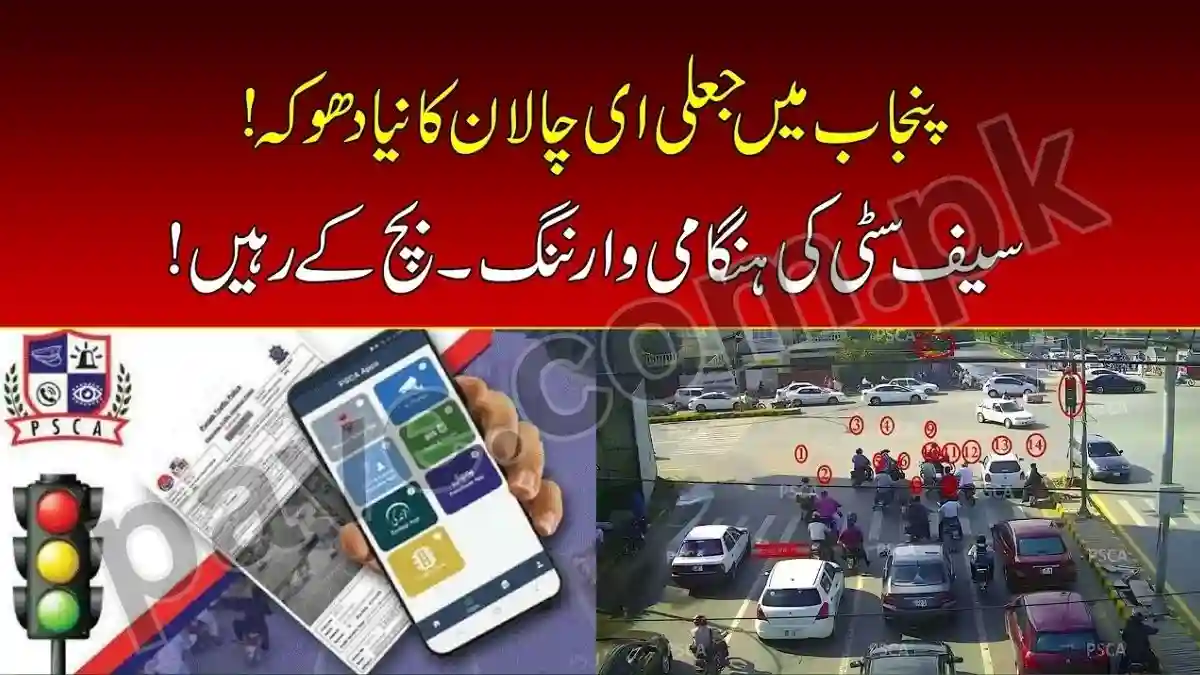
The Punjab government has issued a serious warning after a wave of fake E-Challan Scam messages began circulating across the province. Hundreds of citizens reported receiving SMS alerts that claimed to be official challan notices but were actually part of a large cyber fraud scheme. The Punjab Safe Cities Authority (PSCA), which manages the official e-challan system, has confirmed that scammers are sending fake messages to trick people into clicking unsafe links or making online payments through fraudulent platforms.
The warning comes at a time when more citizens rely on digital services for everyday tasks, including traffic management and fines. As scammers copy government-style messages and websites, many people find it difficult to differentiate between real and fake communication. This has created confusion, fear, and concern among residents, prompting authorities to take immediate action.
PSCA Confirms Only 8070 Is the Official E-Challan Number
A PSCA spokesperson clarified that genuine e-challan alerts are always sent from 8070, the verified government number used for official traffic-related notifications. The spokesperson also stressed that the authority never asks for:
- Bank details
- Debit or credit card numbers
- Personal passwords
- Online payments through private links
The spokesperson added that real e-challan messages always include proper details, such as:
- The type of traffic violation
- The date and time of the incident
- The exact location
- A link to the official website for verification
Any message that lacks these elements—or appears from a random mobile number—should be considered suspicious.
Officials also highlighted that no PSCA officer is authorized to contact citizens directly for challan payments. All fines must be verified and paid only through official and approved channels, not through SMS links.

How the Fake E-Challan Scam Works
According to cybersecurity officers, scammers are using a simple but effective method to deceive the public. They send messages that look almost identical to official e-challan alerts. These fake SMS messages often contain urgent language to scare people into reacting quickly without thinking.
Some common tactics being used in the scam include:
Threatening Language
Messages claim that immediate action is required or the fine amount will increase. This creates pressure and forces people to respond.
Fake Links
The messages include harmful website links that look similar to government portals. Once clicked, these links may:
- Steal personal data
- Install malware on the phone
- Collect bank information
- Force the user to pay on bogus payment pages
Cloned Websites
Scammers have created websites that visually match official PSCA platforms. Many citizens, unaware of the difference, end up trusting these fake sites.
Random Numbers
Instead of the official 8070, fraudsters send messages from multiple local numbers to avoid detection.
Authorities say the scam is well-organized and may involve groups operating from both inside and outside the province. They are targeting drivers, office workers, students, and anyone who may have previously received a real challan.

Public Reaction and Growing Concern
As the fake messages spread, many people took to social media to share screenshots and warn others. Some citizens said they almost clicked the link because the message looked convincing. Others admitted they paid through the fake website before realizing it was a scam.
This rising concern forced PSCA and Punjab Police to issue an immediate public advisory. Officials urged people not to panic but to stay informed and verify every message before responding. They also noted that digital scams increase during weekends, special events, and public holidays when people are less likely to double-check notifications.

Authorities Urge Citizens to Report Suspicious Messages
To control the situation, PSCA has recommended that citizens immediately report any questionable SMS to:
- Police Helpline 15
- FIA Cyber Wing
This allows authorities to trace the numbers, block the scam networks, and protect the public. Digital fraud investigations often depend on quick reporting, as scammers frequently change SIM cards and phone numbers to avoid detection.
Officials advised citizens not to delete the message until they report it, as the phone number, time, and details help investigators track the offenders.

PSCA Files Complaint With NCCIA
Recognizing the seriousness of the situation, PSCA has filed a detailed complaint with the National Cyber Crime Investigation Agency (NCCIA). The agency is now working alongside FIA and Punjab Police to identify the individuals or groups responsible for:
- Creating fake e-challan websites
- Misusing government logos and templates
- Spreading fraudulent SMS alerts
- Collecting illegal online payments
- Cloning official digital platforms
Investigators believe that scammers are using sophisticated methods, including VPNs and international servers, to hide their identity. However, officials remain confident that technical tracing tools will help locate and arrest the culprits.
PSCA has also assured the public that strict legal action will be taken against anyone misusing the authority’s name or attempting to steal citizens’ money through digital deception.
Why Digital Scams Are Increasing
Experts say Pakistan is experiencing rapid digital adoption, which includes online banking, mobile wallets, and government web portals. While this makes everyday life easier, it also creates opportunities for cybercriminals.
Common reasons for the rise in such scams include:
- Low digital awareness
- Increased use of smartphones
- Limited cybersecurity knowledge
- Ease of creating fake websites
- Lack of verification by users
This particular scam also targets trust, as many people believe government messages cannot be fake.
How to Identify Real and Fake E-Challan Messages
Authorities have shared several tips to help people stay safe:
Real E-Challan Message
- Comes from 8070
- Contains proper violation details
- Does not ask for banking information
- Directs users to the official PSCA website
Fake E-Challan Message
- Comes from random numbers
- Contains urgent or threatening language
- Includes suspicious or shortened links
- Requests payment through private gateways
What Citizens Should Do to Stay Safe
Authorities recommend the following steps:
Do Not Click Suspicious Links
If the link appears unknown or strange, avoid opening it.
Verify Through Official Websites
Always check challan status directly through the PSCA or Punjab Police portals.
Never Share Personal Details
Government departments never ask for sensitive information through SMS.
Warn Friends and Family
Share awareness messages to help others avoid financial loss.
Block and Report
Any scam number should be reported immediately.
Conclusion – Punjab Fake E-Challan Scam Warning PSCA official Alert
The recent spread of fake e-challan scam messages in Punjab has highlighted the importance of digital safety and public awareness. As scammers continue to misuse government identities to cheat citizens, PSCA’s reminder that only 8070 is the official challan number has become crucial.
The government, cybercrime agencies, and police are working together to trace and arrest those involved in the scam. In the meantime, the best protection for the public is to stay alert, verify every message, and never trust unverified links or payment requests.
Punjab’s warning serves as a strong reminder that while digital systems make life easier, they must be used responsibly—and always with caution.