Punjab Launches Rs 1 Billion E-Bus Infrastructure Project to Boost Green Transport
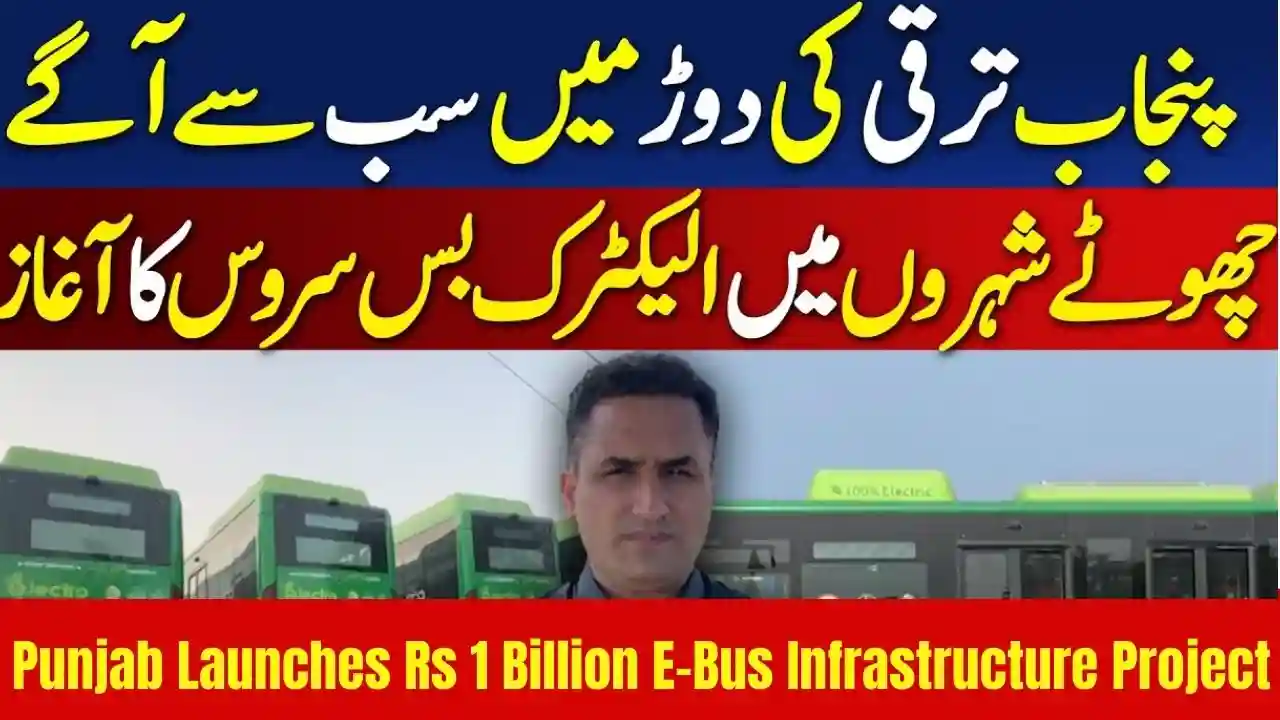
Punjab Launches Rs 1 Billion E-Bus Infrastructure Project has taken a major step toward sustainable urban mobility by launching a Rs 1 billion E-Bus Infrastructure Project, aimed at promoting green transport, reducing air pollution, and modernising the province’s public transportation system. This initiative reflects the Punjab government’s long-term vision to shift away from fossil-fuel-based transport and adopt environment-friendly electric mobility solutions.
With rising fuel prices, increasing smog levels, and growing urban congestion, the launch of electric bus (e-bus) infrastructure is being seen as a game-changing move for Punjab’s cities, particularly Lahore, Rawalpindi, Faisalabad, Multan, and Gujranwala.
Overview of Punjab’s Rs 1 Billion E-Bus Infrastructure Project
The Punjab E-Bus Infrastructure Project focuses on developing the required facilities to support electric buses across major urban routes. Instead of only purchasing electric buses, the government is investing heavily in charging stations, depots, grid upgrades, and maintenance systems, ensuring long-term sustainability.
Key Highlights of the Project
- Total investment: Rs 1 billion
- Focus on electric bus charging infrastructure
- Support for zero-emission public transport
- Integration with existing metro and bus systems
- Reduced dependency on imported fuel
This infrastructure-first approach ensures that electric buses can operate efficiently without disruptions.

Why Punjab Is Moving Toward Electric Buses
Rising Pollution and Smog Crisis
Punjab, especially Lahore, faces severe smog every winter. Diesel-powered buses are a major contributor to:
- Carbon emissions
- Nitrogen oxides
- Fine particulate matter (PM2.5)
Electric buses produce zero tailpipe emissions, making them a cleaner alternative for dense urban environments.
High Fuel Costs and Economic Pressure
With fluctuating global oil prices, public transport operations have become expensive. Electric buses significantly reduce:
- Fuel costs
- Maintenance expenses
- Long-term operational spending
This makes e-buses a cost-effective solution in the long run.

Infrastructure Development Under the E-Bus Project
Electric Bus Charging Stations
A major portion of the Rs 1 billion budget is allocated to installing fast and slow charging stations at:
- Bus depots
- Terminals
- Key city routes
These chargers will support overnight and rapid daytime charging.
Power Grid and Energy Management
To ensure uninterrupted service, the project includes:
- Grid capacity upgrades
- Smart energy management systems
- Load balancing during peak hours
This prevents power shortages and protects the electricity network.
Maintenance and Technical Facilities
Specialised maintenance centres will be established for:
- Battery diagnostics
- Electric drivetrain servicing
- Software and system updates
This will reduce downtime and extend vehicle life.

Cities Likely to Benefit From the E-Bus Infrastructure
The project is expected to be rolled out in phases, covering major urban centres, including:
- Lahore – Primary pilot city
- Rawalpindi & Islamabad routes
- Faisalabad
- Multan
- Gujranwala
These cities face high daily commuter volumes and pollution levels, making them ideal for electric bus deployment.

Environmental Benefits of the Punjab E-Bus Project
Reduction in Carbon Emissions
Electric buses can reduce carbon emissions by up to 70–80% compared to diesel buses when powered by cleaner energy sources.
Improved Urban Air Quality
Lower emissions mean:
- Reduced smog intensity
- Better respiratory health
- Cleaner city environments
This is especially important for children and elderly citizens.
Noise Pollution Reduction
Electric buses operate quietly, helping reduce noise pollution in congested urban areas.
Economic and Employment Impact
Job Creation
The project will create new jobs in areas such as:
- Electrical engineering
- Charging station operations
- Technical maintenance
- Software and system management
Local Industry Growth
Local companies may benefit from:
- Infrastructure construction
- Electrical equipment supply
- Technical services and training
This strengthens Punjab’s green economy.
Integration With Existing Public Transport Systems
Punjab already operates metro bus and speedo bus services. The new e-bus infrastructure will:
- Complement existing routes
- Reduce overcrowding
- Improve service reliability
Passengers can expect modern, air-conditioned, and eco-friendly buses with improved comfort.
Government’s Vision for Green Transport in Punjab
The Rs 1 billion E-Bus Infrastructure Project aligns with broader goals such as:
- Climate change mitigation
- Energy efficiency
- Sustainable urban development
- Reduced oil imports
Punjab aims to gradually transition its public transport fleet to electric and hybrid vehicles over the next decade.
Challenges and How the Government Plans to Address Them
Initial Costs
While electric infrastructure requires high upfront investment, the government expects long-term savings through reduced fuel and maintenance costs.
Power Supply Concerns
Smart charging schedules and grid upgrades will ensure that e-bus operations do not strain the electricity system.
Public Awareness
Awareness campaigns will help citizens understand the benefits of electric public transport and encourage usage.
Public Response and Expert Opinions
Transport experts have welcomed the move, calling it a critical shift toward sustainable mobility. Environmental groups believe the project could significantly improve air quality if implemented at scale.
Citizens have also shown optimism, especially regarding:
- Cleaner air
- Lower fares in the long term
- Improved travel experience
Future Expansion Plans
If successful, the Punjab government may:
- Increase investment beyond Rs 1 billion
- Add more electric buses
- Expand infrastructure to smaller cities
- Integrate solar energy for charging stations
This could make Punjab a leader in electric public transport in Pakistan.
Conclusion
The Punjab Rs 1 Billion E-Bus Infrastructure Project marks a historic step toward cleaner, smarter, and more sustainable urban transport. By focusing on infrastructure development, the government is laying a strong foundation for the future of electric mobility.
This initiative not only addresses environmental challenges but also offers economic benefits, improved public health, and modernised transport services. If implemented effectively, it could reshape public transportation across Punjab and serve as a model for other provinces.
Frequently Asked Questions (FAQs)
1. What is the Punjab Rs 1 Billion E-Bus Infrastructure Project?
It is a government initiative to develop charging stations, depots, and technical facilities to support electric buses across Punjab.
2. Which cities will benefit from the e-bus project?
Major cities like Lahore, Rawalpindi, Faisalabad, Multan, and Gujranwala are expected to benefit in the initial phases.
3. How will electric buses help reduce pollution?
Electric buses produce zero tailpipe emissions, significantly reducing air pollution and smog in urban areas.
4. Will this project increase electricity load?
The project includes grid upgrades and smart energy management to handle additional electricity demand efficiently.
5. Is this project part of Punjab’s long-term green transport plan?
Yes, it is a key part of Punjab’s strategy to promote sustainable, eco-friendly, and cost-effective public transport.