Qatar LNG Capacity Hit by Iran Strikes – Global Energy Impact 2026
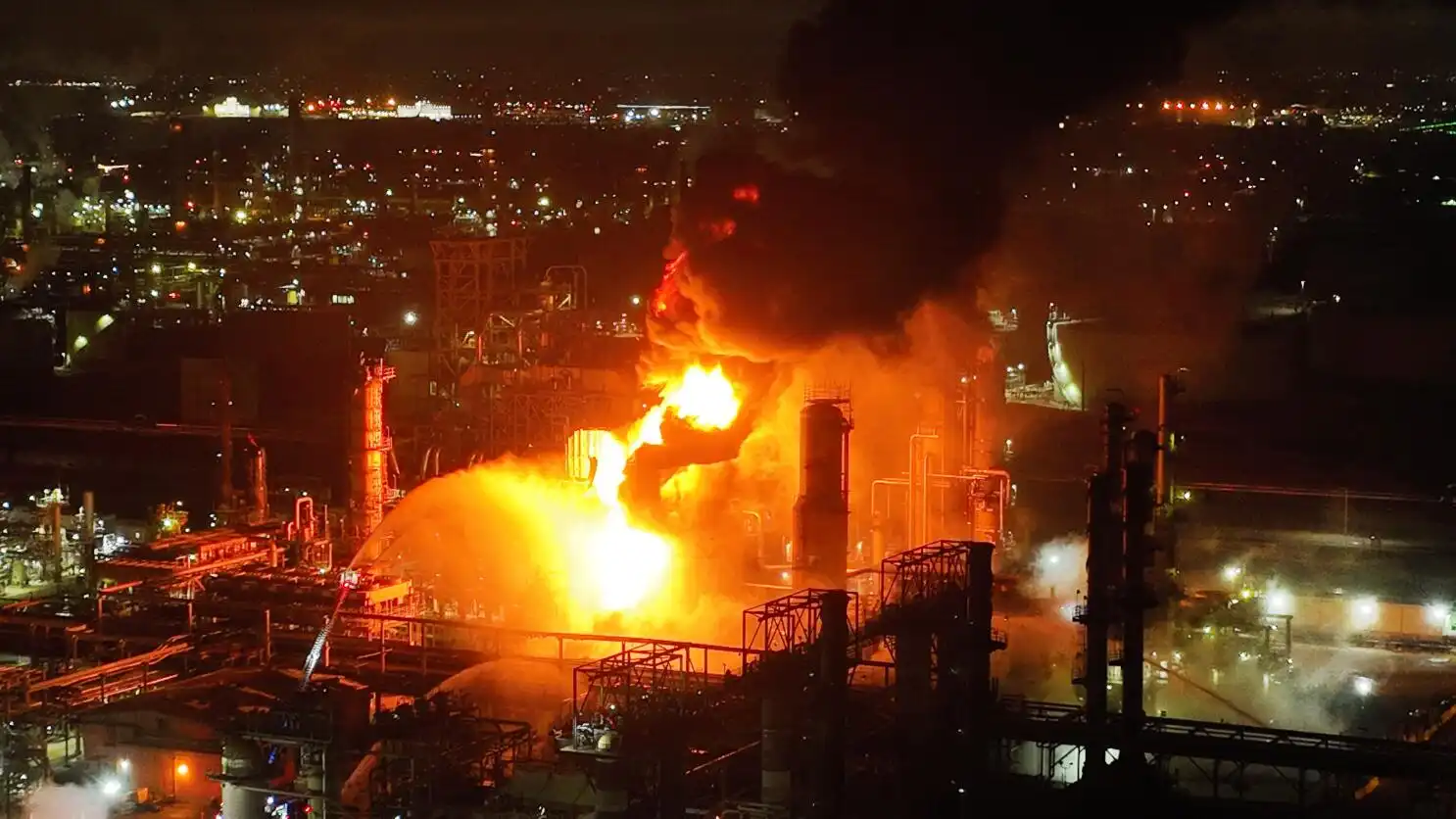
A major development in the global energy market has emerged after Iran’s recent strikes in the Gulf region. According to official reports, a significant portion of Qatar’s LNG (liquefied natural gas) production capacity has been damaged, creating serious concerns for global energy supply.
This news is rapidly trending, with people searching for “Qatar LNG damage 2026”, “Iran strikes Gulf energy impact”, and “global gas supply crisis”.
What Happened to Qatar’s LNG Facilities?
Following Iran’s military actions targeting US-linked assets in the Gulf region, key energy infrastructure in Qatar was affected.
Key Damage Details:
- Around 17% of Qatar’s LNG export capacity has been wiped out
- Two major LNG production trains were damaged
- One gas-to-liquids (GTL) facility was also hit
- Estimated loss: 12.8 million tonnes per year
This is a major blow to Qatar, which is one of the world’s largest LNG exporters.

Financial Impact on Qatar
The damage is not just operational—it’s also financial.
Estimated Losses:
- Around $20 billion annual revenue loss
- Damaged facilities valued at $26 billion
This will have long-term effects on Qatar’s economy and global energy markets.

Repair Timeline: Not a Quick Recovery
According to QatarEnergy CEO Saad al-Kaabi:
- Repairs could take 3 to 5 years
- Full production recovery is uncertain
- Security conditions must improve first
This means the impact will be long-term, not temporary.

Global LNG Supply at Risk
Qatar supplies LNG to many countries worldwide. The disruption is expected to affect major economies.
Countries Likely Impacted:
- Italy
- Belgium
- South Korea
- China
- Pakistan
Qatar may declare force majeure, meaning it cannot meet its supply commitments due to extraordinary circumstances.

Wider Impact on Energy Products
The damage is not limited to LNG. Other energy exports are also expected to decline.
Expected Drops:
- Condensate: ↓ 24%
- LPG (Liquefied Petroleum Gas): ↓ 13%
- Helium: ↓ 14%
- Naphtha & Sulphur: ↓ 6% each
This could create a chain reaction across global industries, including manufacturing and transportation.
Why This Situation Is Serious
Qatar plays a crucial role in the global energy supply chain. Any disruption affects:
- Fuel prices worldwide
- Electricity generation
- Industrial production
- Economic stability
With a large portion of LNG supply affected, countries may face:
- Higher gas prices
- Supply shortages
- Increased reliance on alternative energy sources
Role of ExxonMobil and International Stakeholders
Some of the damaged LNG facilities include investments from global companies like ExxonMobil.
Investment Details:
- 34% stake in one LNG train
- 30% stake in another
This means the impact is not just regional—it involves international energy giants.
What Is Force Majeure and Why It Matters?
“Force majeure” is a legal term used when companies cannot fulfill contracts due to uncontrollable events.
If QatarEnergy declares force majeure:
- LNG deliveries may be delayed or canceled
- Buyers may need to find alternative suppliers
- Global gas prices could increase
Impact on Pakistan and Asia
Countries like Pakistan, which rely heavily on LNG imports, may face:
- Energy shortages
- Increased electricity costs
- Pressure on the economy
This makes the situation especially important for developing countries.
What Happens Next?
The situation is still developing, and several outcomes are possible:
- Diplomatic efforts to reduce tensions
- Increased LNG production from other countries
- Shift toward renewable energy sources
- Long-term changes in global energy trade
Final Thoughts
The damage to Qatar’s LNG infrastructure is a major global energy event. With 17% of capacity affected and years needed for recovery, the impact will be felt worldwide.
This incident highlights how geopolitical tensions can directly affect energy security and global economies.