
Robotic Surgery Services Likely to Start Soon in KP Hospital
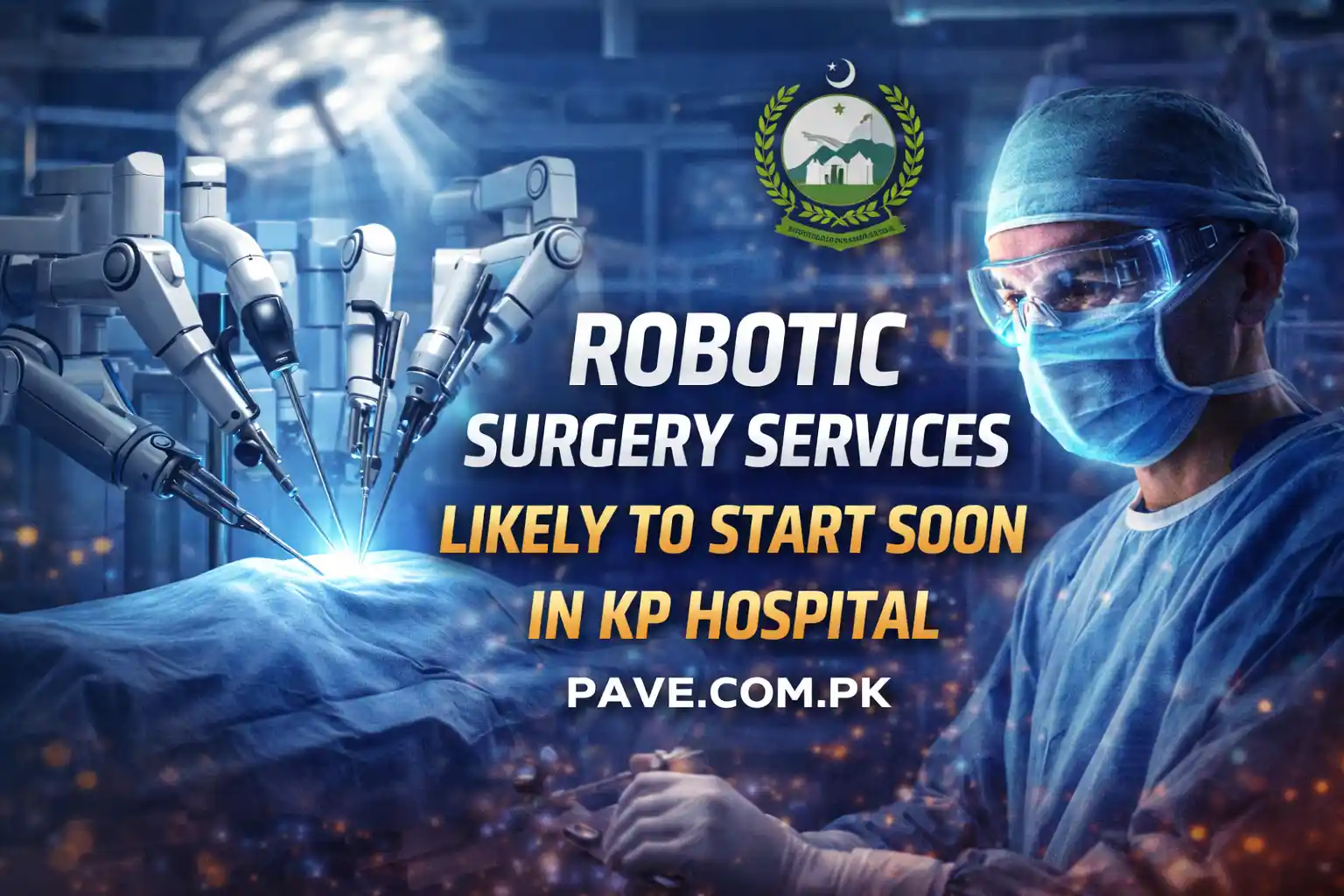
Khyber Pakhtunkhwa (KP) is set to enter a new era of advanced healthcare as the Institute of Kidney Diseases (IKD) at Hayatabad Medical Complex moves closer to launching robotic surgery services. If approved, this initiative will mark the first-ever use of robotic-assisted surgery in KP, significantly upgrading the province’s capacity for complex and precision-based medical procedures.
The development follows a one-day live robotic surgery workshop held at IKD, during which visiting surgeons from the United Kingdom performed two robotic procedures. The event introduced local doctors, surgeons, and operating room staff to the practical application of robot-assisted surgical systems, highlighting their benefits in urology and other complex specialties.
This detailed article explains what robotic surgery is, why IKD is preparing to adopt it, the benefits for patients and doctors, the costs and training requirements, and how this move could transform healthcare in KP. The article is written in easy English, includes Google-search-friendly keywords, and ends with a meta description and focus keywords, as requested.
A Major Healthcare Milestone for Khyber Pakhtunkhwa
For decades, patients from KP needing advanced surgical care often had to travel to other provinces or abroad. The introduction of robotic surgery at IKD could change that reality.
Why This Development Is Important
- First robotic surgery facility in KP
- Reduced need for patients to travel outside the province
- Improved outcomes for complex surgeries
- Modernization of public-sector healthcare
Health experts say this step could place KP among Pakistan’s most technologically advanced healthcare regions.

Live Robotic Surgery Workshop at IKD
The plan to introduce robotic surgery gained momentum after a live demonstration workshop at IKD.
Highlights of the Workshop
- Two robotic procedures performed live
- Visiting surgeons from the United Kingdom
- Participation of local surgeons and medical staff
- Hands-on exposure to robotic systems
The workshop helped demonstrate how robotic technology can be used safely and effectively in real clinical settings.

Introducing Local Doctors to Robot-Assisted Surgery
One of the key goals of the workshop was capacity building.
Training Objectives
- Familiarize doctors with robotic consoles
- Demonstrate robotic arm precision
- Explain workflow and safety protocols
- Show advantages over traditional surgery
According to IKD officials, this exposure significantly increased local doctors’ confidence in adopting the technology.

What Is Robotic Surgery?
Robotic surgery, also known as robot-assisted surgery, allows surgeons to perform operations using robotic arms controlled from a computerized console.
How Robotic Surgery Works
- Surgeon sits at a console
- Robotic arms mimic hand movements
- High-definition 3D vision guides the procedure
- Instruments operate through small incisions
Despite the name, robots do not act independently. Every movement is fully controlled by the surgeon.

Benefits of Robotic Surgery for Patients
Robotic surgery offers several advantages compared to conventional open or even laparoscopic surgery.
Key Patient Benefits
- Smaller incisions
- Reduced blood loss
- Less postoperative pain
- Lower risk of infection
- Faster recovery
- Shorter hospital stay
These benefits are especially important for patients with complex or high-risk conditions.
Precision and Control for Surgeons
For surgeons, robotic systems provide unmatched control and accuracy.
Advantages for Surgeons
- Enhanced precision
- Tremor-free movements
- Better visualization
- Greater flexibility in tight spaces
This makes robotic surgery ideal for delicate procedures, particularly in urology.
Why IKD Is a Suitable Candidate for Robotic Surgery
IKD already has strong foundations for advanced surgical care.
Existing Strengths at IKD
- Fully equipped operation theaters
- Surgeons trained in laparoscopic surgery
- Experience in complex urological procedures
- Skilled nursing and technical staff
These factors make the transition to robotic surgery technically feasible.
Focus on Urological Procedures
Initially, IKD plans to use robotic systems for complex urological cases.
Targeted Procedures
- Tumor removal
- Kidney surgeries
- Prostate procedures
- Complex reconstructive surgeries
Urology is one of the most common and successful applications of robotic surgery worldwide.
Future Expansion to Other Procedures
While urology will be the starting point, IKD officials say the scope will expand.
Possible Future Uses
- Organ transplants
- General surgery
- Gynecological procedures
- Oncology surgeries
Over time, robotic systems could become part of multi-specialty care at the hospital.
Statement by IKD Director Dr Kamran Khan
IKD Director Dr Kamran Khan confirmed that a formal proposal has been submitted.
Key Points From His Statement
- Proposal sent to Board of Governors
- Government approval required
- Special grant requested
- Cost of robot around $1 million
He emphasized that the investment would bring long-term benefits.
Cost of Robotic Surgery Systems
Robotic surgical systems are expensive but widely viewed as a long-term investment.
Cost Breakdown
- Initial purchase: around $1 million
- Maintenance and upgrades
- Training and certification
- Consumables and instruments
Despite the high upfront cost, hospitals often recover expenses through improved efficiency and outcomes.
International Support for Training
IKD officials revealed that international partners and robot suppliers have shown willingness to support training.
Training Support Includes
- Overseas training programs
- On-site expert supervision
- Simulation-based learning
- Long-term technical support
This reduces the burden on local institutions and ensures safe adoption.
Global Trend Toward Robotic Surgery
Robotic surgery is rapidly expanding worldwide.
Global Adoption Highlights
- Widely used in Europe and North America
- Growing presence in Asia and Middle East
- Increasing adoption in developing countries
Pakistan has already seen robotic surgery in some regions, and KP is now set to join this trend.
Robotic Surgery in Pakistan: Current Status
Robotic surgery is already available in other parts of Pakistan, mainly in private or specialized centers.
What Makes IKD’s Move Unique
- First public-sector robotic surgery in KP
- Focus on accessibility
- Government-backed initiative
This could make advanced care available to a broader population.
Impact on Healthcare Access in KP
The introduction of robotic surgery could significantly improve access to advanced care.
Key Impacts
- Reduced patient referrals to other provinces
- Lower travel and treatment costs
- Improved local expertise
- Strengthened public healthcare system
Patients from remote areas of KP stand to benefit the most.
Challenges in Implementation
Despite strong momentum, challenges remain.
Key Challenges
- Securing government funding
- Training sufficient staff
- Managing maintenance costs
- Ensuring sustainable usage
IKD officials remain confident these challenges can be addressed.
Role of Government Approval
Final implementation depends on government approval.
Approval Process
- Review by Board of Governors
- Allocation of special grant
- Procurement approvals
Once approved, procurement and training can begin quickly.
Long-Term Vision for Advanced Healthcare
IKD’s robotic surgery plan reflects a broader vision.
Long-Term Goals
- Modernize public hospitals
- Retain medical talent
- Improve patient outcomes
- Align with global medical standards
Experts believe this move could inspire similar initiatives across KP.
Reaction From Medical Community
The medical community has largely welcomed the development.
Doctors’ Perspective
- Positive response from surgeons
- Interest in specialized training
- Optimism about patient outcomes
Many see robotic surgery as a natural progression.
Public Response and Patient Expectations
Patients and families have shown interest and hope.
Public Expectations
- Safer surgeries
- Faster recovery
- Reduced complications
Clear communication will be essential to manage expectations.
Conclusion
The move by the Institute of Kidney Diseases at Hayatabad Medical Complex to introduce robotic surgery marks a historic leap for healthcare in Khyber Pakhtunkhwa. With proven infrastructure, trained surgeons, international support, and a clear roadmap, IKD is well-positioned to bring cutting-edge surgical technology to the province.
If approved, this initiative will not only improve outcomes for complex cases but also strengthen KP’s public healthcare system, reduce patient burden, and align the province with global medical advancements.