
SHC Dismisses Petition Against Ajrak Number Plates in Sindh
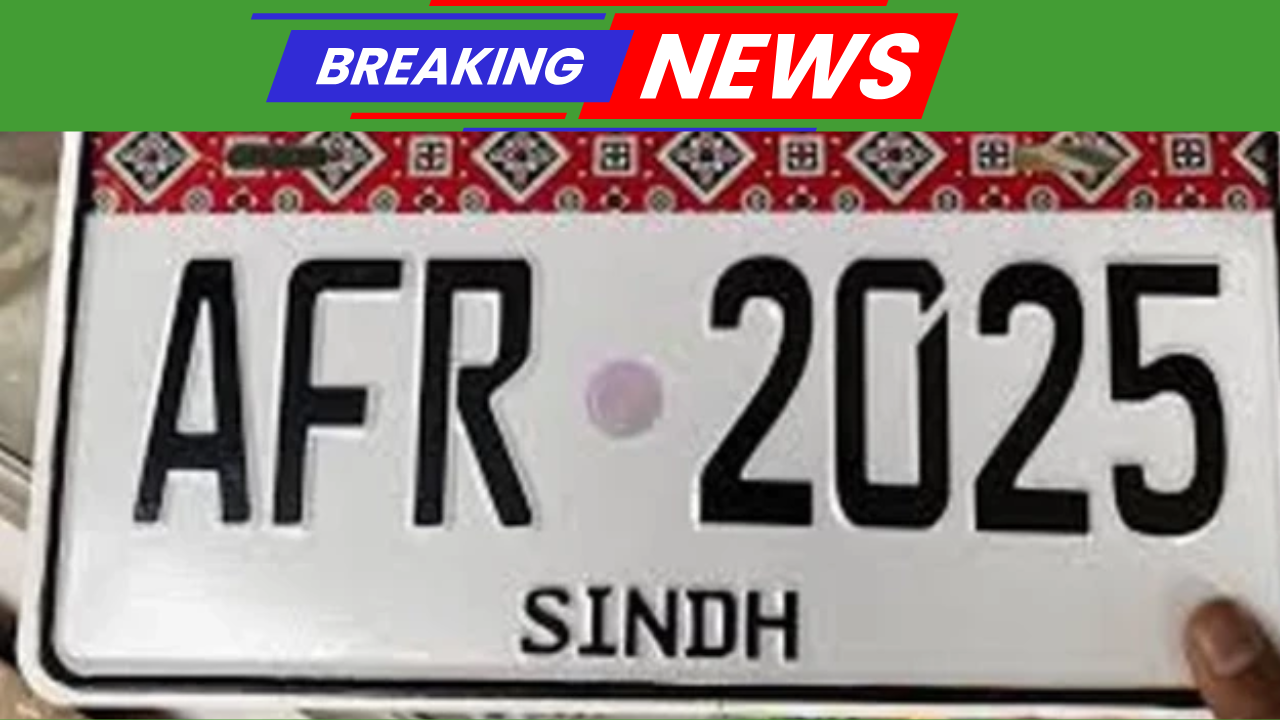
Court Rules There Is No Legal Basis to Challenge New Vehicle Number Plate Policy
The Sindh High Court (SHC) has dismissed a constitutional petition challenging the mandatory installation of newly introduced Ajrak-design vehicle number plates in Sindh. The court clearly ruled that there is no legal ground to question the Sindh government’s policy regarding the replacement of old number plates with the new Ajrak-style plates.
This verdict is important for millions of vehicle owners across Sindh who were uncertain about the legality, fees, and enforcement of the new number plate system. The decision confirms that the Ajrak number plate policy is lawful and can be implemented across the province without legal hurdles.
Background of the Ajrak Number Plate Policy in Sindh
The Sindh government introduced Ajrak-design number plates as part of a broader effort to modernize vehicle registration, enhance security, and prevent crimes such as vehicle theft, fake registrations, and misuse of unregistered vehicles.
Ajrak is a traditional Sindhi cultural pattern, and the design was selected to represent Sindh’s heritage while also incorporating modern security features. The new plates are intended to be standardized, digitally traceable, and compatible with Safe City surveillance systems and e-challan enforcement mechanisms.
Under this policy:
- Old number plates are being phased out
- New Ajrak-design plates are mandatory
- Fees vary depending on vehicle category

Who Filed the Petition and Why?
The petition was filed by Faisal Hussain, a citizen who challenged the Sindh government’s decision to make Ajrak-design number plates compulsory.
The petitioner argued that:
- Citizens had already paid fees for their existing number plates
- Making new plates mandatory creates an additional financial burden
- The cost of new plates ranges from Rs500 to Rs3,000
- Non-installation could result in fines or seizure of vehicles
According to the petitioner, the government should have provided the new plates free of cost, as vehicle owners had already fulfilled their legal obligations by paying excise duty during registration.

Key Arguments Presented by the Petitioner’s Counsel
During the hearing, the petitioner’s lawyer raised several points before the Sindh High Court:
1. Double Financial Burden on Citizens
The counsel argued that vehicle owners had already paid for number plates at the time of registration. Charging additional fees for new plates was termed unjustified and unlawful.
2. Threat of Fines and Vehicle Seizure
It was contended that the government notification threatened citizens with fines and confiscation of vehicles if they failed to install the new plates, which the petitioner described as coercive action.
3. Request to Stop Enforcement
The petitioner requested the court to:
- Stop authorities from charging extra fees
- Allow citizens to continue using old number plates
- Prevent any coercive measures against vehicle owners
The counsel maintained that the court had the authority to ensure that state actions strictly complied with the law.

Sindh Government’s Position on Ajrak Number Plates
The Sindh government defended its policy by stating that the new Ajrak-design plates are not merely cosmetic but come with enhanced security features.
According to official records:
- A public notice issued on December 17, 2024 explained the purpose of the new plates
- The plates include security elements to prevent duplication and forgery
- The system supports digital verification and law enforcement tracking
The government maintained that the prescribed fee structure is reasonable and varies according to vehicle type.

SHC Observations on the Number Plate Fees
In its written verdict, the Sindh High Court noted that the petitioner’s objection was mainly focused on the cost of the new number plates, which ranges between Rs500 and Rs3,000 depending on the vehicle category.
The court observed that:
- Fee determination falls within the government’s administrative authority
- The petitioner failed to show how the fee violated any constitutional or statutory provision
- Public policy decisions cannot be struck down merely on the basis of inconvenience
The judges emphasized that financial displeasure alone does not constitute a legal violation.
Court’s Ruling: No Legal Threshold Met
After hearing all arguments, the Sindh High Court concluded that the issues raised by the petitioner did not meet the legal threshold required for judicial intervention.
Key points of the ruling include:
- The Ajrak number plate policy is lawful
- The government acted within its authority
- No constitutional rights were violated
- The petition lacked legal merit
As a result, the SHC dismissed the petition and allowed the Sindh government to continue implementing the Ajrak-design number plate system.
What This Decision Means for Vehicle Owners in Sindh
This ruling has cleared all legal doubts regarding the Ajrak number plates. For vehicle owners, it means:
1. Ajrak Number Plates Are Mandatory
All registered vehicles in Sindh must install the new Ajrak-design plates within the prescribed timeframe.
2. Old Plates Will Be Phased Out
Vehicles using old number plates may face fines or enforcement action once deadlines are enforced.
3. Fees Are Legally Valid
The fee charged for new plates is lawful and must be paid by vehicle owners.
4. No Legal Relief Expected
Similar petitions are unlikely to succeed unless new constitutional grounds are raised.
Connection With Safe City and E-Challan Systems
One major reason behind the Ajrak number plate initiative is its integration with Safe City cameras, ANPR systems, and e-challan enforcement.
Modern number plates:
- Improve number plate recognition accuracy
- Reduce fake plate usage
- Support digital traffic policing
- Help trace stolen vehicles
This aligns Sindh with other provinces that have adopted digitally compatible number plate systems.
Public Reaction and Mixed Opinions
While the court decision has legally settled the matter, public opinion remains divided.
Some citizens support the move, saying:
- It improves law and order
- Helps control vehicle-related crimes
- Adds cultural identity through Ajrak design
Others argue:
- Fees should be reduced
- Implementation should be gradual
- Awareness campaigns should be improved
However, after the SHC verdict, the policy is no longer legally disputable.
Legal Importance of the SHC Verdict
This judgment reinforces an important legal principle:
Courts do not interfere in policy matters unless a clear violation of law or constitution is proven.
The ruling sets a precedent for future cases involving:
- Vehicle registration reforms
- Government fee structures
- Administrative policy challenges
It strengthens the government’s authority to implement modernization initiatives in public administration.
Final Conclusion
The Sindh High Court’s dismissal of the petition against Ajrak-design number plates confirms that the policy is legal, enforceable, and constitutionally valid. Vehicle owners in Sindh must comply with the new system and install the prescribed number plates within the government’s timelines.
The verdict removes uncertainty, supports administrative reforms, and allows Sindh to move forward with modern vehicle identification and digital traffic enforcement. While public concerns about cost remain, the court has made it clear that such issues fall within the government’s policy domain, not judicial review.
Frequently Asked Questions (FAQs)
1. What did the Sindh High Court decide about Ajrak number plates?
The Sindh High Court dismissed the petition challenging Ajrak-design number plates. The court ruled that there is no legal basis to oppose the policy, and the Sindh government is authorized to implement the new number plates across the province.
2. Are Ajrak-design number plates mandatory in Sindh?
Yes, Ajrak-design number plates are mandatory for all registered vehicles in Sindh. Vehicle owners must replace old number plates with the new Ajrak-style plates within the timeframe set by the government.
3. Why did the court reject the petition against Ajrak number plates?
The court rejected the petition because the petitioner failed to prove any violation of law or constitutional rights. The objection was mainly about the fee, which the court said is a policy matter and not a legal issue.
4. How much do Ajrak number plates cost in Sindh?
The cost of Ajrak-design number plates ranges from Rs500 to Rs3,000, depending on the category and type of vehicle. The court declared these charges lawful.
5. What happens if a vehicle owner does not install Ajrak number plates?
If a vehicle owner does not install the new Ajrak number plates, they may face fines, penalties, or vehicle seizure under Sindh government rules once enforcement begins.