
Supreme Court Restores Sindh Police Officers’ Seniority: Landmark Ruling Explained
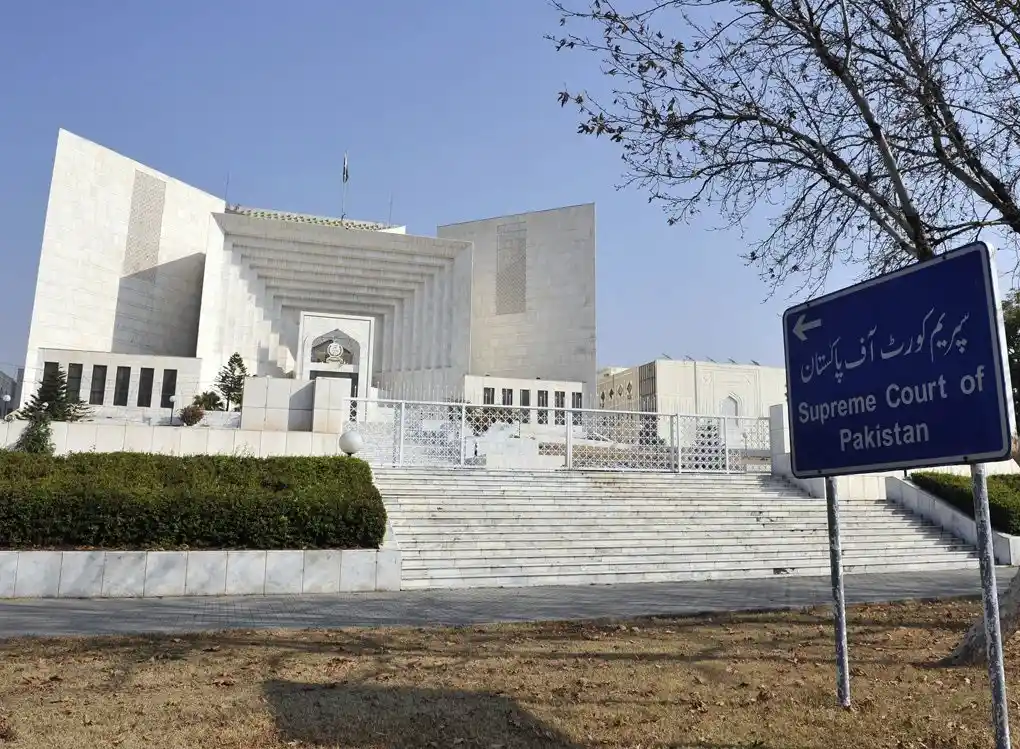
The Supreme Court of Pakistan has delivered a historic decision regarding the seniority of Sindh Police officers. The ruling comes after years of legal disputes, appeals, and challenges, making it one of the most significant cases in Pakistan’s police service history.
Background of the Seniority Case
The seniority case of Sindh Police officers centers around Assistant Sub-Inspectors who were recruited in 1990. Political interventions in 1991 led to the dismissal of several officers, disrupting the service hierarchy. The officers argued that their seniority should be restored to reflect their original appointment dates. Seniority in the police service is critical as it affects promotions, postings, and career progression.
The Sindh Service Tribunal had earlier ruled in favor of the affected officers, restoring their pre-2019 seniority. This decision was challenged by the Government of Sindh, which requested that the officers’ seniority be adjusted to reflect appointments in 1991 and 1992.

Supreme Court Ruling
A three-member bench of the Supreme Court, led by Justice Muhammad Ali Mazhar, thoroughly examined the case. The apex court upheld the Sindh Service Tribunal’s decision and dismissed all appeals filed by the provincial government.
The court highlighted that the restoration of seniority is a constitutional right of police officers. It emphasized that seniority cannot be ignored or altered arbitrarily, as it directly affects the officers’ eligibility for promotions and other service benefits.

Impact of the Ruling on Sindh Police Officers
Restoring pre-2019 seniority ensures that affected officers are recognized for their original service dates. This ruling has multiple implications:
- Eligibility for Promotions: Officers whose seniority has been restored are now entitled to timely promotions according to the service structure.
- Career Progression: Seniority forms the foundation of career growth in the police service. Restoring it ensures that officers’ professional paths are not hindered.
- Legal Precedent: The decision reinforces the importance of fair and transparent processes in determining seniority, setting a precedent for similar cases in other provinces.

Details of the 1990 Recruitment and Political Dismissal
The affected officers were initially appointed as Assistant Sub-Inspectors in 1990. Political interventions in 1991 led to their dismissal, disrupting their careers. Records show that in 1994, the then Inspector General (IG) of Sindh reinstated these officers based on their original appointment dates. However, financial benefits were not provided at the time of reinstatement, though seniority was restored.
In 2019, the provincial government altered the officers’ appointment dates in the seniority list, linking them to 1991 and 1992. This adjustment was challenged in the Sindh Service Tribunal, which ruled it illegal and reinstated the 1990 seniority.

Legal Arguments and Observations
The Supreme Court examined several legal aspects of the case, including:
- Constitutional Rights: The court emphasized that seniority is a protected constitutional right and cannot be violated without due process.
- Service Structure: Seniority plays a critical role in promotions, postings, and benefits. Altering it affects the hierarchy and operational efficiency.
- Procedural Fairness: The court noted that before changing seniority in 2019, the affected officers were not issued show-cause notices, violating legal procedures.
Government of Sindh’s Position
The Government of Sindh argued that seniority should be linked to appointments in 1991 and 1992. The rationale was to align officers’ positions with political and administrative considerations. However, the Supreme Court rejected this argument, reinforcing that arbitrary adjustments without legal justification are impermissible.
Significance of the Decision
The Supreme Court’s ruling is significant for several reasons:
- Protection of Officers’ Rights: The decision safeguards the rights of police officers to fair treatment and recognition of their service.
- Strengthening the Service Structure: By upholding seniority, the court ensures stability and transparency in promotions and postings.
- Judicial Precedent: This ruling sets a benchmark for future cases involving seniority disputes in police services and other government departments.
- Boosting Morale: Officers whose seniority has been restored can now pursue career progression confidently, improving morale within the Sindh Police.
Challenges Faced by Sindh Police Officers
The affected officers faced multiple challenges over the years:
- Career Disruption: Political dismissals and altered seniority lists hindered promotions and professional growth.
- Legal Battles: Officers had to engage in prolonged legal proceedings to assert their rights.
- Financial and Social Impact: Delays in promotions and recognition affected officers’ financial stability and social status.
Role of the Sindh Service Tribunal
The Sindh Service Tribunal played a crucial role in this case. It examined the legal and administrative aspects of seniority and ruled in favor of the officers in restoring their original positions. The tribunal highlighted the illegality of the 2019 seniority list and provided a clear directive to maintain pre-2019 seniority.
Implications for Police Administration
This ruling has broader implications for the police administration in Sindh:
- Transparent Processes: The decision reinforces the need for transparent and fair processes in determining seniority.
- Policy Reforms: Police departments may need to review policies related to promotions, postings, and seniority to avoid future disputes.
- Operational Efficiency: A clear and accurate seniority list helps maintain discipline, hierarchy, and operational effectiveness within the police force.
Conclusion
The Supreme Court’s decision in the Sindh Police seniority case marks a significant milestone in protecting officers’ rights and maintaining a fair service structure. By upholding the Sindh Service Tribunal’s ruling, the court has ensured that seniority, a fundamental aspect of career progression, is respected.
This landmark decision not only benefits the affected officers but also strengthens the principles of justice, transparency, and fairness within Pakistan’s police service. Moving forward, the ruling will serve as an important precedent for resolving similar cases and ensuring the rights of government employees are protected.
FAQs About Sindh Police Seniority Case
What was the Supreme Court’s decision in the seniority case?
The Supreme Court upheld the Sindh Service Tribunal’s decision and restored pre-2019 seniority for affected officers.
Who were the officers affected by this ruling?
Assistant Sub-Inspectors recruited in 1990 and politically dismissed in 1991 were the primary beneficiaries.
Why is seniority important in police service?
Seniority determines promotions, postings, career progression, and service benefits, making it fundamental to the police hierarchy.
How does this ruling affect promotions?
Officers whose seniority is restored are now eligible for timely promotions based on their original appointment dates.