Transport Unions Declare Nationwide Strike Across Pakistan
Transport unions across Pakistan have announced a complete nationwide strike, a move that is expected to disrupt public mobility, business activity, and supply chains across the country. The unions say they were forced to take this step after what they describe as unreasonable traffic fines, frequent vehicle impoundments, and increasing harassment by enforcement authorities.
According to union leaders, the wheel-jam strike will halt operations from Khyber to Karachi, affecting millions of commuters and businesses that rely on transport services for daily functioning. The announcement has created concern among citizens, traders, and industrial associations, who fear severe economic slowdowns and logistical blockages.
Why the Strike Was Announced
Heavy Traffic Fines and Challan System
Transport unions say the revised traffic challan system has turned into a major burden for drivers and transport owners. They claim that fines have increased to a level that many daily-wage drivers simply cannot pay. Union officials argue that:
- Penalties are too high for routine violations
- Drivers are being fined repeatedly on the same routes
- The enforcement style is aggressive rather than corrective
- There is no proper appeal or redressal mechanism
Many transporters say they already struggle with rising fuel prices, vehicle maintenance costs, and stagnant fares. Under such conditions, heavy fines make daily operations nearly impossible.
Vehicle Impoundments and Harassment Claims
Transport representatives allege that authorities are impounding vehicles for minor violations, causing transporters financial losses. Some union members have claimed that enforcement officials often use unnecessary pressure tactics, which they describe as harassment.
Union spokespersons said that instead of helping improve road discipline, these actions have increased frustration among drivers and owners. They argue that the government should have consulted transporters before introducing such changes.

Sectors Expected to Be Impacted
Public Transport
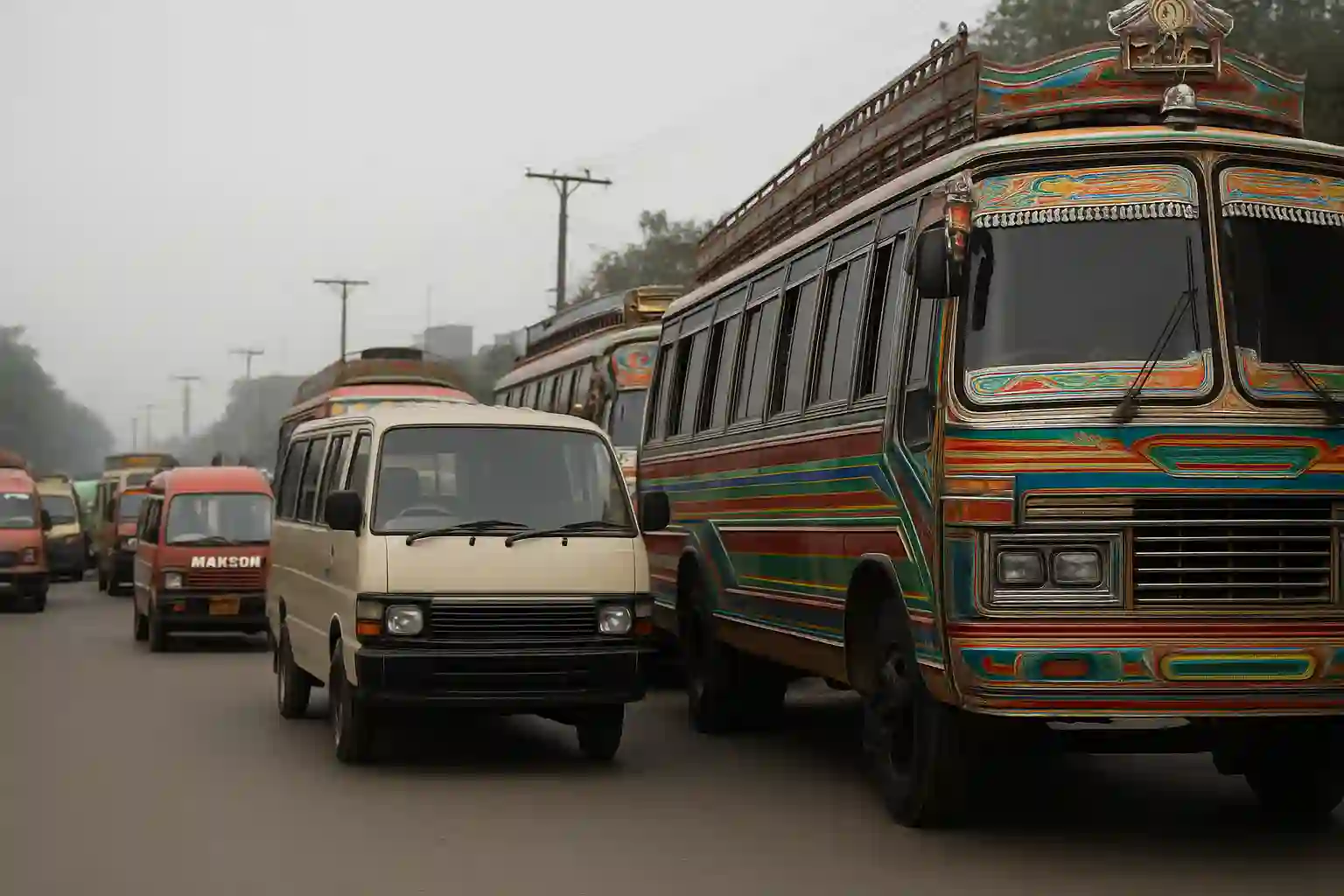
The wheel-jam strike will bring almost all public transport services to a standstill, including:
- Inter-city buses
- Inter-district transport
- Intra-city wagons and minibuses
- Student and employee shuttle services
- Private vans used for office staff and factory workers
This shutdown is expected to cause severe inconvenience for citizens who rely on public transport for daily commute.
Goods Transport and Supply Chains
A large portion of Pakistan’s economic activity depends on the smooth movement of goods across the country. Transport unions have announced that goods carriers will also participate in the strike. As a result:
- Wholesale markets may face supply shortages
- Retail stores may see delayed deliveries
- Industrial units may struggle to receive raw materials
- Export shipments may be affected
- Petrol pumps may face delayed fuel supply
Businesses already facing economic challenges fear further disruption if the strike continues for more than a day.
Markets and Industrial Zones
Union leaders warned that the strike will create a chain reaction across multiple sectors. With transport halted, markets, factories and business centers may not be able to operate smoothly. Traders say that production cycles in textile, manufacturing, and packaging industries could slow down significantly.

Transport Unions’ Demands
Transport representatives have outlined several demands that must be met before they consider calling off the strike. These include:
Withdrawal of the Revised Challan System
Unions want the government to revise or withdraw the heavy traffic fines, arguing that the current system is unrealistic and unaffordable for most transporters.
End to Vehicle Impoundment for Minor Violations
They are demanding a clear and consistent policy regarding impoundment to prevent financial losses caused by vehicles being held for long periods.
Assurance Against Harassment by Enforcement Authorities
Union leaders want strict guidelines for enforcement officers to prevent aggressive behavior at checking points.
Consultation Before Policy Changes
Unions say major decisions must include input from transporters, as they are directly affected by policy changes on roads and highways.

Statements from Union Leaders
Union spokespersons Asif Khan, Lala Suhail, and Tariq Khan said the decision for a complete strike was taken after consulting multiple sectors within the transport industry. They stated that the government had previously made promises to address their concerns but failed to take any practical steps.
According to the spokespersons, the new enforcement measures have pushed thousands of drivers into financial difficulty. They warned that Pakistan will be completely shut down on the strike day if the government does not respond positively.

Public Reaction and Concerns
Commuters Worried About Transport Shortage
Many daily commuters, especially office workers and students, have expressed concern about how they will travel if transport services remain suspended. Some say they may have to rely on expensive ride-hailing services or private arrangements.
Industrial and Business Community Alarmed
Business groups warn that even a one-day nationwide strike can cause:
- Production losses
- Delays in shipments
- Increase in operational costs
- Disruption in the food supply chain
Industrialists have urged the government to start immediate discussions with unions to avoid losses that may take weeks to recover.
Citizens Call for Negotiations
On social media, many citizens have requested both sides to negotiate instead of creating hardship for millions of people.
Government’s Position
While the government has not issued a detailed statement yet, officials say the purpose of strict enforcement is to promote road safety and reduce traffic violations. However, critics argue that fines alone do not solve safety issues unless combined with education, awareness campaigns, and better infrastructure.
Some insiders suggest that the government may consider holding talks with union leaders to avoid a major nationwide breakdown.
Economic Implications
A nationwide transport strike can affect multiple areas of the economy:
Loss of Daily Productivity
Factories and offices may see reduced attendance due to transport unavailability.
Inflationary Pressure
Supply disruptions can lead to temporary price increases for essential goods.
Impact on Exports
Delays in transporting raw materials and finished goods can affect export commitments, especially in textiles and agriculture.
Fuel and Energy Sector Challenges
Delayed fuel transportation can cause temporary shortages at petrol stations and industries dependent on diesel generators.
What Happens If the Strike Continues?
If the government and unions fail to reach an agreement, the strike could extend beyond a single day. In such a case:
- Public life could face severe disruption
- Prices of essential items may rise
- Business losses could multiply
- Supply chains may need weeks to recover
Experts say prolonged strikes can significantly slow down economic activity, especially in developing nations like Pakistan.
Conclusion – Transport Unions Nationwide Strike Across Pakistan
The decision by transport unions to declare a nationwide strike reflects the growing tension between enforcement authorities and transporters. With millions of people depending on transport services every day, the upcoming wheel-jam strike may cause major disruptions across Pakistan.
The only way forward appears to be meaningful dialogue between the government and transport unions. Both sides will need to show flexibility to avoid a complete shutdown of public life and economic activity.