Trump Orders Stricter Visa Requirements for High-Skilled Workers – H-1B Rules Tightened for 2025
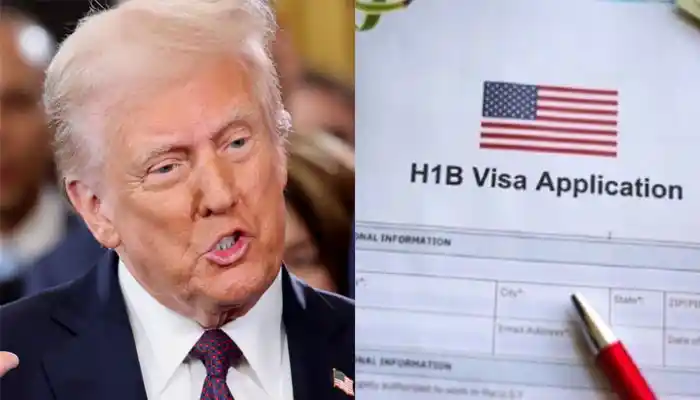
The United States has once again tightened its immigration framework for high-skilled foreign workers. President Donald Trump has ordered stricter requirements for the H-1B visa, directing American diplomats to conduct more detailed background checks on applicants. The decision is expected to significantly impact engineers, IT specialists, researchers, and professionals from countries like India, China, and Pakistan, who rely heavily on the H-1B visa to work in the US technology and innovation sectors.
This new order has raised questions about America’s future hiring policies, the effect on global tech companies, and the challenges foreign professionals may face under these updated rules. Below is a detailed look at the new visa restrictions, reasons behind the decision, and its potential global impact.
Check Also: Canada Eases Study Permit Rules for International MS and PhD Students – Fast Visa Processing From 2026
What Triggered the Stricter H-1B Visa Requirements?
President Trump has long argued that US companies must prioritize American workers over foreign talent. Although tech companies strongly oppose strict visa limits, Trump’s administration believes that tightening H-1B scrutiny will reduce misuse, fraud, and manipulation in the US skilled-worker visa program.
The new policy also aligns with Trump’s broader immigration agenda, which includes:
- Limiting foreign worker inflow
- Increasing job opportunities for Americans
- Preventing visa misuse by companies outsourcing work
- Enhancing national security through stronger background checks
This decision marks another major immigration shift as Trump continues to tighten US visa channels.
What Changes Have Been Ordered for H-1B Visa Applicants?
According to the instructions issued by the US State Department, all American embassies and consulates worldwide must enforce more rigorous screening measures for H-1B visa applicants. The new process includes:
1. Deep Review of Résumés and Job Backgrounds
Diplomats must carefully examine:
- Applicant résumé details
- Professional qualifications
- Employment history
- Skills and job roles
Any inconsistencies may lead to visa rejection.

2. LinkedIn and Online Profile Scrutiny
A major new requirement is the verification of applicants’ LinkedIn profiles. Officers will compare résumé and LinkedIn details to detect false claims, mismatched experience, or misrepresentation.
This is the first time the US has officially mandated social media checks for high-skilled visas.
Check Also: Breaking News: Punjab Announces Smart Syllabus for 9th Class Students 2025

3. Family Members’ Background Verification
Surprisingly, the new policy also requires a review of the profiles of individuals traveling with the applicant, including spouses or dependents.
This means entire families will undergo strict digital and professional scrutiny.
4. Censorship-Related Activity Will Lead to Disqualification
The most controversial clause states that anyone found involved in:
- online censorship,
- content manipulation,
- or suppression activities
will be automatically disqualified from receiving an H-1B visa.
The US government argues that such activities violate principles of free expression and digital transparency.
Why Are H-1B Visas So Important?
The H-1B visa is the backbone of America’s tech industry. Each year, thousands of skilled workers from abroad fill critical roles in:
- software engineering
- artificial intelligence
- cloud computing
- data science
- cybersecurity
- healthcare technology
Companies like Google, Amazon, Meta, Apple, and Microsoft rely heavily on hiring foreign professionals, particularly from India and China.
For years, the tech industry has argued that the US does not have enough local talent to fill these specialized roles.
How Will the New Rules Impact Tech Companies?
1. Hiring May Slow Down
The increased screening process may delay approvals and reduce the number of skilled foreign workers entering the US job market.
2. Companies Could Face Talent Shortages
Highly technical fields require global expertise. If hiring slows, innovation and productivity could be affected.
3. Outsourcing May Increase
Companies unable to bring workers to the US may shift operations abroad, particularly to India, Vietnam, or Eastern Europe.
4. Increased Costs for Employers
More documentation, legal support, and recruitment efforts will raise operational expenses.
Impact on Applicants from India, China, and Pakistan
India
India is the largest source of H-1B applicants. Tighter rules mean many Indian engineers, IT professionals, and students may face rejections despite strong credentials.
China
Chinese applicants will face tougher scrutiny due to increasing US-China political tensions.
Pakistan
Pakistani tech professionals using H-1B routes through US outsourcing companies, banks, or IT firms may also experience stricter evaluation.
Reactions from the Global Tech Community
Silicon Valley leaders have expressed concern, stating that innovation relies on a multicultural and international workforce. Many US companies supported Trump politically but oppose strict limits on skilled immigration.
Some experts say the move is more political than economic, intended to align with Trump’s “America First” policy.
Will the New Policy Affect US Competitiveness?
Analysts warn that restricting high-skilled immigration could weaken the US in several ways:
- Reduced global innovation competitiveness
- Slower technological advancement
- Loss of top international talent
- Increased investment in foreign R&D hubs
A recent study showed that nearly 40% of Silicon Valley startups were founded by immigrants. Limiting visas may discourage talented individuals from applying in the future.
Why Is Social Media Verification Being Introduced?
The US has increased online screening across all visa categories in recent years. Social media reviews help authorities confirm:
- True job experience
- Authentic qualifications
- Real professional connections
- Applicant identity verification
- Absence of extremist or suspicious activities
LinkedIn, being a professional platform, is now considered an essential verification tool.
Will Current H-1B Holders Be Affected?
The new scrutiny applies mainly to new applicants.
However, those seeking:
- visa renewal
- company transfers
- or new employment offers
may also face background reviews, including LinkedIn checks.
What Should Applicants Do Now?
✔ Keep all résumé details accurate
✔ Update LinkedIn with correct job history
✔ Ensure no contradictions between documents
✔ Maintain transparency in job experience
✔ Avoid involvement in political or censorship activities
✔ Prepare strong documentation before visa interviews
Being fully prepared will increase approval chances.
Check Also: Breaking News: NADRA Issues Urgent Advisory on CNIC Collection to Avoid Delays and Extra Fees
Conclusion About Trump H-1B Visa Rules:
The tightening of H-1B visa requirements shows a clear shift toward stricter immigration policies under President Trump. While the US aims to prioritize American workers, the global tech industry fears losing essential international talent. Applicants will now face deeper scrutiny, including résumé verification and social media profile checks, particularly LinkedIn.
Countries like India, China, and Pakistan — major sources of skilled workers — will feel the strongest impact. As the situation evolves, both companies and applicants must stay updated and prepare for a more competitive and complex H-1B application process.
FAQ (SEO-Optimized)
1. What changes has Trump made to H-1B visa requirements?
President Trump has ordered stricter screening for high-skilled worker visas, requiring detailed reviews of résumés, LinkedIn profiles, and family members’ backgrounds. Applicants found involved in censorship or suspicious activities will be disqualified.
2. Why is the H-1B visa important for tech companies?
The H-1B visa allows US tech companies to hire skilled foreign workers in fields like software engineering, AI, and cybersecurity. Many US firms depend on international talent due to shortages of highly skilled domestic workers.
3. What will be checked during the new H-1B visa screening process?
Diplomats will verify résumé details, professional history, LinkedIn profiles, job roles, and even the backgrounds of accompanying family members. Consistency between documents and online profiles will be essential.
4. Will applicants from India, China, and Pakistan be affected?
Yes. These countries make up a large share of H-1B applicants, especially India and China. Stricter vetting may increase delays, rejections, or additional verification requirements.
5. Does the new visa policy affect current H-1B holders?
The rules primarily apply to new applicants. However, existing H-1B holders seeking extensions, transfers, or new employment may also face enhanced scrutiny