
US Expands Travel Restrictions List from 19 to Over 30 Countries – New Security Rules Explained
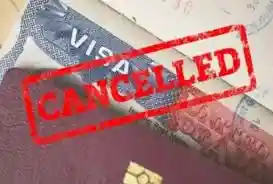
The United States is preparing to significantly expand its list of countries facing travel restrictions, increasing the number from 19 to more than 30 nations. According to US officials, this move is part of a stricter national security framework being reviewed under President Donald Trump’s administration.
This development follows earlier decisions where the US government tightened immigration controls for select countries due to heightened security threats, public safety concerns, and inconsistent cooperation on identity verification standards.
As global travel continues to change rapidly, Washington is now considering adding several more countries to its restricted list—potentially impacting thousands of travelers, immigrants, and visa applicants around the world.
Why the US Is Increasing Travel Restrictions
US Homeland Security Secretary Kristi Noem stated that President Trump is reviewing which additional countries should face stricter travel rules. The primary reasons behind the expansion include:
- National security threats
- Unverified identity and documentation concerns
- Lack of cooperation from certain foreign governments
- Irregular migration patterns
- Public safety risks
The administration claims that these new steps are necessary to protect American borders and ensure that individuals entering the US can be properly screened.
Read Also: Breaking News: NADRA Issues Urgent Advisory on CNIC Collection to Avoid Delays and Extra Fees

Earlier Restrictions Already Imposed on 19 Countries
At the start of the month, it was reported that the Trump administration had halted all immigration applications from 19 non-European countries, including:
- Green Card processing
- Naturalization (US citizenship)
- Family-based immigration petitions
- Diversity visa applications
This was a major escalation of the earlier partial restrictions imposed in June.
These initial restrictions targeted migrants from countries that US officials believe do not meet American identity-verification or security-screening standards.

Which Countries Currently Face Full US Travel Bans?
According to Reuters, the following countries—already facing partial restrictions—were placed under stricter or full travel bans:
Countries with full or near-complete entry bans:
- Afghanistan
- Burma (Myanmar)
- Chad
- Democratic Republic of Congo
- Equatorial Guinea
- Eritrea
- Haiti
- Iran
- Libya
- Somalia
- Sudan
- Yemen
In many of these cases, the US imposed total entry bans, meaning citizens of these nations cannot enter the United States under almost any visa category.

Countries Facing Partial or Conditional Travel Restrictions
Other countries subjected to partial restrictions in June include:
- Burundi
- Cuba
- Laos
- Sierra Leone
- Togo
- Turkmenistan
- Venezuela
These countries may face limitations such as:
- Suspended visa categories
- Additional security checks
- Delays in immigration processing
- Restricted travel permissions

Why These Countries Were Selected
The US government typically evaluates countries based on:
- Passport and identity document security
- Information-sharing with US agencies
- Counter-terrorism cooperation
- Border-control systems
- Crime and trafficking risks
- Human-rights conditions
Countries failing to meet key benchmarks are often placed on the restricted-travel list.
More Countries May Be Added Soon
US officials confirmed that the government is still reviewing the global situation and more countries may be added to the list. This means:
- Stricter visa processing
- Possible bans on new immigration applications
- Delays for students, workers, and visitors
- Increased screening for refugees
- Expansion of “inadmissible traveler” categories
With Trump’s national security agenda intensifying, immigration analysts expect additional announcements in the coming weeks.
Read Also: Gold Price in Pakistan Today 5 December 2025 — New Per Tola & Per Gram Prices Updated
Impact on Immigrants, Families & Travelers
The expanded list will likely affect:
1. Immigrant families
Individuals already in the US may face delays in sponsoring relatives.
2. Students
Study-visa applicants from affected countries may experience longer processing times or outright denials.
3. Workers & professionals
Work visas could be suspended or heavily restricted.
4. Refugees
Refugee resettlement programs may halt completely for selected nations.
5. Tourism and travel
Visitors may face visa rejections or additional screening.
This may heavily impact migrant communities who rely on family-reunification and employment opportunities in the US.
Role of Homeland Security and State Department
The Department of Homeland Security (DHS) and the State Department jointly assess:
- Threat intelligence
- Migration patterns
- Passport system security
- Embassy reporting
- Cooperation levels of foreign governments
Their combined evaluation determines whether restrictions should be:
- Added
- Expanded
- Reduced
- Removed
In this case, DHS has recommended expanding the list due to unresolved security concerns.
International Response and Criticism
Many human-rights groups argue that the expanding travel ban:
- Unfairly targets specific regions
- Causes hardships for innocent families
- Disrupts education and career plans
- Damages international relations
However, the US government insists that the restrictions are not targeted toward any religion or ethnicity, but are based solely on passport security standards and national interest.
What Happens Next?
As officials continue reviewing additional countries, there may be further announcements regarding:
- Updated travel bans
- New visa conditions
- Expanded security screening
- Waivers or exceptions in special cases
Travelers from affected countries are advised to:
- Check US embassy websites regularly
- Keep immigration documents updated
- Avoid unnecessary travel until clarity is provided
- Seek legal assistance if needed
More updates are expected from DHS in the coming weeks.
Conclusion – A Major Shift in US Immigration Policy
The decision to expand the restricted travel list from 19 to over 30 countries reflects a major shift in the United States’ immigration and national-security strategy.
As President Trump evaluates more countries for potential restrictions, millions of travelers and immigrants worldwide may face new limitations, delays, and changes in the visa process.
For now, the situation remains fluid, and further updates will determine the long-term impact on global mobility, international relations, and immigrant communities around the world.
FAQs – US Expands Travel Restrictions to Over 30 Countries
1. Why is the US expanding its travel restrictions list?
The US is increasing its travel restrictions due to national security concerns, documentation verification issues, irregular migration patterns, and lack of cooperation from some foreign governments.
2. How many countries currently face US travel restrictions?
So far, 19 countries were already under partial or full restrictions. The US is preparing to expand this list to more than 30 countries.
3. Which countries face full or near-complete entry bans?
Countries already facing strict or full travel bans include Afghanistan, Burma, Chad, Democratic Republic of Congo, Equatorial Guinea, Eritrea, Haiti, Iran, Libya, Somalia, Sudan, and Yemen.
4. What types of immigration applications were stopped earlier?
The US halted immigration applications such as Green Cards, citizenship requests, family petitions, and some visa categories for individuals from previously restricted countries.
5. What countries face partial travel restrictions?
Partial restrictions apply to countries including Burundi, Cuba, Laos, Sierra Leone, Togo, Turkmenistan, and Venezuela.