US Lawmakers Demand Sanctions Over ‘Acts of Intimidation’ in Pakistan – Full Analysis (2025)
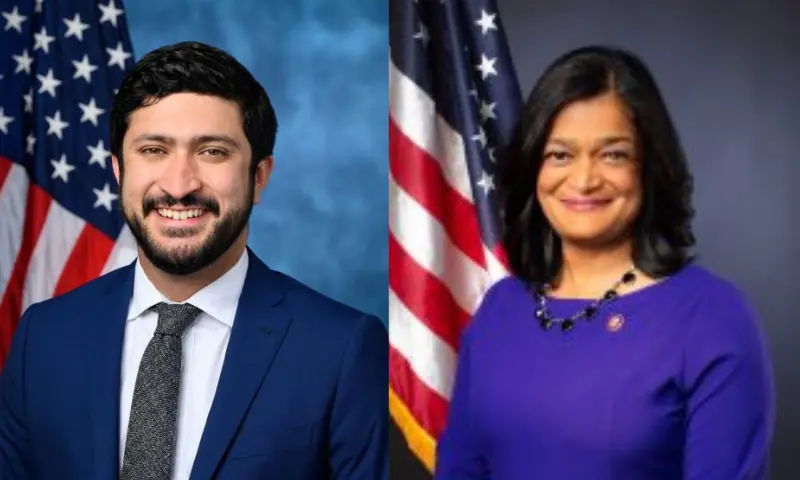
The political relationship between Pakistan and the United States has entered another tense phase after 44 Democratic members of the US House of Representatives wrote a powerful letter to Secretary of State Marco Rubio, urging immediate action against senior Pakistani officials. The lawmakers accuse Pakistani authorities of carrying out transnational repression, violating human rights, and intimidating critics — even those living abroad.
This article provides a complete 1500-word analysis, including background, key accusations, political implications, reactions, and what this development means for both countries.
H2: Why US Lawmakers Are Demanding Action Against Pakistan
According to the letter, US lawmakers believe that Pakistan is undergoing a deepening authoritarian crisis, where the state is allegedly using its power to suppress opposition, silence journalists, and target citizens abroad.
The letter argues that individuals in the Pakistani diaspora, especially in the United States, have faced threats or retaliation because of their criticism of Pakistan’s military establishment.
Key Reasons Behind the Lawmakers’ Move
- Reports of harassment of US citizens by Pakistani authorities
- Alleged intimidation of families in Pakistan
- Increasing complaints about arbitrary detentions
- Concerns over 2024 election irregularities
- Rising reports of transnational repression
This is not the first time US lawmakers have raised concerns, but the scale of this letter — signed by 44 Democrats — shows unprecedented pressure on Washington to respond.
Check Also: Breaking: NADRA Announces Intelligence Officer Jobs 2025 Across Pakistan – City-Wise Vacancies

H2: Who Led the Effort? Key US Lawmakers Involved
The initiative was led by:
- Congresswoman Pramila Jayapal
- Congressman Greg Casar
Both are well-known for their human rights advocacy. The letter also includes signatures from:
- Ilhan Omar
- Rashida Tlaib
These lawmakers have previously spoken about Palestinian rights, Muslim causes, and concerns about democratic backsliding in various countries.
Why These Names Matter
They are influential voices within the Democratic Party and have strong support among progressive voters. Their combined action adds significant weight to the issue and signals a serious diplomatic challenge for Pakistan.

H2: What Accusations Are Mentioned in the Letter?
According to the letter, the lawmakers accuse Pakistani authorities of:
H3: 1. Transnational Repression
This refers to a country targeting critics living abroad. Examples given include:
- Threats to dissidents
- Pressure on family members
- Retaliatory violence
H3: 2. Arbitrary Detentions & Political Crackdowns
Lawmakers claim:
- Opposition leaders have been jailed without charges
- Many are kept in indefinite pretrial detention
- Fair trials are being denied
H3: 3. Harassment of Journalists
Some journalists, including those based outside Pakistan, reportedly faced:
- Abductions
- Threats
- Forced exile
- Targeted intimidation
The letter specifically mentions Virginia-based journalist Ahmad Noorani, whose brothers were allegedly abducted for over a month due to his reporting on military corruption.
H3: 4. Suppression of Free Speech
Ordinary citizens have reportedly been arrested for:
- Social media posts
- Criticism of state institutions
- Online activism
Women, minorities, and marginalised groups, especially in Balochistan, are claimed to be facing disproportionate persecution.
Check Also: Poorest Districts in Pakistan 2025 – New Report Shows 17 Out of 20 Are in Balochistan
H2: What Measures Did the Lawmakers Demand?
The letter calls on the US government to impose strict punitive measures, including:
H3: Global Magnitsky Sanctions
These sanctions target individuals linked to:
- Human rights abuses
- Corruption
- Illegal activities
The measures may include:
- Visa bans
- Asset freezes
- Financial restrictions
H3: Protection for US-Based Critics
The lawmakers want Washington to:
- Offer better protection to US residents threatened by foreign governments
- Monitor intimidation cases more closely
H3: Release of Political Prisoners
The lawmakers specifically call for:
- The release of former Prime Minister Imran Khan
- The release of other detained political activists and journalists
This part of the letter links the issue directly to Pakistan’s internal politics.

H2: Concerns About Pakistan’s 2024 Elections
The letter references:
- Irregularities documented by independent observers
- Statements made earlier by the US State Department
- Allegations of result manipulation
Washington has already expressed concerns in past months, calling for a full investigation into reported electoral issues.
Why the Election Issue Matters
It suggests that:
- The US no longer views Pakistan’s democratic processes as credible
- Future bilateral cooperation may depend on political reforms
H2: How Pakistan Responded to the Letter
According to the report, there has been no immediate response from:
- Pakistan’s Foreign Office
- The Pakistani embassy in Washington
This silence may indicate that:
- Pakistan is still assessing the impact
- The government may respond diplomatically later
- Officials may prefer not to escalate tensions
H2: Political Impact Inside Pakistan
This development could have major consequences:
H3: Pressure on the Government
If sanctions are imposed:
- Senior officials could lose international access
- Assets abroad could be frozen
- Diplomatic isolation may increase
H3: Boost for Opposition Groups
Human rights groups sympathetic to PTI, including First Pakistan Global, have already welcomed the letter.
Such international support strengthens:
- The PTI’s narrative of political victimization
- Calls for the release of Imran Khan
- Demands for fair elections
H2: What Is the Pakistan Freedom and Accountability Act?
Earlier this year, US lawmakers introduced HR 5271, known as the “Pakistan Freedom and Accountability Act.”
Purpose of the Act
- To impose legal sanctions
- To demand transparency in Pakistan’s political and judicial system
- To protect democratic institutions
This act is still waiting for a vote in the House Foreign Affairs Committee.
Why It Matters Now
The new letter aligns with HR 5271 and increases pressure on Washington to take concrete action sooner.
H2: What Happens Next? Important Future Steps
The lawmakers have requested a response from Secretary Marco Rubio by December 17, 2025.
Possible Scenarios
- Sanctions Imposed
This would trigger diplomatic tensions and economic consequences. - Diplomatic Negotiations
Pakistan might engage in dialogue to avoid sanctions. - Continued Pressure
More resolutions, debates, and hearings could follow.
H2: How This Affects US–Pakistan Relations
US-Pakistan relations have historically been shaped by:
- Security cooperation
- Counterterrorism
- Military ties
- Economic assistance
However, human rights concerns are becoming increasingly central.
Check Also: Gold Price in Pakistan Today 18 November 2025 – Latest 24K & 22K Prices Updated
Potential Long-Term Outcomes
- Reduced military cooperation
- Slower economic support
- Increased monitoring of Pakistan’s internal issues
- Stronger ties with Pakistan’s civil society instead of state institutions
H2: Conclusion — A Critical Turning Point
The letter from 44 US lawmakers marks one of the strongest international warnings Pakistan has faced in recent years regarding:
- Human rights
- Democratic freedoms
- Treatment of diaspora critics
If Washington decides to apply sanctions, it could reshape Pakistan’s political landscape and redefine bilateral relations. The coming weeks will reveal how seriously the US administration treats these demands — and how Pakistan responds to the growing global scrutiny.
US–Pakistan Intimidation Case FAQs
1. Why did US lawmakers write a letter about Pakistan?
They wrote the letter to urge action against alleged human rights abuses and transnational repression by Pakistani authorities.
2. What actions did the lawmakers ask the US government to take?
They demanded Global Magnitsky sanctions, visa bans, and asset freezes on officials involved in intimidation.
3. Which Pakistani case was highlighted in the letter?
The letter mentioned journalist Ahmad Noorani, whose family members were allegedly abducted after his corruption reporting.
4. Did the lawmakers comment on Pakistan’s 2024 elections?
Yes, they raised concerns about election irregularities and urged further investigation.
5. What do the lawmakers want regarding Imran Khan?
They called for the release of Imran Khan and other political prisoners in Pakistan.