
Viral Leaked Videos 2026 | Payal Gaming, Fatima Jatoi to Arohi Mim – South Asia’s Biggest Influencers Involved
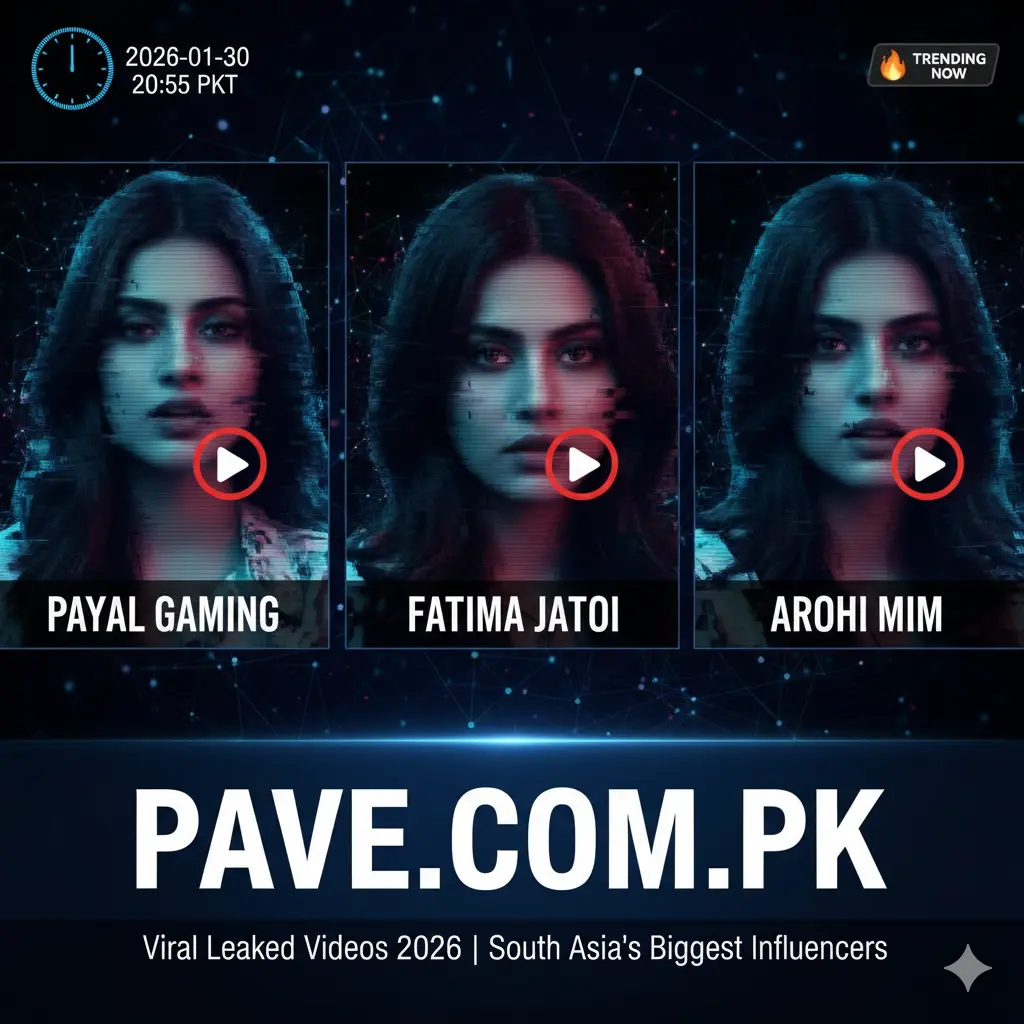
In early 2026, South Asia’s digital space has been shaken by a coordinated surge of so-called “leaked video” trends. While the headlines look sensational, investigations by cybersecurity professionals tell a very different story. These are not real leaks. They are part of a large-scale scam ecosystem combining AI deepfakes, phishing, and malware distribution.
This is not random gossip. It is organized, repeatable, and profitable cybercrime.
1. Who Is Being Targeted and Why?
Scammers deliberately use high-reach influencers to trigger mass curiosity and search traffic. The goal is not the person, but the clicks their name can generate.
| Influencer | Country | Claimed Video Length | Verified Reality |
|---|---|---|---|
| Payal Gaming | India | 1:20 minute | 100% fake. Payal Dhar publicly confirmed the clips are AI-generated deepfakes. |
| Arohi Mim | Bangladesh | 3:24 / 19:34 | Fake. “Previews” traced to old drama footage or AI loops. |
| Fatima Jatoi | Pakistan | “Full link” | Hoax keyword used to funnel users into malware-heavy Telegram groups. |
| Alina Amir | Pakistan | 7:11 minutes | Fake. Alina has announced a cash reward for identifying the creators. |
The pattern is consistent across borders. Only the names change.

2. Why “7 Minutes 11 Seconds” Keeps Appearing
The oddly specific 7:11 timestamp is not accidental. It is a psychological and algorithmic tool.
How it works
- Search manipulation: A precise duration looks “authentic,” helping scammers dominate Google, TikTok, and X searches.
- Trust bypass: People are more skeptical of vague claims like “leaked clip,” but far more likely to click something labeled exactly 7:11.
- Automation friendly: Once one timestamp trends, it can be reused endlessly with different names.
The result is a self-feeding loop where search interest creates visibility, and visibility creates more searches.

3. Inside the Scam: What Happens After You Click
If you follow a link claiming to show the “original video,” the outcome is almost always one of these:
Phishing
- Fake Telegram, Instagram, or Facebook login pages
- “Age verification” pop-ups asking for credentials
- Accounts hijacked within minutes
Malware
- Forced downloads of “HD Video Player” or APK files
- Spyware that can access:
- Banking apps
- Photo galleries
- Saved passwords
Ad-Farming
- Endless loops of ads or blurred thumbnails generating revenue for scammers
There is no full video at the end of this chain.

4. Why Experts Call This “Gendered Digital Terrorism”
Cybersecurity analysts increasingly describe this wave as gendered digital violence, especially against women.
- Deepfake weaponization: AI tools can now fabricate realistic explicit content using publicly available photos.
- Cultural pressure: In conservative societies, reputation damage carries severe personal and family consequences.
- Silence as a tactic: Many victims stay quiet to avoid escalation, which scammers exploit further.
Some influencers have chosen silence. Others have taken legal action through agencies like Pakistan’s Federal Investigation Agency and India’s cyber cells. Both approaches come at a cost.

5. How to Protect Yourself: The Pause–Verify–Report Rule
Before clicking anything trending as “leaked,” follow this checklist:
Pause
- Sensational + timed + “original link” = red flag
Verify
- Check the URL carefully
- telegrarn.com (fake) instead of telegram.com
- Shortened links like bit.ly
- Look for confirmation only on:
- Blue-tick influencer profiles
- Established media outlets (Geo News, Zee News, etc.)
Report
- Mark posts as Spam or Harassment
- Reporting helps platform algorithms suppress the scam faster
Legal Reality (Important)
Under Pakistan’s PECA law and similar regional cybercrime laws, sharing or possessing deepfake intimate content is a criminal offense. Even forwarding “for fun” can lead to years of imprisonment and heavy fines.
The Bottom Line
The 2026 “leaked video” wave is not about scandals.
It is about AI abuse, phishing economics, and algorithm manipulation.
The real damage is not views or clicks. It is:
- Stolen identities
- Compromised devices
- Destroyed reputations
Curiosity is exactly what this scam depends on. The safest response is simple: do not click, do not share, and report immediately.