Warning Issued as PTA Blocks More Than 100 Fake E-Challan Websites
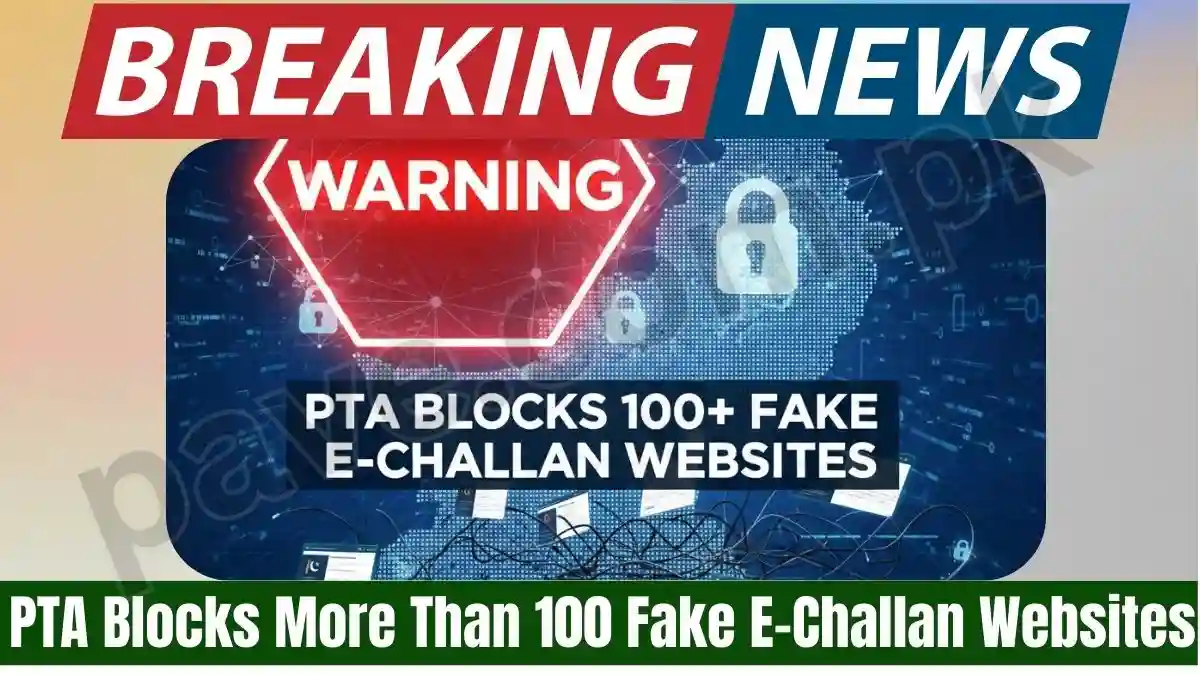
Warning Issued as PTA Blocks More Than 100 Fake E-Challan Websitesthat were scamming citizens across Pakistan. These fraudulent websites were designed to look like official traffic police or government portals and were used to steal personal data, CNIC numbers, and banking information from unsuspecting users.
With the increasing shift toward digital traffic management systems and online fine payments, cybercriminals have taken advantage of public trust in e-government services. The PTA’s latest action highlights the growing threat of online fraud related to E-Challan systems and the urgent need for public awareness.
PTA Blocks Over 100 Fake E-Challan Websites
The PTA confirmed that it has blocked more than 100 fake E-Challan websites operating across Pakistan. These websites were hosted on local and international servers and were promoted through social media ads, SMS messages, WhatsApp forwards, and fake Google search results.
According to PTA officials, the blocked websites were impersonating:
- Traffic Police departments
- Safe City Authorities
- Provincial Excise & Transport departments
- E-government payment portals
The primary goal of these websites was to steal sensitive user data and, in many cases, directly withdraw money from bank accounts.

What Are Fake E-Challan Websites?
Fake E-Challan websites are fraudulent online portals that pretend to offer services such as:
- Checking traffic fines
- Paying E-Challans online
- Verifying vehicle registration
- Downloading challan slips
These sites closely resemble official government websites by using similar logos, layouts, domain names, and color schemes, making it difficult for ordinary users to identify them as fake.
How the Fake E-Challan Scam Works
Step-by-Step Scam Process
- Fake Alert or Advertisement
Users receive an SMS, WhatsApp message, or see a sponsored ad claiming they have an unpaid traffic challan. - Fraudulent Website Link
The message includes a link to a fake E-Challan website that looks legitimate. - Data Collection
The website asks for personal information such as:- CNIC number
- Vehicle registration number
- Mobile number
- Debit/Credit card details
- Financial Theft
Once details are entered, scammers misuse the information to:- Steal money
- Commit identity fraud
- Access bank accounts
- Website Disappears
Many fake sites shut down after scamming users, making recovery difficult.

PTA’s Official Warning to the Public
The PTA has urged citizens to remain cautious while accessing online E-Challan services. In its official advisory, the authority warned that:
- Government departments do not send random payment links via SMS or WhatsApp
- Only official government websites should be used for challan verification and payment
- Citizens should report suspicious websites immediately
The PTA emphasized that cybercrime cases related to fake E-Challan portals have increased sharply in 2025–2026, prompting strict enforcement actions.

Why Fake E-Challan Websites Are Increasing in Pakistan
Several factors have contributed to the rise of fake E-Challan websites:
1. Growth of Digital Payments
With more Pakistanis using online banking and mobile wallets, scammers see an opportunity to exploit digital users.
2. Limited Public Awareness
Many users are still unfamiliar with how official government websites work.
3. High Trust in Government Services
People generally trust traffic police and government portals, making scams more effective.
4. Easy Website Creation
Fake websites can be created quickly using cheap hosting and misleading domain names.
How to Identify a Fake E-Challan Website
To protect yourself, always look for these red flags:
- ❌ No “.gov.pk” domain
- ❌ Spelling or grammatical mistakes
- ❌ Urgent language like “Pay immediately or face arrest”
- ❌ Requests for full CNIC or card CVV
- ❌ No contact details or helpline
- ❌ Payment redirected to personal accounts
How to Safely Check and Pay E-Challan Online
Follow These Safety Tips
- ✅ Use only official government websites
- ✅ Type the website address manually instead of clicking links
- ✅ Verify the domain carefully
- ✅ Avoid sharing sensitive information
- ✅ Use official banking apps for payments
- ✅ Check PTA advisories regularly
What to Do If You Fall Victim to a Fake E-Challan Website
If you suspect fraud, take immediate action:
- Block Your Card
Contact your bank and block your debit or credit card. - Report to PTA
Submit a complaint through PTA’s official channels. - File a Cyber Crime Complaint
Report the incident to FIA Cyber Crime Wing. - Change Passwords
Update passwords for banking, email, and mobile apps. - Monitor Bank Statements
Keep checking for unauthorized transactions.
PTA’s Role in Combating Online Scams
The PTA plays a crucial role in:
- Blocking fake and malicious websites
- Coordinating with law enforcement agencies
- Monitoring digital platforms
- Issuing public safety alerts
- Promoting cyber awareness
The authority has reaffirmed its commitment to making Pakistan’s digital ecosystem safer for all users.
Government’s Future Plans to Prevent E-Challan Fraud
To curb online fraud, the government is working on:
- Centralized E-Challan portals
- Stronger website verification systems
- Public awareness campaigns
- Collaboration with Google and social media platforms
- Stricter cybercrime laws
These steps aim to reduce the risk of citizens falling victim to online scams.
FAQs – Fake E-Challan Websites in Pakistan
1. Why did PTA block fake E-Challan websites?
PTA blocked these websites because they were involved in online fraud, data theft, and financial scams targeting Pakistani citizens.
2. How many fake E-Challan websites has PTA blocked?
The PTA has blocked more than 100 fake E-Challan websites so far.
3. How can I check if an E-Challan website is official?
Always check for a “.gov.pk” domain and verify through official traffic police or government sources.
4. Does PTA send E-Challan payment links via SMS?
No. PTA and traffic police do not send direct payment links through SMS or WhatsApp.
5. What should I do if I entered my details on a fake website?
Immediately contact your bank, block your card, and report the incident to PTA and FIA Cyber Crime Wing.
Conclusion
The blocking of over 100 fake E-Challan websites by PTA is a strong reminder that cyber scams are evolving rapidly in Pakistan. While digital services bring convenience, they also demand greater caution from users.
By staying informed, verifying websites, and following PTA advisories, citizens can protect themselves from fraud and help create a safer digital environment. Always remember: when in doubt, don’t click—verify first.