
What is Sleet? Updated Snow Storm Sleet Forecast Today & Tonight
Cold weather systems are becoming more intense in many parts of the world, and terms like snow, sleet, freezing rain, and ice pellets are appearing more often in weather forecasts. Many people get confused when they hear the word sleet, especially during snow storm alerts issued for today and tonight.
So what exactly is sleet? Is it snow, rain, or ice? And why do meteorologists warn people to be careful when sleet is expected?
This article explains what sleet is, how it forms, how it is different from snow and freezing rain, and what the latest snow storm weather forecasts usually mean for daily life, travel, and safety.
What Is Sleet?
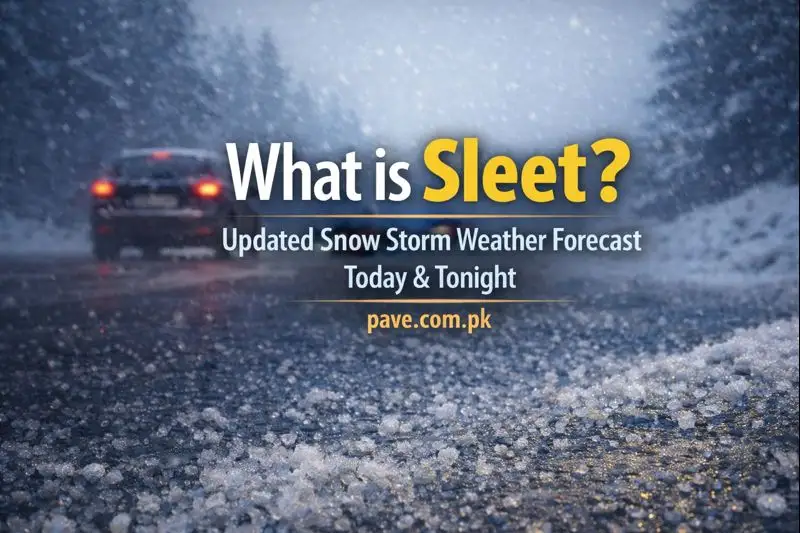
Sleet is a type of winter precipitation that falls as small ice pellets. It is not soft like snow and not liquid like rain. When sleet hits the ground, it usually bounces, which makes it easy to identify.
In simple words, sleet is frozen rain that turns into ice pellets before reaching the surface.
Sleet often falls during snow storms when the temperature in the air keeps changing between freezing and above freezing levels.

How Does Sleet Form?
To understand sleet, you need to understand how temperature layers work in the atmosphere.
Step-by-Step Formation of Sleet
- Snowflakes form high in the clouds where temperatures are below freezing
- The snowflakes fall into a warmer air layer and melt into rain
- Before reaching the ground, the rain enters a cold air layer again
- The raindrops freeze into small ice pellets
- These ice pellets fall as sleet
This mix of warm and cold air layers is common during snow storms and winter weather systems, especially in mountainous or northern regions.

Sleet vs Snow: What Is the Difference?
Many people think sleet and snow are the same, but they are very different.
Snow
- Soft ice crystals
- White and fluffy
- Sticks to surfaces
- Easier to walk or drive on compared to sleet
Sleet
- Hard ice pellets
- Transparent or slightly cloudy
- Bounces when it hits the ground
- Creates slippery and dangerous surfaces
Snow may look beautiful, but sleet is far more hazardous, especially for drivers.

Sleet vs Freezing Rain
This is another common confusion.
Freezing Rain
- Falls as liquid rain
- Freezes instantly on contact with surfaces
- Creates a smooth layer of ice
- Extremely dangerous for roads and power lines
Sleet
- Freezes before touching the ground
- Falls as solid ice pellets
- Does not coat surfaces smoothly
Both are dangerous, but freezing rain usually causes more power outages, while sleet causes road accidents.

Why Is Sleet Dangerous?
Sleet may look harmless, but it can cause serious problems.
Road Safety Risks
- Roads become slippery instantly
- Vehicles lose traction
- Increased chances of accidents
Walking Hazards
- Sidewalks turn icy
- Higher risk of slipping and falling
Aviation Issues
- Aircraft icing
- Flight delays and cancellations
This is why weather departments often issue snow storm and sleet warnings for today and tonight.
Snow Storm Weather Forecast: What “Today & Tonight” Usually Means
When weather reports say “snow storm forecast today and tonight”, it usually means:
- Active cold weather system is moving through the area
- Snow may change into sleet or freezing rain
- Temperatures are expected to fluctuate
- Travel conditions may worsen after sunset
Nighttime cooling increases the chances of sleet because temperatures near the ground often drop below freezing.
Latest Winter Weather Patterns
Recent winter systems show that many regions are experiencing mixed precipitation, meaning snow, sleet, and rain can fall in the same day.
Meteorologists are now focusing more on:
- Temperature changes at different heights
- Moisture levels in the air
- Wind direction and speed
This helps them predict whether snow will stay snow or turn into sleet.
How Meteorologists Predict Sleet
Predicting sleet is difficult because even a 1–2 degree temperature change can completely alter precipitation type.
Weather experts use:
- Weather balloons
- Satellite imagery
- Radar data
- Computer forecast models
Despite advanced technology, sleet remains one of the hardest winter events to forecast accurately.
How Long Does Sleet Usually Last?
Sleet typically lasts:
- A few hours during a storm
- Often during transition periods between snow and rain
If temperatures continue to fall, sleet may turn into snow.
If temperatures rise, it may change into rain.
What Should People Do During a Sleet Forecast?
Travel Advice
- Avoid unnecessary travel
- Drive slowly and carefully
- Keep extra distance between vehicles
Home Safety
- Clear walkways early
- Use salt or sand on icy surfaces
- Wear shoes with good grip
Emergency Preparation
- Keep warm clothing ready
- Charge mobile phones
- Stock basic food items
Weather authorities usually advise people to stay alert during snow storm warnings for today and tonight.
Can Sleet Accumulate Like Snow?
Sleet can accumulate, but not like snow.
- It does not pile up softly
- It creates a hard icy layer
- Even a thin layer can be dangerous
Sleet accumulation is more harmful than light snowfall because it quickly turns surfaces slippery.
Climate Change and Increasing Sleet Events
Many climate experts believe that rising global temperatures are increasing sleet events.
Why?
- Winters are becoming warmer
- More frequent temperature fluctuations
- More mixed precipitation instead of pure snow
This means sleet may become more common in future winter seasons.
Why Weather Alerts Emphasize Sleet
When sleet is mentioned in weather alerts, it is usually because:
- Road conditions can worsen quickly
- Accident risk increases
- Emergency services may face delays
This is why authorities often issue winter weather advisories even if snowfall amounts are low.
Common Myths About Sleet
Myth 1: Sleet Is Just Light Snow
False. Sleet is frozen rain, not snow.
Myth 2: Sleet Is Not Dangerous
False. Sleet is one of the most dangerous winter conditions.
Myth 3: Sleet Only Happens in Extreme Cold
False. It happens when temperatures move around the freezing point.
Conclusion – Updated Snow Storm Sleet Forecast Today & Tonight
Sleet is a unique and dangerous form of winter precipitation that sits between snow and rain. It forms due to changing temperature layers in the atmosphere and often appears during active snow storms.
When weather forecasts mention sleet or snow storm conditions for today and tonight, it is a serious warning to stay cautious. Sleet may not look dramatic, but it creates hazardous roads, walking surfaces, and travel conditions.
Understanding what sleet is and how it behaves can help people make safer decisions during winter weather events.
Staying informed, prepared, and cautious is the best way to deal with sleet and snow storm conditions.
Sleet is frozen rain that falls as ice pellets during winter storms. Weather experts warn that sleet can make roads extremely slippery, especially during snow storm conditions expected today and tonight.