Why In-N-Out Banned Number 67? Viral 6-7 Trend Explained
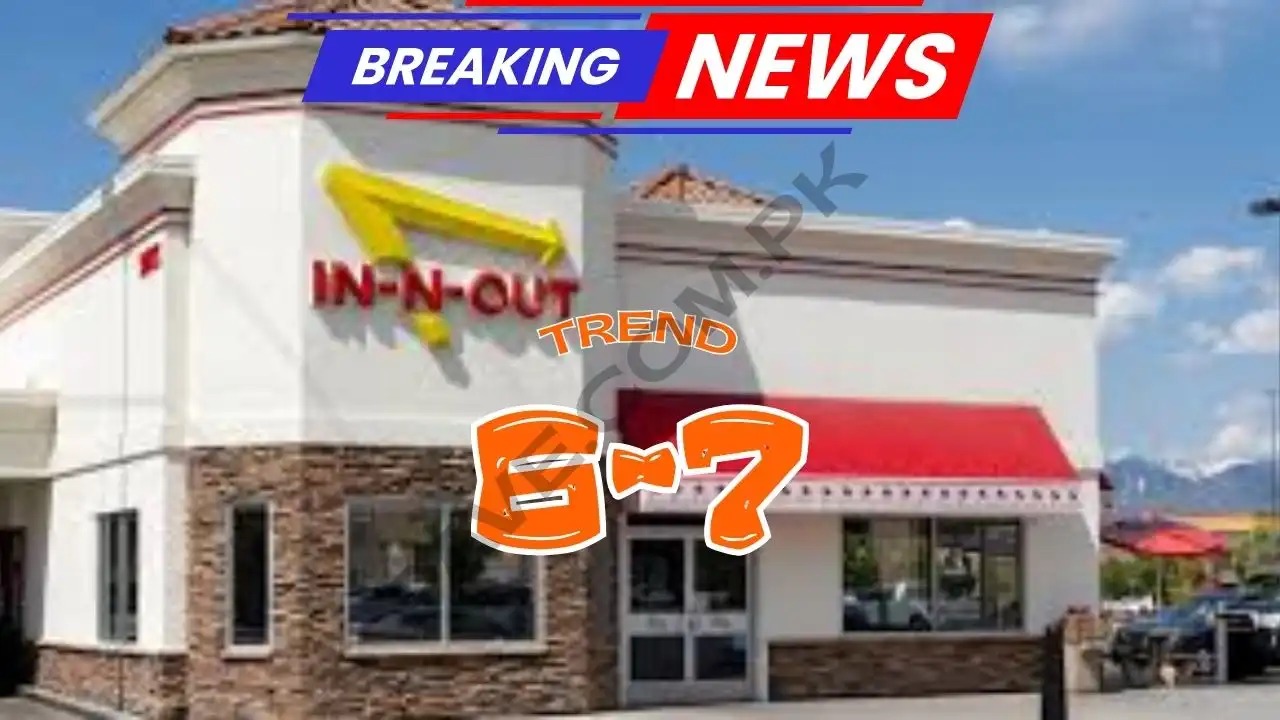
Over the last few days, a strange but fast-spreading social media trend — known as the “6-7 trend” — has forced a major fast-food chain, In-N-Out Burger, to take an unusual step: removing order number 67 from its system.
What started as a joke on TikTok and Instagram has now turned into a real-world disruption, grabbing headlines across US media outlets and pushing the number 67 into Google’s trending searches.
So what exactly is this trend, why is it causing chaos, and why did In-N-Out decide to act?
This article explains the full story, without hype or confusion.
What Is the Viral 6-7 Trend?
The 6-7 trend is a recent social media prank popular among teenagers, mainly spreading through TikTok, Instagram Reels, and Snapchat.
In these videos:
- Groups of teens enter fast-food restaurants
- Loudly chant or joke about “six… seven!”
- Order food repeatedly using specific order numbers
- Intentionally create noise, confusion, or disorder
Over time, the number 67 became strongly associated with this prank — especially at In-N-Out locations — turning it into a signal number for disruptive behavior.

How Did the Trend Affect In-N-Out Stores?
According to multiple reports from local US media:
- Teen groups were intentionally asking for or reacting to order number 67
- Some incidents involved food being thrown
- Employees reported disturbances and delays
- Normal customers faced longer wait times
- Staff safety and store order became concerns
While not every location experienced major issues, enough complaints were reported for the company to take the situation seriously.

Why Did In-N-Out Remove Number 67?
In-N-Out did not ban a menu item.
Instead, the company removed the number 67 from its internal order numbering system.
The goal was simple:
- Break the connection between the viral trend and in-store behavior
- Reduce prank motivation
- Restore calm and efficiency inside restaurants
By skipping the number entirely, staff could avoid triggering reactions linked to the trend.
This is a damage-control move, not a punishment for customers.
Is This the First Time a Brand Did Something Like This?
No.
Large brands often respond quietly to viral trends when:
- Customer experience is affected
- Staff safety becomes a concern
- A trend disrupts daily operations
Instead of making a big public statement, brands usually prefer low-profile operational fixes — exactly what In-N-Out did.

Why Did This Become a Big News Story?
Three main reasons:
- Oddity Factor
A fast-food chain removing a number sounds unusual — perfect for viral headlines. - Teen Social Media Culture
Any trend involving pranks, chaos, or rebellion spreads fast online. - Real-World Impact
This wasn’t just online — it affected physical stores, employees, and customers.
That combination pushed the story into “In the News” sections on Google.
Is Number 67 Banned Forever at In-N-Out?
As of now:
- There is no official statement saying the change is permanent
- The move appears temporary and situational
- If the trend dies down, numbering could return to normal
The company’s focus is on stability, not publicity.

What This Shows About Viral Trends Today
This incident highlights a bigger reality:
- Online jokes can spill into real life
- Businesses must react quickly to unexpected behavior
- Even something as small as a number can become a symbol
It’s a reminder that social media trends are no longer harmless, especially when they encourage disruptive actions.
Final Thoughts
The removal of number 67 by In-N-Out is not about superstition or branding — it’s about controlling chaos caused by a viral trend.
The 6-7 trend may fade soon, but it has already shown how fast online culture can influence offline spaces.
For now, In-N-Out’s quiet response seems to be working — and the internet has found yet another strange moment where memes met real life.