Why Valentine’s Day Is Celebrated on 14 February
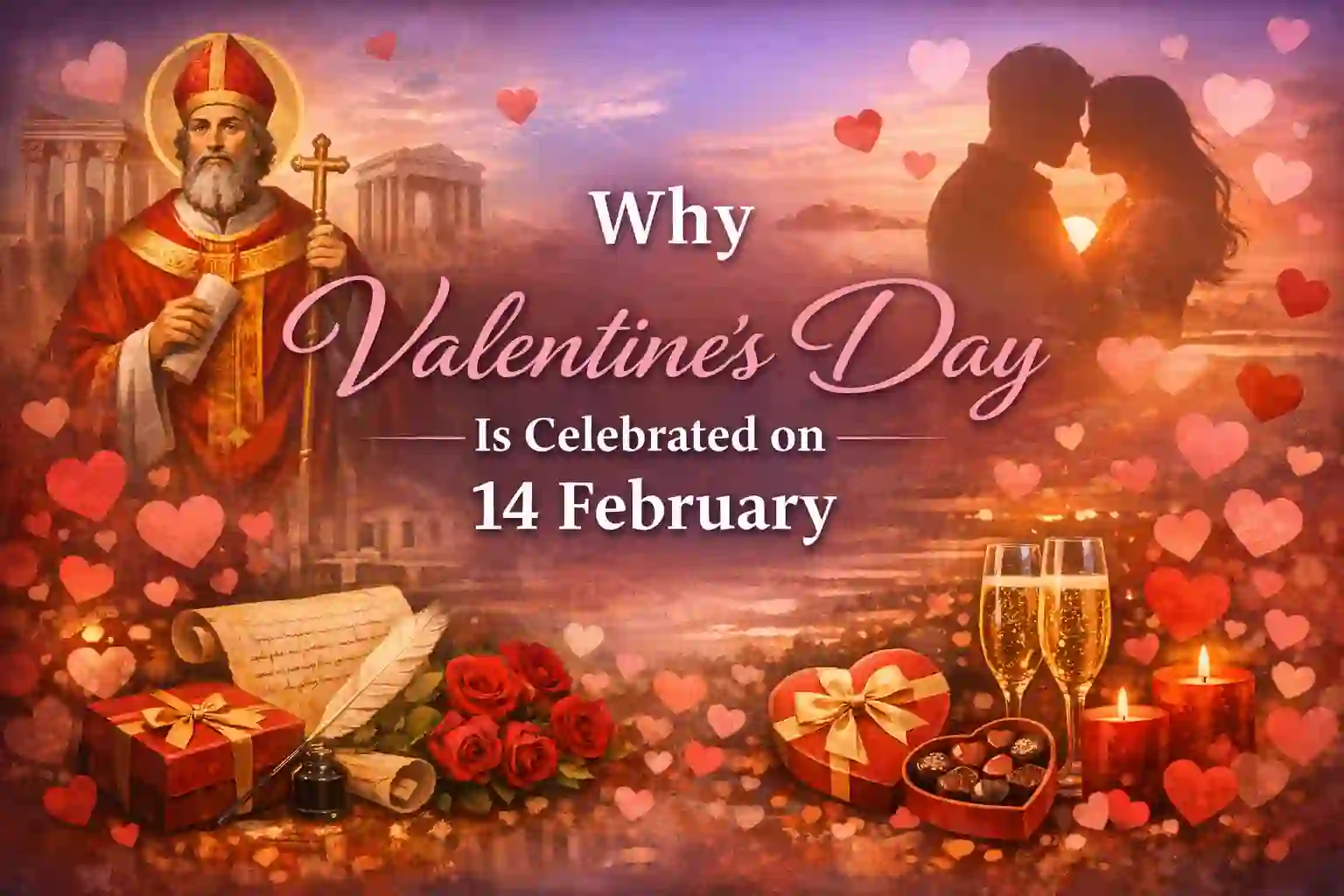
Every year on 14 February, millions of people around the world celebrate Valentine’s Day. Couples exchange gifts, flowers, chocolates, greeting cards, and heartfelt messages. Restaurants and cafes become crowded, flower shops sell out quickly, and social media fills with messages of love and friendship.
But many people still wonder: why exactly is Valentine’s Day celebrated on 14 February? Where did this tradition start? And who was Saint Valentine, the person behind the name?
The story behind Valentine’s Day is not as simple as many think. It combines ancient Roman traditions, religious history, and centuries of cultural changes that slowly turned the day into a global celebration of love.
In this article, we will explore the real history of Valentine’s Day, the connection with Saint Valentine, how 14 February became important, and how modern celebrations developed.
The Ancient Roman Festival Before Valentine’s Day
Long before Valentine’s Day existed, the Romans celebrated a festival called Lupercalia. This festival took place every year in mid-February, usually from 13 to 15 February.
Lupercalia was not about romantic love. Instead, it was connected to fertility, purification, and welcoming the coming spring season. During the festival, Roman priests performed rituals and celebrations meant to bring health and fertility to people and land.
One tradition during Lupercalia included a lottery system where young men and women were paired together for the duration of the festival. Sometimes, these pairings even led to marriage.
As Christianity spread across the Roman Empire, church leaders tried to replace pagan festivals with Christian celebrations. Over time, Lupercalia was discouraged, and another event slowly took its place. That event later became associated with Saint Valentine.

Who Was Saint Valentine?
The name Valentine actually refers to more than one Christian martyr from ancient Rome. Historians believe at least two men named Valentine were executed around the 3rd century.
However, the most popular story tells of Saint Valentine, a Roman priest during the rule of Emperor Claudius II.
The Marriage Ban Story
According to legend, Emperor Claudius II believed unmarried soldiers fought better than married ones because they had fewer family responsibilities. So, he reportedly banned marriages for young men.
Priest Valentine disagreed with this decision. He believed in the importance of marriage and continued to perform weddings secretly for young couples.
When the emperor discovered this, Valentine was arrested and imprisoned.

Valentine’s Acts of Kindness in Prison
While in prison, stories say Valentine continued spreading kindness. One popular legend says he befriended the jailer’s daughter, who may have been blind, and through prayer helped restore her sight.
Before his execution, Valentine supposedly wrote a farewell letter to her signed:
“From your Valentine.”
This phrase is believed to have inspired the modern Valentine’s message tradition.
Though historians debate how much of this story is true, these legends made Valentine a symbol of love, compassion, and sacrifice.

Why 14 February Became Valentine’s Day
Saint Valentine was reportedly executed on 14 February around the year 269 AD.
In 496 AD, Pope Gelasius I declared 14 February as Saint Valentine’s Day to honor the martyr and replace pagan celebrations such as Lupercalia.
At that time, the day was mainly religious, honoring Saint Valentine’s sacrifice. It was not yet connected with romance.
The romantic connection developed later in Europe, especially during the Middle Ages.

How Romance Became Linked to Valentine’s Day
The association of Valentine’s Day with romance grew mainly in medieval Europe.
One key figure often mentioned is the English poet Geoffrey Chaucer. In the 14th century, he wrote poetry suggesting that mid-February was the season when birds chose their mates.
This idea helped connect Valentine’s Day with romantic love. People began believing that 14 February marked the beginning of the mating season for birds, making it symbolic for human relationships too.
Gradually, people started exchanging love notes and expressing affection on this day.
Growth of Valentine Traditions in Europe
By the 15th and 16th centuries, Valentine’s Day customs became popular in England and France. Lovers began writing handwritten messages and poems to each other.
By the 18th century, exchanging small gifts and romantic cards became common practice in Britain. Handmade cards, lace decorations, and romantic symbols were popular.
When printing technology improved in the 19th century, mass-produced Valentine cards became affordable, making the tradition even more widespread.
Soon, the celebration spread to other parts of the world.
How Valentine’s Day Became a Global Celebration
In the 20th century, globalization and media helped Valentine’s Day spread worldwide. Today, it is celebrated in many countries across Europe, America, Asia, and parts of Africa.
However, celebrations vary depending on culture and region.
In some countries, couples exchange gifts. In others, friends and family also celebrate love and friendship.
Businesses also contributed to the popularity by promoting gifts like chocolates, flowers, jewelry, and greeting cards.
Although commercial influence is strong today, many people still value the emotional meaning of the day.
Common Valentine’s Day Traditions Today
Modern Valentine’s Day celebrations include several common traditions:
Exchange of Cards and Messages
People send Valentine cards expressing love, appreciation, or friendship.
Giving Flowers
Red roses are especially popular because they symbolize love and passion.
Chocolates and Gifts
Chocolate boxes and small gifts remain common tokens of affection.
Romantic Dinners
Couples often celebrate by going out for dinner or planning special moments together.
Social Media Messages
In the digital age, people also share messages, photos, and tributes online.
Valentine’s Day Beyond Romantic Love
In recent years, Valentine’s Day celebrations have expanded beyond couples.
Many people now use the day to appreciate:
• Friends
• Family members
• Teachers
• Colleagues
• Anyone important in their lives
In some cultures, children exchange small gifts or cards with classmates, turning the day into a celebration of friendship as well.
This broader meaning makes the day more inclusive.
Controversies and Different Opinions
Valentine’s Day is not celebrated equally everywhere. Some communities criticize the holiday for being too commercial or culturally foreign.
Others believe love and appreciation should be expressed throughout the year, not only on one day.
Still, many people enjoy having a special occasion dedicated to expressing feelings and strengthening relationships.
The meaning often depends on personal belief and cultural background.
The Real Meaning Behind Valentine’s Day
Looking back at history, Valentine’s Day represents several ideas combined over time:
• Sacrifice and kindness linked to Saint Valentine
• Seasonal celebrations from ancient Roman traditions
• Medieval romantic culture
• Modern expressions of love and appreciation
The holiday evolved over centuries, shaped by religion, literature, commerce, and social customs.
Today, it mainly serves as a reminder to express care and affection toward others.
Conclusion – Why Valentine’s Day Is Celebrated on 14 February
Valentine’s Day on 14 February did not appear suddenly. It grew from a mix of ancient Roman festivals, Christian history, and medieval European traditions.
The story of Saint Valentine, who supported love and marriage despite danger, gave the day its emotional foundation. Over time, poets, writers, and cultural traditions added romantic meanings, turning the date into a celebration of love.
In modern times, the holiday has become both commercial and personal, with people celebrating romance, friendship, and appreciation in different ways.
Whether someone celebrates it with a partner, friends, or family, the core message remains simple: expressing love and kindness matters.
And that is why, every year on 14 February, people around the world continue celebrating Valentine’s Day.